
Perugia's Ancient Etruscan Roman Paths: A Walking Guide
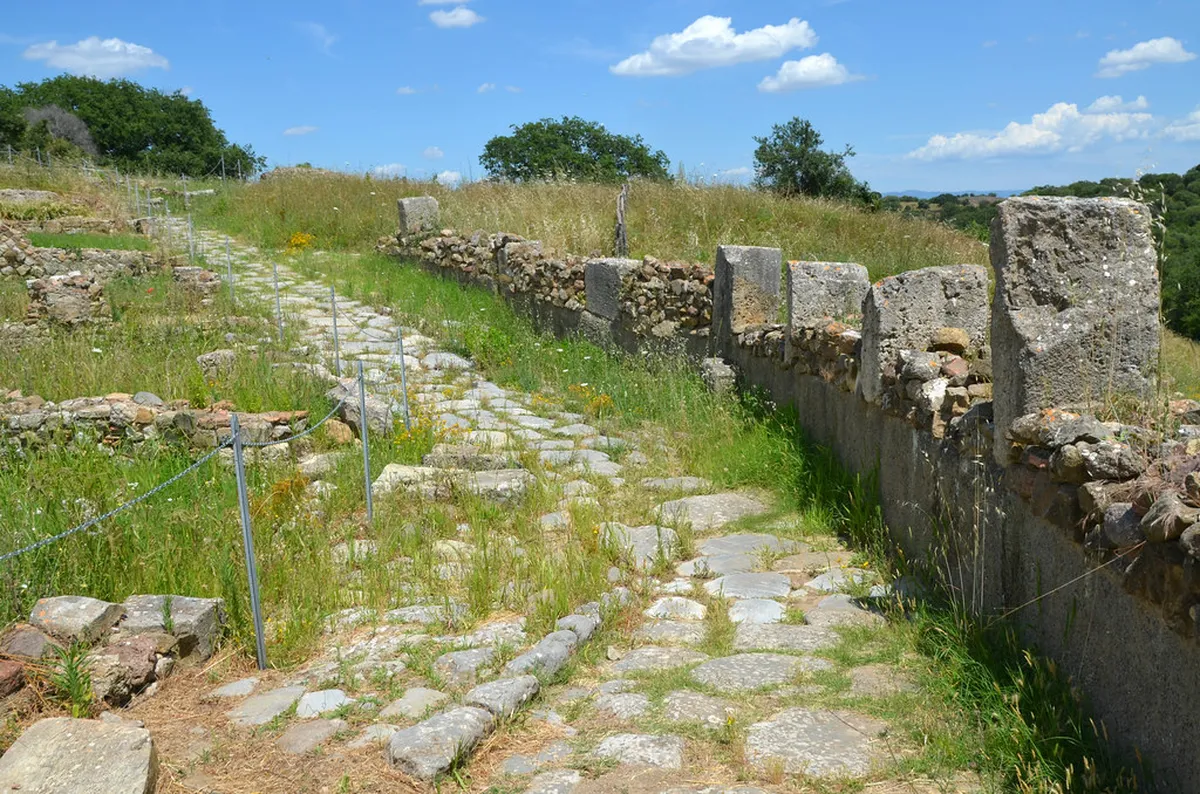
Table of Contents
Walk Perugia's Ancient Etruscan & Roman Trails in 2025
Perugia, a captivating jewel in Umbria, offers a profound journey through time. Its historical core is rich with ancient Etruscan Roman paths. Visitors in 2025 can explore these fascinating routes. Discover layers of history beneath your very feet. This guide helps you navigate Perugia's storied past. You will experience truly remarkable archaeological treasures.
Unearthing Etruscan Foundations in Perugia
For practical details and last-minute changes, use Perugia Airport.
For current hours, prices, and announcements, start with Umbria Tourism.
Perugia, a captivating Umbrian city, boasts an impressive Etruscan heritage. The ancient walls remain visible throughout the modern cityscape. They form the foundational base of many contemporary structures. These mighty walls date back to the 4th century BC. Visitors in 2025 can literally trace these powerful, enduring foundations.Walk along parts of the formidable Etruscan city walls. Porta Marzia is a magnificent, preserved gateway. It now integrates impressively into the Rocca Paolina fortress. This historic fort itself covers older Etruscan elements. Imagine daily life unfolding within these ancient defenses, bustling with activity.
The iconic Arco Etrusco, or Etruscan Arch, is another highlight. It stands proudly in Piazza Fortebraccio, dominating the space. This massive gate dates from the 3rd century BC. It remains a striking example of sophisticated Etruscan architecture. The arch clearly shows significant Roman additions later on.
Don't miss the intriguing Pozzo Etrusco, an ancient well. This engineering marvel once provided crucial water to the city. You can visit this remarkable well near Piazza Danti. Its impressive construction showcases Etruscan ingenuity perfectly. Entry costs around €3-€5 per person in 2025, providing great value. It typically operates daily from 10 AM to 1 PM and 2:30 PM to 5 PM, though seasonal hours may vary slightly.
Another fascinating Etruscan site is the Ipogeo dei Volumni. This elaborate underground tomb complex lies just outside the city center. It offers incredible insights into Etruscan burial practices. You can reach it easily by public bus or a short taxi ride. Entry is usually €6-€8 per person. Allow about 1-1.5 hours for a thorough visit.
Consider a specialized guided tour for deeper insights. Many local guides possess extensive knowledge of Etruscan history. They reveal hidden details and ancient stories compellingly. Tours often cost €20-€40 per person for small groups. Booking in advance is highly recommended, especially during peak seasons. This ensures a personalized and enriching experience, bringing the past to life.
Discovering Roman Legacies on Perugia's Trails
Roman influence profoundly transformed Etruscan Perugia. The city expanded significantly after becoming a Roman colony. New roads, grand forums, and impressive temples emerged. These ancient Roman pathways still exist today. They offer unique walking experiences for history enthusiasts in 2025.
Beneath modern Perugia lies much of Roman "Perusia Augusta." Fascinating underground tours reveal this hidden world. You can descend into ancient Roman houses. Explore old roads and bustling marketplaces. These extensive excavations are truly remarkable to witness firsthand. They provide a tangible connection to the past.
A notable Roman structure is the ancient aqueduct. It once supplied essential fresh water to the city. Parts of this impressive aqueduct remain visibly intact. Some sections are now integrated into charming urban walkways. It offers a unique Perugia ancient aqueduct walk. Look for signs near Via dell'Acquedotto for an accessible section.
The city's street layout often closely follows original Roman grids. Many main thoroughfares trace these ancient routes. Walking these paths feels like stepping back in time. Look for subtle clues embedded in the historic paving stones. History unfolds dramatically with every step you take in Perugia.
Visit the excellent National Archaeological Museum of Umbria. It houses a vast collection of Roman artifacts. Learn about daily life in Roman Perusia. The museum provides excellent historical context for your walks. Entry fees are typically €8-€10 for adults in 2025. It is conveniently located inside the former convent of San Domenico.
Explore the remnants of the Roman amphitheater. While not fully preserved, its circular outline is still visible. It stands near the beautiful Church of San Giuliana. Imagine fierce gladiator contests held in this very spot. This area offers another compelling glimpse into Roman daily life and entertainment. It is easily accessible by foot.
Essential Walking Routes for Ancient Etruscan Roman Paths Perugia
Embark on a captivating self-guided journey through history. Start your walk near the vibrant Piazza IV Novembre. This central piazza sits proudly atop ancient foundations. Explore the majestic Duomo and the iconic Fontana Maggiore. Their presence links directly to ancient city planning and vital water sources.
From Piazza IV Novembre, head towards the charming Via Maestà delle Volte. This atmospheric alley features beautifully preserved medieval buildings. Yet, its underlying path likely follows original Roman roads. Observe the old stone walls carefully. They whisper tales of centuries past and offer fantastic photographic opportunities.
Continue your exploration towards the Etruscan Arch. Then, venture down through Via Appia. This street name itself strongly hints at its Roman heritage. Discover small, hidden courtyards tucked away. Each corner reveals a new secret layer of Perugia's rich history. Pay attention to the subtle architectural changes.
For a particularly scenic route, consider the area around Porta Sole. This elevated spot offers truly panoramic views. It also reveals well-preserved sections of the ancient city walls. Imagine Etruscan guards standing watch here centuries ago. The vistas are truly breathtaking and inspire quiet reflection. This spot is perfect for sunset viewing.
Another key area for historical walking is Borgo XX Giugno. This district lies just outside the main ancient city walls. Yet, it contains important Roman sites. Discover ancient burial grounds and remnants of grand villas. This area offers a quieter, more reflective walk. It provides a different perspective on Roman expansion.
These ancient Etruscan Roman paths Perugia are best enjoyed intimately on foot. Wear incredibly comfortable shoes for the often steep and cobbled streets. Allow ample time for spontaneous stops and photographs. Many routes are cleverly interconnected. Create your own unforgettable historical adventure in 2025. You might discover some unexpected, personal treasures.
Practical Tips for Exploring Perugia's Historic Walks
⭐ Recommendation: Don't miss out on amazing Perugia tours - book now!
Planning your historical walk is absolutely crucial for maximum enjoyment. Spring (April-June) and Fall (September-October) offer ideal conditions. The weather is consistently mild and pleasantly comfortable. Avoid the intense peak summer heat in July and August. These seasons also bring significantly larger crowds and higher prices for accommodations in 2025. Consider visiting in shoulder season for a more relaxed experience.
Good quality, sturdy walking shoes are an absolute necessity. Perugia's charming streets are often steep, uneven, and covered in ancient cobbles. Comfortable footwear prevents discomfort, fatigue, and potential slips. Bring plenty of water, especially during warmer months. Sun protection, like a hat and sunscreen, is also highly recommended for sunny days. Consider a light backpack for carrying essentials.
Consider joining Perugia historical walking tours. Expert local guides offer invaluable insights and historical context. They bring the ancient stones and their intricate stories vividly to life. Tours often last 2-3 hours. Prices typically range from €25 to €50 per person, depending on group size. Group tours generally offer a more cost-effective option than private guides.
Many archaeological sites have very specific opening hours. Always check schedules online before your visit to avoid disappointment. Some underground areas might require advance reservations. Book your spots promptly, especially for popular attractions. Websites like perugiaunderground.it provide updated information. Always confirm prices and times for 2025, as they can sometimes change.
Budget about €5-€15 for entry fees per site, on average. Most of the captivating walks themselves are entirely free to enjoy. Factor in additional costs for refreshments and delicious meals. Perugia offers fantastic local Umbrian cuisine. Try some regional specialties like truffle dishes, local cheeses, and excellent wines along your route. Support local businesses during your trip.
Pick up a detailed, up-to-date map of Perugia. These are readily available at tourist information centers. These maps often highlight key historical sites and walking paths. They can help you navigate the city's winding, sometimes confusing streets effectively. Always keep an eye on historical signage for additional context and directions. Public transportation can assist with longer distances or particularly steep climbs, saving energy.
Maximizing Your Experience on Perugia's Ancient Paths
Perugia's ancient paths are not merely historical relics. They also offer truly incredible scenic views. The entire city sits majestically on a dramatic hilltop. This advantageous elevation provides breathtaking panoramic vistas. Enjoy sweeping views of the lush Umbrian valley and picturesque surrounding towns. This blend of history and scenery is unique.
Walk towards the enchanting Giardini Carducci for stunning outlooks. This historic garden provides expansive views stretching for miles. You can clearly see the rolling surrounding countryside. Imagine the Romans and Etruscans enjoying this same magnificent vista centuries ago. It truly connects you to the deep past. The golden hour here is particularly beautiful.
The impressive medieval Rocca Paolina structure offers unique perspectives. Explore its fascinating underground passages and ancient foundations. Then ascend to the peaceful park located above the fortress. The fort itself covers even older Etruscan and Roman elements. It blends history with high vantage points perfectly. The views from here are truly captivating and diverse.
Evening strolls along the ancient routes are utterly magical. The city lights twinkle charmingly below you. Sunsets over the vast Umbrian landscape are simply unforgettable. These moments offer a perfect blend of past contemplation and present beauty. Capture some truly beautiful photographs as the light changes. The atmosphere becomes incredibly serene and reflective.
For a deeper appreciation, read up on Perugia's rich history. Understand the Etruscan and Roman periods before your visit. This foundational knowledge greatly enriches your walking experience. It helps you visualize ancient life more vividly. Connect with the compelling stories embedded deeply in the ancient stones. Local libraries or online resources can assist.
Discovering Perugia's Etruscan Roman walking routes is a profound sensory experience. It engages sight, sound, and historical imagination fully. History feels incredibly tangible and immediate here. Plan your unforgettable visit for 2025. Immerse yourself completely in this timeless Italian charm and its remarkable historical depth.
Preserving Ancient Paths: Sustainable Tourism in Perugia
Exploring Perugia's ancient routes carries a responsibility. Sustainable tourism helps preserve these historical treasures. Respect the archaeological sites and their delicate nature. Avoid touching fragile structures or removing artifacts. Your mindful presence ensures their future.
Support local businesses during your visit. Dine at family-run trattorias. Purchase souvenirs from artisan shops. This injects money into the local economy. It helps maintain the community surrounding these paths. Choose accommodations that prioritize eco-friendly practices.
Dispose of your waste properly while walking. Use designated bins or carry out your trash. Protect the natural beauty of the Umbrian landscape. Keep Perugia clean for future generations. Lead by example for fellow travelers.
Consider traveling during off-peak seasons. This helps distribute tourist impact evenly. Fewer crowds mean less strain on infrastructure. You also enjoy a more serene experience. Shoulder seasons offer pleasant weather and reduced costs.
Learn a few basic Italian phrases. Engaging with locals enriches your trip. It shows respect for their culture. "Grazie" (thank you) and "Buongiorno" (good day) go a long way. These small efforts enhance your overall journey.
By following these simple guidelines, you contribute positively. You help preserve the ancient Etruscan Roman paths Perugia offers. Enjoy a truly authentic and responsible travel experience. Your actions make a difference for this historic city. Plan your ethical adventure in 2025.
Frequently Asked Questions
What are the best starting points for exploring Ancient Etruscan Roman paths in Perugia?
Begin your exploration at Piazza IV Novembre. This central square is built over ancient foundations. From here, you can easily reach the Etruscan Arch. Also, the National Archaeological Museum is nearby. These are excellent starting points for your historical walk.
Are Perugia's Etruscan and Roman sites accessible for all visitors?
Many outdoor ancient paths are generally accessible. However, Perugia has steep hills and cobbled streets. Some underground sites might have stairs. Always check specific site accessibility before visiting. Plan routes that suit your mobility.
How much time should I dedicate to walking Perugia's ancient routes?
Dedicate at least half a day to a full day. This allows for thorough exploration. You can visit key Etruscan and Roman sites. It also leaves time to enjoy the views. Pace yourself and wear comfortable shoes.
Can I find guided tours specifically for Etruscan and Roman history in Perugia?
Yes, many local tour operators offer specialized tours. These focus on Perugia's Etruscan and Roman past. Guides provide expert commentary and historical context. You can book private or group tours. Inquire at the Perugia tourist office for recommendations.
What should I wear and bring for walking Perugia's ancient paths?
Wear comfortable, sturdy walking shoes for cobbled streets. Bring water, especially in warmer months. A hat and sunscreen are also advisable. Consider a small backpack for essentials. Dress in layers for changing weather conditions in 2025.
Perugia's ancient Etruscan Roman paths offer an unforgettable journey. They weave through layers of history and profound culture. Visitors in 2025 will discover unique archaeological wonders. Plan your trip to walk in the footsteps of ancients. This experience provides deep connections to Italy's past. Explore these timeless routes and create lasting memories. Your historical adventure truly awaits.
Key Takeaways
- Perugia's core reveals visible Etruscan and Roman history everywhere.
- Wear comfortable, sturdy shoes for navigating steep, cobbled ancient paths.
- Combine historical walks with Perugia's stunning panoramic hilltop views.
- Consider local guided tours for deeper insights into the city's ancient past.
Related reads: cityscenicwalks.com, scenic walks in perugia, best scenic walks perugia.