
History of Perugia City Walls Walk: A 2025 Guide
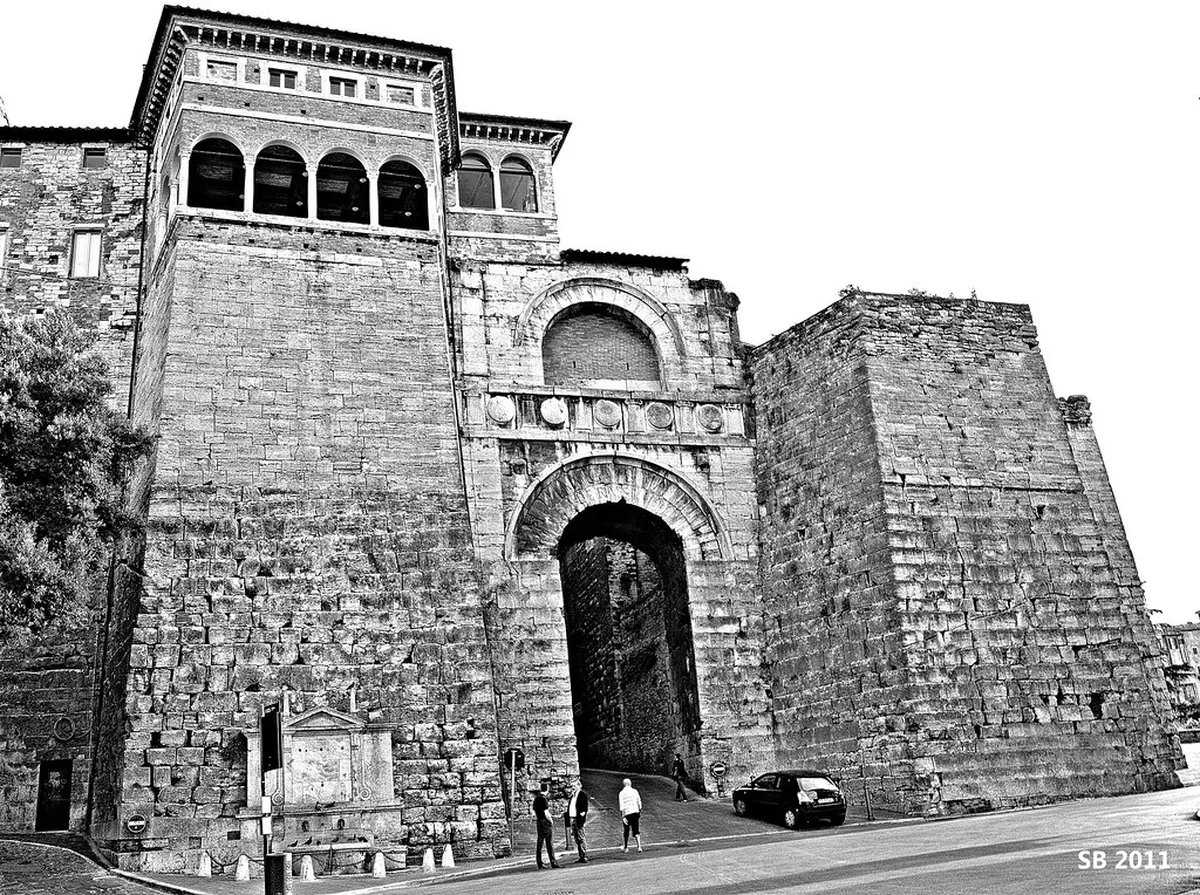
Table of Contents
Journey Through Time: Perugia's Ancient City Walls Walk
Perugia, a hilltop gem in Umbria, boasts an incredible past. Its ancient city walls tell stories spanning millennia. Embark on the captivating Perugia city walls walk. This journey explores history, architecture, and breathtaking views in 2025.
Etruscan Origins: Perugia's First Defenses
Perugia's defensive legacy began with the powerful Etruscans. They built the first impressive walls around the 4th century BCE. These massive stone blocks, known as cyclopean masonry, still stand proudly. You can see these ancient foundations at various points.
The Etruscan walls originally encompassed a smaller city core. They protected a thriving ancient city-state. Iconic gates, like the famous Arco Etrusco (or Arch of Augustus), remain significant landmarks. This arch offers a direct link to Etruscan engineering prowess.
Walking these sections connects you intimately to ancient history. Imagine Etruscan citizens moving through these very portals daily. The sheer scale and precision of the stones are truly remarkable. These walls represent a foundational layer of Perugia's identity. Consider exploring the ancient city walls walking route for deeper insights into these fascinating structures.
Look closely for distinct building techniques. The dry-stone construction shows incredible skill. These early defenses established Perugia as a formidable power. They laid the groundwork for future expansions and fortifications.
Roman & Medieval Expansion of the Walls
The Romans later conquered Perugia in 40 BCE after a siege. They often integrated existing Etruscan structures into their own defenses. Roman influence typically meant repurposing rather than complete rebuilding. Evidence of their robust engineering can still be found.
During the medieval period, Perugia experienced significant growth and prosperity. The city walls needed expansion to accommodate this larger population. New circuits were constructed strategically in the 13th and 14th centuries. These substantial additions protected a much broader urban footprint.
Medieval gates like Porta Marzia vividly showcase this later era. They feature distinctive arches and robust defensive towers. Walk along these sections to truly feel centuries of history beneath your feet. The visible layers of construction tell a continuous, evolving story.
This blend of styles, from Etruscan to medieval, is unique to Perugia. The walls illustrate Perugia's continuous strategic importance. It was a powerful and often rebellious city-state throughout the Middle Ages. Constant external threats necessitated strong, evolving defenses. These impressive structures truly safeguarded its citizens and wealth for centuries.
Renaissance Fortifications & Modern Preservations
The Renaissance era brought further significant changes to Perugia's defenses. Papal rule, notably under Pope Paul III, saw the construction of Rocca Paolina. This massive fortress incorporated and sometimes destroyed parts of the existing walls. It was built partly to control the fiercely independent Perugians.
While some older sections of the walls were regrettably destroyed, others were strategically strengthened. New bastions and more advanced defensive techniques emerged during this period. The city's silhouette transformed dramatically once more. This era marks a significant shift in military architecture and control.
Today, the city walls serve a beautifully different purpose entirely. They offer unique pedestrian pathways and stunning, expansive viewpoints. Significant efforts now focus on preserving these invaluable historical treasures. Ongoing maintenance projects ensure their longevity for future generations to enjoy.
Many sections are now beautifully integrated into vibrant urban life. Lush parks and tranquil gardens often line parts of the ancient defenses. Walking the walls has become a cherished local and tourist activity. Consider joining Perugia's historical walking tours for expert insights in 2025.
Planning Your Perugia City Walls Walk
🌟 Local Expert Tip: Get the most out of your Perugia visit with guided tours!
Walking the historic Perugia city walls is an absolute must-do activity. The full circuit takes approximately 2 to 3 hours to complete. This timing depends on your personal pace and how often you stop to admire views. You can also choose shorter, more focused sections for a quicker experience.
Start your historical walk at an iconic landmark like Porta Sant'Angelo. This impressive medieval gate offers a grand beginning. From there, you can follow various well-marked paths along the ancient fortifications. A good quality map or a self-guided tour app will prove incredibly helpful for navigation.
The best times for this walk are generally spring (April-May) and fall (September-October). The weather during these seasons is typically pleasant and very comfortable for walking. If visiting in July or August 2025, plan your walk for early mornings or late afternoons. This helps to avoid the peak midday heat.
There is no specific entry fee for accessing the public sections of the walls. These pathways are freely open for exploration. However, access to certain historical towers, museums, or the interior of Rocca Paolina might incur a small charge. Always check with local tourist information for the most current opening times and costs. This walk offers a truly immersive and free historical experience.
Frequently Asked Questions
How long does the full Perugia city walls walk typically take?
The complete Perugia city walls walk usually takes between 2-3 hours. This duration varies based on your walking pace. It also depends on how many times you stop for photos or views. You can explore shorter sections if time is limited. Many visitors enjoy combining it with other scenic walks in Perugia.
What are some recommended starting points for exploring Perugia's walls?
Excellent starting points include the imposing Porta Sant'Angelo or the historic Porta Marzia. Both locations offer convenient access to significant historical sections. You can easily connect to other parts of the expansive route. Consult a detailed local map for the most direct and scenic pathways.
Is there a cost to walk along Perugia's ancient city walls?
No, most sections of the Perugia city walls are entirely free to access. The public pathways are open for everyone to enjoy. However, certain specific historical towers, museums, or the interior of the Rocca Paolina fortress might have an entry fee. Always check current local information for 2025 details to plan your budget accordingly.
What should I wear for the Perugia city walls walk?
Wear comfortable and sturdy walking shoes, as some sections have uneven terrain. Layers of clothing are advisable, especially during spring and fall. A hat and sunscreen are recommended for sunny days. Bring water to stay hydrated during your historical exploration.
The History of Perugia city walls walk offers an unparalleled journey. It seamlessly spans Etruscan times through the vibrant Renaissance. Every ancient stone tells a profound part of the city's enduring story. Discover centuries of ingenious defenses and enjoy stunning panoramic views of Umbria.
Plan your visit to this remarkable Umbrian hilltop city today. Experience history beneath your feet firsthand in 2025. This immersive walk provides unforgettable cultural insights. It is truly a highlight of any trip to the captivating city of Perugia. Come and explore its layers of history.
Key Takeaways
- Explore millennia of history on Perugia's ancient city walls.
- Combine ancient defensive architecture with stunning Umbrian views.
- Plan your walk for spring or fall for the most pleasant weather conditions.