
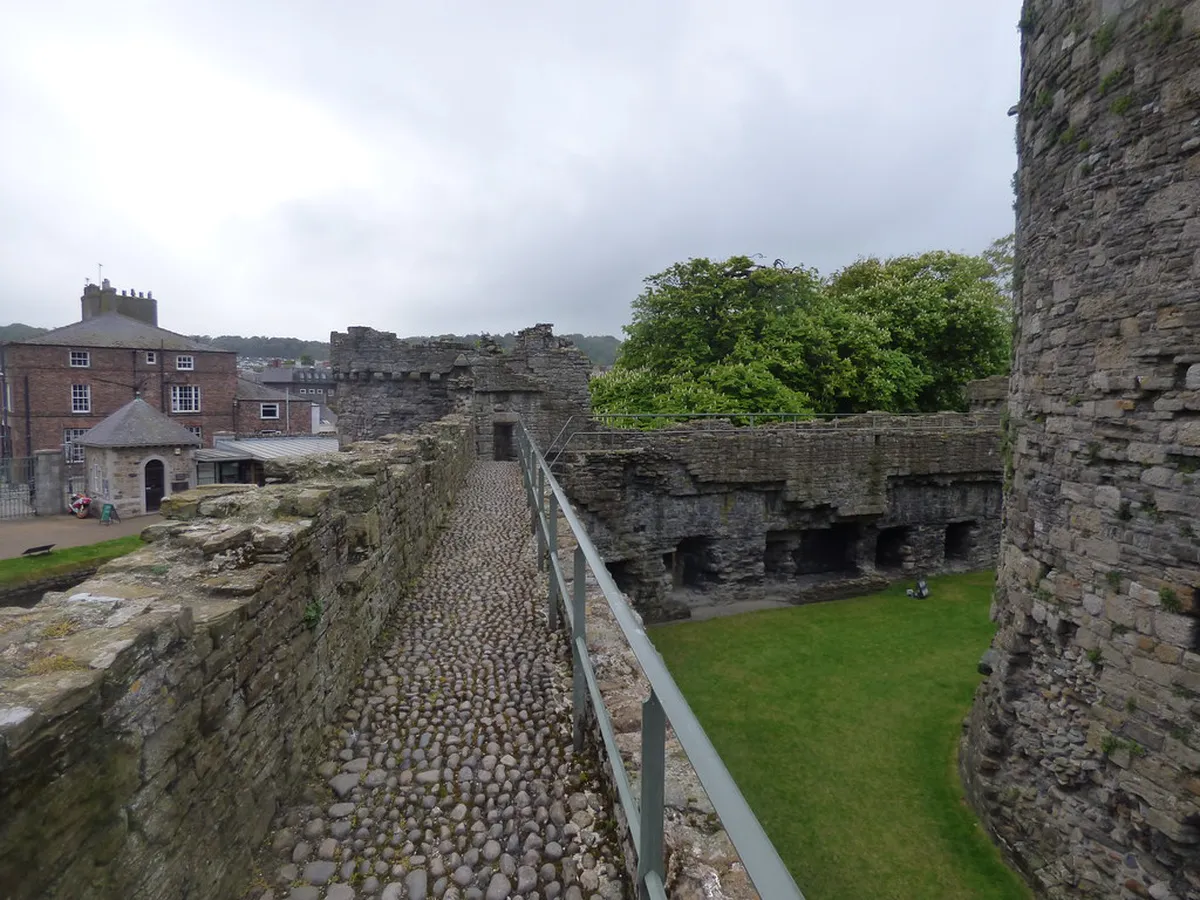
The History of the Medieval Wall Walk in Évora
Évora is a city full of ancient stories and stone. You will love the history of the medieval wall walk in Évora. These walls protect the historic center of this Portuguese gem. Walking along them offers a unique view of the past.
Roman Roots of the Fortifications
To plan your trip, review Évora travel info.
To plan your trip, review Évora travel info.
The walls did not start in the medieval era. Romans built the first defensive ring in the third century. These early structures protected the growing city from invaders. You can still see Roman stones in some sections today.The Roman wall is known as the Cerca Velha. It was much smaller than the later medieval version. You can find parts of it near the cathedral. These ruins show how the city has grown over time.
The Romans used a specific style of masonry for defense. They stacked large granite blocks without using much mortar. This technique helped the walls survive for many centuries. Look for the distinct Roman archways near the city center.
History of the Medieval Wall Walk in Évora
King Alfonso IV ordered new walls in the 14th century. This expanded the city's defenses to include newer neighborhoods. The project took many years to finish completely. Builders used local stone to ensure the walls stayed strong.
The medieval walls walking path Évora follows this outer ring. These walls are much larger than the original Roman circle. They feature tall towers and several massive gates for entry. Each gate served a specific purpose for city trade.
The construction phase lasted through several royal reigns. King Fernando I also contributed to the wall's final design. The walls were meant to stop Spanish invasions from the east. They successfully protected the city during several major conflicts.
The walls are roughly six kilometers in total length. They enclose a space of about 100 hectares in size. This area became the heart of Portuguese royal life. Many palaces were built inside these safe stone boundaries.
Strategic Gates and Defensive Towers
The wall features several impressive gates like Porta de Alconchel. This gate remains one of the best-preserved entry points. Guards once stood here to check everyone entering the city. It shows the military importance of the medieval structure.
Towers were built at regular intervals along the entire wall. These towers allowed soldiers to spot enemies from far away. They also provided extra strength to the stone curtain walls. Many of these towers still stand tall in 2026.
The scenic gates on the Évora medieval wall path are iconic. Porta da Lagoa is another famous entrance to the city. It sits on the northern side of the fortifications. This gate allowed farmers to bring their goods to market.
The towers often have square or semi-circular shapes. This design helped eliminate blind spots for the city guards. You can see these different styles as you walk. Each tower tells a story of medieval military engineering.
Walking the Perimeter in 2026
💡 Pro Tip: Book your Lisbon adventures in advance through Viator for the best deals!
Today, you can enjoy a scenic walk around the walls. The path takes you through beautiful parks and quiet streets. It is one of the top scenic walks in Évora 2026. The route is mostly flat and easy to follow.
Most visitors spend about two hours completing the full loop. You will see gardens that sit right against the stone. These green spaces offer shade during the hot summer months. Bring water and wear comfortable shoes for the journey.
Start your walk at the Public Garden for the best experience. This park offers a peaceful entry to the wall path. You will find signs explaining the history of each section. These markers are available in both Portuguese and English.
Learn how to walk the medieval walls of Évora before you go. The walk is perfect for families with young children. Many parts of the path are wide and very safe. You can stop at local cafes along the route.
Preserving Évora's Ancient Heritage
UNESCO recognized the historic center of Évora in 1986. The walls played a major role in this global honor. Local authorities work hard to keep the stones in place. They want future generations to see this incredible history.
Restoration projects happen often to repair any natural wear. You might see workers cleaning the stones during your visit. This care ensures the walls remain safe for walkers. It is a vital part of Portugal's cultural legacy.
Modern urban planning respects the ancient wall line. New buildings cannot block the view of the fortifications. This keeps the city looking like a medieval museum. It is a beautiful example of balanced city growth.
Frequently Asked Questions
How long is the medieval wall walk in Évora?
The full perimeter is about six kilometers long. Most visitors take two to three hours to complete the walk. This allows time for photos and visiting the main gates. The path is flat and very easy to navigate.
Is the Évora wall walk free to visit?
Yes, walking the perimeter of the walls is entirely free. You can access the path from many points around the city. Some specific towers may require a small fee for entry. Most of the experience costs nothing at all.
When were the medieval walls of Évora built?
The main medieval walls were built during the 14th century. King Alfonso IV started the project to protect the expanding city. Earlier Roman walls existed but were much smaller in size. The walls have stood for over 600 years.
Can you walk on top of the walls?
Most of the walk takes place alongside the walls rather than on top. Some specific sections allow you to climb up for views. These areas are clearly marked for safety and preservation. Always follow local signs during your 2026 visit.
The history of the medieval wall walk in Évora is truly fascinating. These stones tell the story of Roman and medieval Portugal. Plan your visit to see these ancient defenses in 2026. It is a journey you will never forget.