
Faro Coastal Walk Difficulty and Terrain Guide for 2026
Our Faro coastal walk difficulty and terrain guide helps you plan your 2026 Portugal trekking adventure. This scenic route offers stunning views of the Ria Formosa natural park and the Atlantic Ocean. You will find varied paths that suit different fitness levels and personal outdoor goals. Plan your hike carefully using our expert advice on local trail conditions and seasonal weather.
Understanding Faro Coastal Walk Difficulty Levels
For the most up-to-date details, check Faro travel info before you go.
For practical details and last-minute changes, use Faro travel info.
The Faro coastal walk difficulty and terrain guide classifies this route as a moderate physical challenge. Most walkers find the trails around Faro to be quite manageable and mostly very flat. You will not encounter steep hills or dangerous cliffs along this specific coastal hiking route. This makes the path ideal for casual hikers and nature lovers visiting southern Portugal in 2026.While the elevation is low, the length of the Faro coastal path guide can be tiring. Walking for several hours under the hot Algarve sun requires a basic level of fitness. You should be comfortable walking at least ten kilometers on mostly level but uneven ground. Older travelers and families with children often enjoy the shorter sections near the city center.
Heat is the primary factor that increases the difficulty of this beautiful coastal walking trail. Temperatures in Faro often exceed thirty degrees Celsius during the peak summer months of July. We recommend starting your walk very early in the morning to avoid the intense midday heat. Always listen to your body and take frequent breaks in any available shade you find.
The total distance you choose to walk will ultimately determine your daily physical exertion level. Many visitors choose to walk only small sections of the trail to enjoy the scenery. This flexibility allows you to customize the difficulty based on your own health and energy. You can easily turn back at any point if the trail feels too demanding today.
Analyzing Terrain Types on the Faro Coastal Path
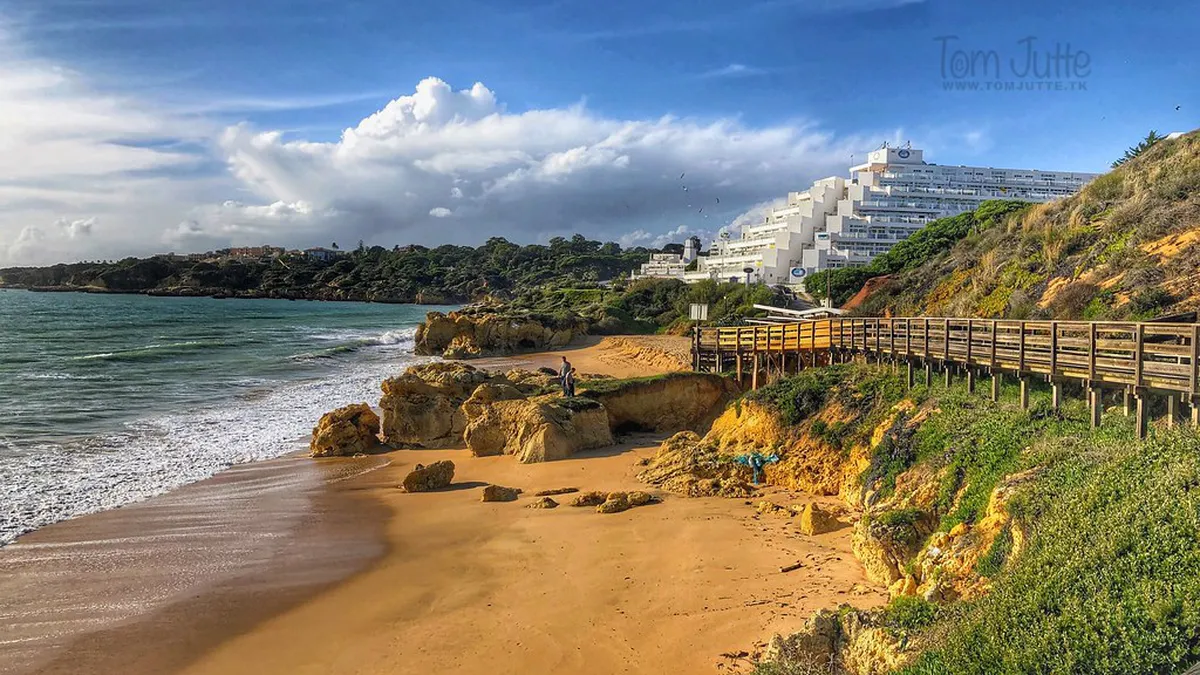
The terrain along the Faro coast is diverse and changes frequently as you move westward. You will primarily encounter long stretches of wooden boardwalks that protect the delicate marshland ecosystem. These boardwalks provide a very stable and flat surface for easy walking and birdwatching activities. They are perfect for maintaining a steady pace while enjoying the Ria Formosa nature trails during your visit.
As you move away from the boardwalks, the terrain shifts to hard-packed dirt and gravel tracks. These paths are generally firm but can become dusty during the dry summer months in Portugal. Watch your step for small stones or occasional potholes that may appear after heavy winter rains. These sections require slightly more focus on your footing than the smooth wooden boardwalk areas.
Some parts of the coastal walk require you to cross sections of soft and deep sand. Walking on loose sand is significantly more difficult and requires more leg strength and endurance. These sandy areas are most common near the beach entrances and the dunes of Faro. We suggest slowing your pace when you reach these sections to save your physical energy.
- Wooden boardwalks for stable and easy walking surfaces.
- Hard-packed dirt tracks through the local salt pans.
- Soft sand paths near the beach and dune areas.
- Gravel trails that require sturdy footwear for better grip.
Essential Gear for Faro Coastal Hiking Success
Choosing the right gear is essential for navigating the varied terrain of the Faro coastline. We recommend wearing lightweight and breathable hiking shoes with a very good rubber grip. Avoid wearing flip-flops or thin sandals as they offer no support on the sandy sections. Proper footwear will prevent blisters and keep your feet comfortable during the long coastal walk.
Sun protection is another critical requirement for anyone tackling the Faro coastal walk difficulty and terrain guide. There is very little natural shade along the marshlands and salt pans of the Ria Formosa. You must wear a wide-brimmed hat and apply high-factor sunscreen before you begin your journey. Polarized sunglasses will also help protect your eyes from the bright glare of the Atlantic Ocean.
Hydration is the most important safety factor when walking in the warm climate of southern Portugal. Carry at least two liters of fresh water per person for a half-day coastal hike. There are very few places to refill your water bottle once you leave the main city. A small backpack will help you carry your water and snacks comfortably while walking.
Consider bringing a pair of lightweight binoculars to enhance your experience along the scenic coastal path. The Ria Formosa is home to many rare bird species that are best seen from distance. A light windbreaker jacket is also useful for the cooler breezes that often blow off the ocean. These simple items will ensure you are prepared for any changes in the local weather.
Best Sections of the Faro Coastal Path for Beginners
🎯 Insider Tip: Discover the best Faro experiences with Viator Tours!
Beginners should start their journey at the Ludo hiking trail located near the Faro airport entrance. This section features wide and flat paths that are very easy for most people to navigate. You can enjoy beautiful views of the lagoons without having to climb any difficult hills. This area is also very popular for cycling and jogging due to its excellent terrain.
The boardwalks near Quinta do Lago offer another fantastic option for those seeking a gentle walk. These structures are well-maintained and provide a very smooth surface for walkers of all ages. You can walk for several kilometers while remaining completely elevated above the muddy marshland ground. This section is particularly beautiful during the golden hour just before the sun sets.
Short loops around the salt pans provide a great introduction to the local Faro coastal environment. These paths are usually firm and offer many opportunities to stop and take scenic photos. You can easily adjust the length of your walk by choosing different connecting paths in this area. This flexibility makes it a favorite spot for visitors with limited time or energy.
Many beginners appreciate the proximity of these trails to local cafes and public transport links. You can enjoy a refreshing drink in Faro after completing a short and rewarding coastal trek. Starting with these easier sections will help you build confidence for longer hikes in the future. Always check the best season for Faro coastal path hiking before you plan your trip.
Safety Tips for Navigating Faro Coastal Terrain
Safety should always be your top priority when exploring the diverse terrain of the Algarve coast. Always tell someone your planned route and expected return time before you start your walk. Carry a fully charged mobile phone and a portable power bank for emergency communication needs. Staying on the marked trails is vital for your safety and the local environment.
Be mindful of the tide times if you plan to walk along the beach sections. High tides can sometimes cut off certain paths and force you to walk through deep sand. You should check the local tide charts online before heading out toward the ocean shore. Following the coastal walking safety tips for Faro visitors will help you avoid these common issues.
The weather in Faro can change quickly even during the sunny months of the spring. Watch for dark clouds or increasing wind speeds that might indicate a coming rain storm. If you hear thunder, seek shelter immediately and move away from open marshland areas. Being aware of your surroundings is the best way to stay safe while hiking.
Keep a safe distance from the edges of the salt pans and the marshland channels. The ground near the water can be very soft and slippery after the high tide. Wear bright clothing so that other trail users and emergency services can see you easily. These simple precautions will ensure your 2026 Faro coastal walk is both safe and enjoyable.
Frequently Asked Questions
Is the Faro coastal walk suitable for children?
The Faro coastal path is generally flat and safe for most active children to enjoy. The wooden boardwalks are particularly easy for families to navigate with strollers or small kids. We recommend choosing shorter loops and bringing plenty of snacks to keep everyone happy during the trek.
What is the most difficult part of the Faro coastal path?
The soft sand sections found near the beach are the most physically demanding trail parts. Walking through deep sand requires more effort and can quickly tire out your leg muscles. Most other parts of the trail consist of flat boardwalks or firm dirt tracks which are much easier.
Do I need hiking boots for the Faro coastal trails?
Lightweight hiking shoes or sturdy sneakers are usually enough for these specific local coastal trails. You do not need heavy mountaineering boots because the terrain is mostly flat and even. Ensure your footwear has a good grip to handle the occasional gravel or sandy patches safely.
The Faro coastal walk difficulty and terrain guide shows that this route is accessible to many. You can enjoy stunning nature and fresh ocean air without needing advanced hiking skills. Remember to wear proper shoes and bring plenty of water for your 2026 Algarve trip. Start planning your scenic walk today to experience the natural beauty of southern Portugal.