
Accessibility of Walking Paths at Guimarães Castle
Guimarães Castle stands as a proud symbol of Portugal's birth. Many visitors wonder about the accessibility of walking paths at Guimarães Castle. This historic site features a mix of rugged stone and modern paved trails. Planning your visit helps ensure a smooth experience for everyone in 2026.
Surface Conditions and Terrain Overview
To plan your trip, review Câmara Municipal de Guimarães.
For current hours, prices, and announcements, start with Visit Guimarães.
The ground around the castle consists of uneven granite stones. Most paths feature traditional Portuguese pavement or natural dirt trails. These surfaces can be slippery when it rains during winter. Wear sturdy shoes to maintain your balance on these ancient routes.Some areas around the outer walls offer smoother walking conditions. The lower gardens provide wider paths that are easier to navigate. These sections work well for families with strollers or light wheelchairs. You can enjoy great views without climbing steep stairs.
Elevation changes are common throughout the castle grounds. The main entrance requires walking up a gentle but steady incline. Visitors should take frequent breaks to admire the surrounding landscape. This approach makes the journey much more manageable for most people.
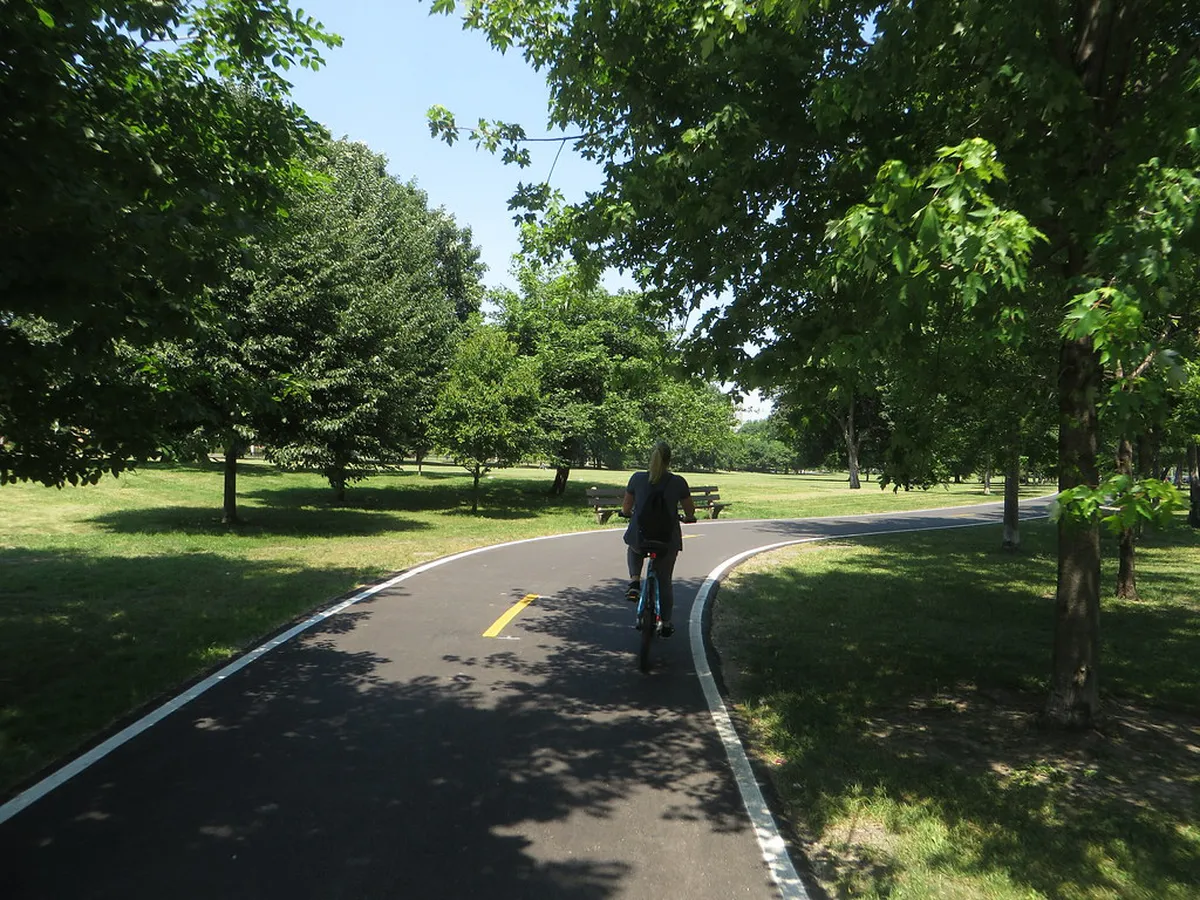
The surrounding park offers several alternative routes for exploration. Many of these paths are wider and flatter than the castle interior. They allow visitors to enjoy the medieval atmosphere at a slower pace. You can find many quiet spots away from the main tourist groups.
Local authorities maintain these paths to ensure safety for all guests. They regularly check for loose stones or hazardous areas near the cliffs. This maintenance helps preserve the site for future generations to enjoy. Always follow the marked signs to stay on the safest possible routes.
Navigating the Main Castle Entrances
Reaching the castle from the city center involves some uphill walking. The most direct route follows narrow streets with cobblestone surfaces. Consider using the walking route from the city center for better views. This path is scenic but requires a moderate fitness level.
Taxis and ride-shares can drop you near the upper entrance. This option minimizes the uphill climb for visitors with mobility concerns. The drop-off point is close to the Palace of the Dukes. From there, the walk to the castle gate is relatively flat.
The castle gates themselves are wide enough for most visitors. However, the internal courtyard contains large, irregular stones. These can be difficult for manual wheelchair users to cross alone. Having a companion helps when crossing these historic stone sections.
Signage around the entrance provides clear directions for all visitors. You can find maps showing the most accessible routes through the grounds. These maps highlight where stairs are located to help you plan. Knowing the layout ahead of time reduces stress during your visit.
Entry fees are affordable for most travelers visiting Guimarães in 2026. Discounts are often available for seniors and visitors with disabilities. Keep your ticket handy as you move between different historic sites. The staff is helpful and can provide tips on path conditions.
Accessing the Castle Walls and Towers
Climbing the castle walls remains a challenge for many visitors. The stairs are narrow, steep, and made of uneven stone. There are no elevators available inside the medieval structure. This part of the site is not accessible for wheelchairs.
Handrails are present in some sections of the wall walks. They provide extra stability as you climb the ancient steps. Take your time and watch your footing on every step. The views from the top are worth the effort for those who can climb.
If you cannot climb, stay on the lower ground levels. You can still see the impressive towers from the grassy fields. Many people find the best photo spots around the walls are at ground level. These areas offer great perspectives of the massive stone architecture.
The central keep, known as the Torre de Menagem, has many levels. Each level is connected by a series of wooden and stone stairs. Visitors with vertigo or mobility issues should exercise caution here. The interior spaces are tight and can feel crowded during peak hours.
Looking up from the courtyard provides a sense of the castle's scale. You can appreciate the defensive design without needing to climb the walls. This perspective is perfect for those who prefer staying on flat ground. It allows everyone to enjoy the history of this national monument.
Facilities and Rest Areas for Visitors
⭐ Recommendation: Don't miss out on amazing Lisbon tours - book now!
Rest areas are scattered around the castle park grounds. You will find several wooden benches under the shade of trees. These spots are perfect for resting after exploring the castle walking routes. Taking breaks helps you enjoy the historic atmosphere longer.
Public restrooms are located near the ticket office area. These facilities include accessible toilets for visitors with physical disabilities. The paths leading to the restrooms are mostly paved and flat. This makes them easy to reach from the main entrance.
A small cafe is situated between the castle and the palace. It offers a place to sit and enjoy a drink. The outdoor seating area is accessible via smooth stone paths. It provides a comfortable break before you continue your tour.
Drinking fountains are available in the park surrounding the castle. Staying hydrated is important during the warm summer months in Portugal. You can refill your water bottle at several points along the paths. This service is free for all visitors to the historic site.
Information boards are placed at key locations throughout the castle grounds. They provide historical context in both Portuguese and English languages. These boards are positioned at a height that is easy to read. They offer insights into the accessibility of walking paths at Guimarães Castle.
Frequently Asked Questions
Is Guimarães Castle wheelchair accessible?
The lower grounds and park are mostly accessible for wheelchairs. However, the castle interior and walls have many steep stairs. Manual wheelchair users may need assistance on the uneven cobblestones found in the courtyard. Focus on the exterior paths for the best experience.
Are there elevators at Guimarães Castle?
No, there are no elevators at the castle. This medieval site relies on original stone stairs for vertical access. Visitors with mobility issues should focus on the exterior paths and gardens. The nearby Palace of the Dukes offers better accessibility for those needing elevators.
What is the easiest path to the castle?
The easiest path is the paved road from the Palace of the Dukes. This route avoids the steepest hills found in the old town. It is the best choice for those wanting a shorter walk. Taxis can also drop you very close to this entrance.
Guimarães Castle offers a unique look into Portuguese history. While some areas are difficult, the grounds remain beautiful for all. Plan your visit to match your physical comfort levels in 2026. Explore more scenic walks in Guimarães during your stay.