
Discover the History of the Ancient Guimarães City Walls
Guimarães is the historic birthplace of the Portuguese nation. Its walls tell a legendary story of power and defense. You can explore the history of the ancient Guimarães city walls while walking through narrow streets. This guide helps you understand their fascinating past for your 2026 trip.
Origins of the Medieval Fortifications
For practical details and last-minute changes, use Guimarães travel info.
For current hours, prices, and announcements, start with Guimarães travel info.
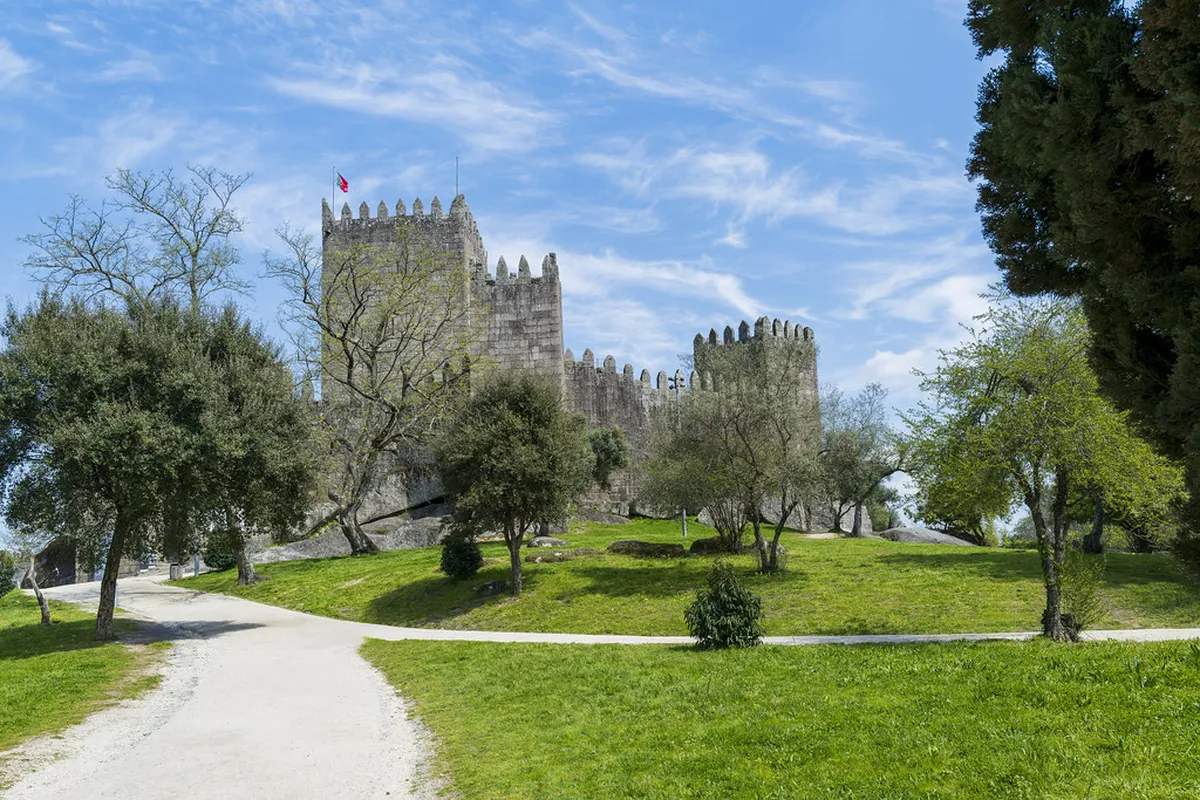
Understanding the history of the ancient Guimarães city walls starts with their 10th-century origins. Countess Mumadona Dias ordered a castle to protect the local monastery. These early structures were simple but effective for the time. They guarded the town against Viking and Moorish raids.Count Henrique expanded the defenses during the 12th century. He wanted a strong capital for his growing territory. The walls became a symbol of Portuguese independence and strength. Today, they remain a vital part of the city's identity.
Construction used local granite stones found in the northern region. Workers stacked these heavy blocks without modern tools or machinery. This labor-intensive process took many years to complete fully. You can still see the original stonework in several places today.
Evolution of the Defensive Structures
King Dinis ordered major upgrades during the 13th century. He built eight gates to control access to the city. These gates allowed soldiers to monitor everyone entering the town. The walls eventually stretched over two kilometers in total length.
The walls featured several tall towers for better visibility. Sentries watched for approaching enemies from these high vantage points. Each tower served as a strong point during military attacks. This design kept the citizens safe for many centuries.
By the 14th century, the city had grown significantly. The walls needed to protect new residential and commercial areas. Builders added extra layers of defense to meet these needs. These changes reflected the rising importance of Guimarães in Portugal.
You can learn more by following the Guimarães city wall paths around the center. These routes offer great views of the ancient stone structures. Most paths are free to access throughout the year 2026.
The History of the Ancient Guimarães City Walls Today
The history of the ancient Guimarães city walls continues to inspire locals. Much of the wall was demolished in the 19th century. The city needed more space for modern roads and buildings. However, several important sections survived this period of growth.
UNESCO recognized the historic center of Guimarães in 2001. This status ensures the protection of the remaining medieval walls. Conservation teams work hard to maintain the granite stones today. They use traditional methods to repair any damaged sections carefully.
Visitors can find the famous "Aqui Nasceu Portugal" sign here. This message is painted on one of the surviving wall towers. It translates to "Portugal was born here" in the English language. This spot is perfect for taking memorable travel photos.
Finding this landmark is easy if you know where to look. You should learn how to find the Aqui Nasceu Portugal sign before visiting. It sits near the Largo do Toural in the city center.
Practical Tips for Exploring the Walls in 2026
🌟 Local Expert Tip: Get the most out of your Lisbon visit with guided tours!
Walking along the walls is a highlight for many tourists. You can see the city from a unique perspective. Most sections are open daily from sunrise until the sun sets. Wear comfortable shoes because the old stones can be uneven.
The walk from the castle to the walls is short. It takes about ten minutes to reach the main sections. You will pass through beautiful parks and historic plazas. Take your time to enjoy the quiet atmosphere of the city.
Guided tours are available for those who want more history. Local experts explain the military significance of each tower. These tours usually cost around fifteen Euros per person in 2026. Booking in advance is recommended during the busy summer months.
For a better experience, try a self-guided walk of Guimarães city fortifications at your own pace. This allows you to stop and read the historical plaques. You can spend as much time as you like exploring.
Many people also enjoy the scenic views from the Guimarães wall walk during sunset. The golden light makes the ancient granite stones glow beautifully. It is a peaceful way to end your day of sightseeing.
- Location: Historic Center, Guimarães, Portugal
- Best Time: Early morning or late afternoon for photos
- Cost: Free to view most exterior sections
- Duration: Allow 1-2 hours for a full walk
Frequently Asked Questions
How old is the history of the ancient Guimarães city walls?
The history of the ancient Guimarães city walls began in the 10th century. Countess Mumadona Dias built the first fortifications to protect the local monastery. Most of the stone walls you see today date back to the 13th and 14th centuries.
Can you walk on top of the Guimarães city walls?
Yes, you can walk on specific sections of the medieval walls. The most popular area is near the Guimarães Castle and the Palace of the Dukes. These paths offer elevated views of the UNESCO World Heritage city center.
Where is the 'Portugal was born here' sign located?
The famous sign is located on a medieval tower at Largo do Toural. This is one of the most iconic parts of the ancient city walls. It is a short walk from the main shopping streets in the historic center.
The history of the ancient Guimarães city walls is a journey through time. These granite structures protected the nation during its earliest years. Plan your visit for 2026 to experience this medieval wonder in person. Start your adventure at the historic city center today!