
Explore the Medieval Street Walking Tour in Guimarães Portugal
Guimarães is the historic birthplace of the Portuguese nation. You can enjoy a medieval street walking tour in Guimarães Portugal during your next 2026 trip. This ancient city offers narrow paths and granite buildings that tell stories of kings. Starting your Guimarães walk at the right spot ensures you see the most beautiful sights first.
Starting Your Medieval Journey at the Castle
The Guimarães Castle stands as a powerful symbol of the nation. It was built in the 10th century to protect the local monks from invaders. You should begin your walk here to understand the city's royal roots. The castle walls offer sweeping views of the lush green hills of northern Portugal.
The Palace of the Dukes of Braganza is located right next to the ancient castle walls. It features unique brick chimneys and a large collection of tapestries and furniture. Entry fees for the palace are separate from the castle unless you buy a combined ticket. A combined ticket usually costs around €12 and offers great value for visitors.
Adult tickets for the castle alone cost about €5 for entry in 2026. The gates open daily from 10:00 AM until 6:00 PM for all tourists. Plan to spend at least one hour exploring the battlements and the central keep. This site provides a perfect introduction to the medieval atmosphere of the city.
You will find many quiet gardens surrounding the castle and palace area. These green spaces are perfect for taking photos before you head into the narrow streets. Look for the statue of King Afonso Henriques standing proudly near the palace entrance. This spot marks the transition from the upper town to the medieval center.
Walking Through the Historic Rua de Santa Maria
Rua de Santa Maria is the oldest street in the entire city. It connects the upper castle district directly to the vibrant lower town squares. This narrow path is lined with traditional houses and beautiful granite balconies. Walking here feels like stepping back into the 12th century during your visit.
As you descend, look for the intricate carvings on the wooden doors and stone walls. Many of these buildings have housed families for several generations in the historic center. You can find a professional historic center walking tour to learn about the specific families. Each house tells a unique story about the merchants who once lived here.
Local artisans often display their handmade goods in the small shops along this route. You can find traditional embroidery and pottery that make excellent souvenirs for your friends. The street is mostly pedestrian, so you do not have to worry about heavy car traffic. Take your time to enjoy the quiet charm of the ancient stonework.
The street eventually leads you toward the religious heart of the old city. You will pass the Convent of Santa Clara, which now serves as the City Hall. The architecture changes slightly as you reach the flatter areas of the medieval district. This transition is one of the most scenic parts of the entire walking route.
Exploring Largo da Oliveira and Praça de Santiago
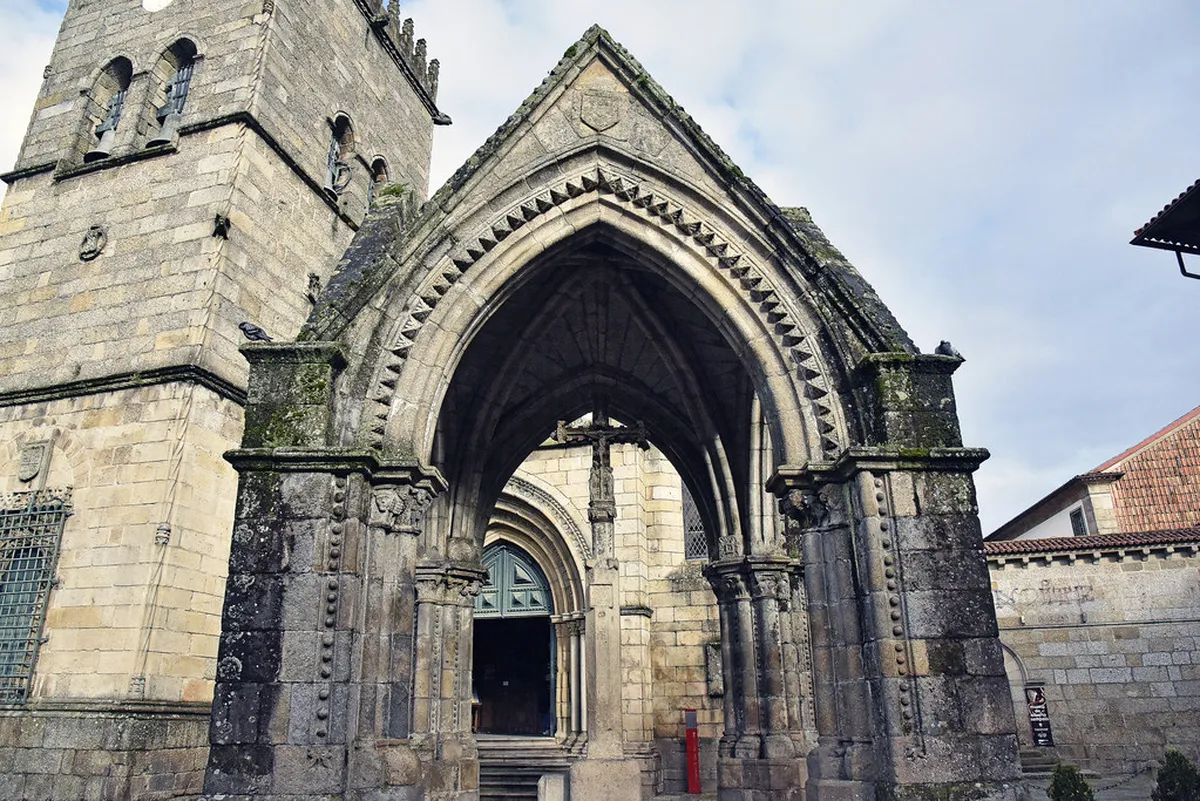
Largo da Oliveira is named after a centuries-old olive tree in the square. This plaza feels like a movie set from the past with its medieval buildings. The Padrão do Salado is a unique Gothic shrine located right in the center. It commemorates a famous 14th-century battle and serves as a major landmark.
The square is surrounded by cafes with outdoor seating for tired travelers. You should try a local pastry while watching the world go by in the plaza. The atmosphere is lively during the day but remains peaceful and romantic at night. It is the perfect place to follow a walking route through Largo da Oliveira.
Praça de Santiago is located just a few steps away from the olive tree square. It was once a gathering place for pilgrims traveling to Santiago de Compostela. The buildings here feature traditional timber framing that is very common in northern Portugal. These squares represent the social heart of the medieval street walking tour.
Many restaurants in this area serve traditional Portuguese dishes like codfish and roasted meats. Prices for a lunch menu usually range from €10 to €15 in 2026. Most establishments are open for lunch from 12:30 PM until 3:00 PM every day. Enjoying a meal here is a great way to soak in the local culture.
Practical Tips for Your 2026 Walking Tour
💡 Pro Tip: Book your Lisbon adventures in advance through Viator for the best deals!
Wear comfortable walking shoes because the cobblestones are very uneven and slippery. Bring a reusable water bottle to stay hydrated during your long afternoon walk. The hills in Guimarães can be steep when you walk toward the castle area. Proper footwear will make your medieval street walking tour much more enjoyable.
The best time to start your walk is early in the morning. You will avoid the large tour groups that often arrive by mid-day. The light is also better for photography during the early morning hours in 2026. You should check how long the walking tour is before you begin. Most people spend three to four hours seeing the main sites.
Summer temperatures in northern Portugal can reach 30°C (86°F) during July and August. Spring and fall offer much milder weather for walking through the historic streets. If it rains, the granite stones can become quite slick for pedestrians. Always check the local weather forecast before you head out for the day.
Public restrooms are available near the castle and inside some of the larger museums. Most cafes will let you use their facilities if you buy a small coffee. Carry some small coins for tips or minor purchases at the local markets. These small details will help you have a stress-free experience in Guimarães.
Frequently Asked Questions
💡 Pro Tip: Book your Lisbon adventures in advance through Viator for the best deals!
How long does a medieval street walking tour in Guimarães Portugal take?
A standard tour takes between two and four hours to complete. This time allows you to see the castle, the palace, and the main squares. If you stop for lunch or visit museums, you should plan for a full day. The pace is generally relaxed for most visitors.
Are there many hills on the walking tour in Guimarães?
Yes, the walk from the city center up to the castle involves a steady incline. The streets are paved with traditional cobblestones which can be challenging for some. However, the lower town squares are mostly flat and easy to navigate on foot. Take frequent breaks to rest.
Is the historic center of Guimarães a UNESCO World Heritage site?
Yes, the historic center was designated as a UNESCO World Heritage site in 2001. It is recognized for its exceptionally well-preserved medieval architecture and historical importance. The city is often called the cradle of Portugal because the first king was born here. It remains a top cultural destination.
What should I wear for a walking tour in Guimarães in 2026?
You should wear sturdy sneakers or hiking shoes with good grip for the stones. Dress in layers because the weather can change quickly in northern Portugal. A light jacket is useful even in the summer for the cooler morning hours. Do not forget sunscreen and a hat for protection.
Guimarães offers a truly magical experience for history lovers and casual travelers alike. A medieval street walking tour in Guimarães Portugal is the best way to see the city. Pack your camera and prepare for a journey through the ancient heart of Portugal in 2026.