
Experience the Ultimate Baixa Pombalina Historic Walk
Lisbon is a city of history and hills. The Baixa Pombalina historic walk is a top activity for visitors. This neighborhood rose from the 1755 earthquake ruins. It shows the vision of the Marquês de Pombal.
Starting at the Grand Praça do Comércio
For official information, visit Visit Lisboa.
For practical details and last-minute changes, use Câmara Municipal de Lisboa.
Your journey begins at the edge of the Tagus River. Praça do Comércio is one of Europe's largest squares. It served as the site of the royal palace for centuries. Today, it is a grand gateway for every traveler.Look at the massive statue of King José I in the center. The bronze horse and rider face the river. Bright yellow buildings line three sides of the square. These buildings now house government offices and stylish cafes.
Take a moment to enjoy the river breeze here. You can see the 25 de Abril Bridge in the distance. This spot is perfect for morning photos in 2026. Use our Praça do Comércio walking guide to find the best viewpoints.
The square feels open and powerful. It was designed to impress foreign dignitaries. You will find several museums located under the arcades. The Beer Museum is a popular stop for many tourists. It offers a look at brewing history in Portugal.
Walking the Iconic Rua Augusta Pedestrian Street
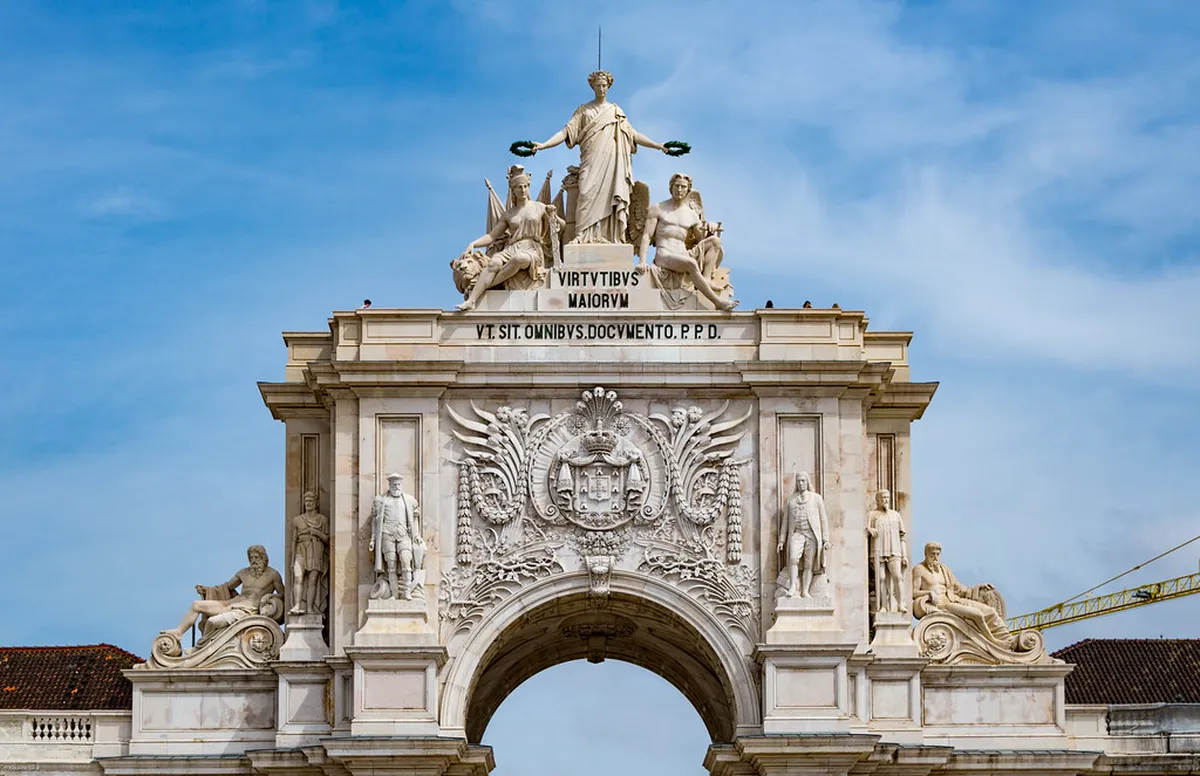
Pass under the massive Arco da Rua Augusta. This triumphal arch celebrates the city's rebirth. You can pay €3.50 to climb to the very top. The views of the grid system are spectacular from there.
Rua Augusta is the main artery of the Baixa district. It is a lively pedestrian street filled with energy. You will see many street performers and artists here. Local shops sell everything from cork bags to fine jewelry.
Look down at the ground as you walk. You are walking on the famous Calçada Portuguesa. These are small limestone and basalt stones. They form beautiful patterns across the entire city. Check out the shopping streets in Baixa for unique local souvenirs.
The street is lined with outdoor seating for restaurants. Many places offer traditional Portuguese seafood dishes. Be sure to check the prices before you sit down. Some spots are more expensive because of the prime location. It is a great place for people-watching in the afternoon.
The Engineering Marvel of Santa Justa Lift
Turn west to find a giant iron tower. The Santa Justa Lift is a masterpiece of design. It was built by Raoul Mesnier du Ponsard in 1902. He was a student of the famous Gustave Eiffel.
This vertical street connects Baixa to the higher Largo do Carmo. It stands 45 meters tall. The Neo-Gothic details are truly unique. It remains one of the most photographed spots in Lisbon. You should know where the Santa Justa Lift is located to avoid getting lost.
The queue for the lift can be quite long. A single ticket costs about €5.30 in 2026. This includes access to the viewing platform at the top. You can also use a 24-hour public transport card here. This is a much cheaper way to ride the elevator.
The view from the top is breathtaking. You can see the ruins of the Carmo Convent. The red roofs of the city stretch out before you. St. George's Castle sits proudly on the opposite hill. It is a perfect spot for sunset photos.
Reaching the Heart of Lisbon at Rossio Square
⭐ Recommendation: Don't miss out on amazing Lisbon tours - book now!
Walk north until you reach the bustling Rossio Square. This has been the city's main meeting point for centuries. Its official name is Praça Dom Pedro IV. You will see his statue on a tall column.
The ground features a famous wave-patterned stone pavement. This design mimics the movement of the ocean. It can be quite dizzying if you stare at it. This pattern has been copied in many other Portuguese cities. Follow our guide on how to walk from Baixa to Rossio for more details.
Two large bronze fountains anchor each end of the square. They were imported from France in the 19th century. The D. Maria II National Theatre sits on the north side. It occupies the site of a former palace. The architecture is grand and classical.
Stop at one of the historic cafes nearby. Cafe Nicola is a very famous choice. It has a beautiful Art Deco facade. You can also try a glass of Ginjinha nearby. This is a sweet cherry liqueur local to Lisbon. It is a tradition you must experience.
Architectural Secrets of the Baixa Pombalina Historic Walk
The Baixa district is a model of early urban planning. It was the first city to use anti-seismic designs. Engineers created a wooden frame called the 'cage.' This structure helps buildings survive future earthquakes. You are walking through a marvel of 18th-century safety.
The streets follow a strict grid pattern. This was very modern for the year 1755. Most European cities had narrow and winding streets then. The Marquês de Pombal wanted wide avenues for air and light. This design helped stop the spread of fires.
Notice how similar the buildings look to each other. They were built using standardized parts. This made the reconstruction much faster and cheaper. Even the height of the buildings was strictly controlled. This creates a very harmonious feeling as you walk.
Take a break at one of the best coffee shops in Baixa. Many are located in these historic buildings. You can see the thick stone walls inside. These walls provided strength and fire protection. It is a fascinating part of Lisbon's history.
Frequently Asked Questions
How long does the Baixa Pombalina historic walk take?
The walk usually takes about two to three hours. This includes time for photos and a quick coffee break. If you visit museums or ride the lift, it may take longer. It is a very easy and flat route for all ages.
Is the Baixa district in Lisbon hilly?
No, the Baixa district is famously flat. It sits in the valley between two large hills. This makes it the easiest neighborhood to explore on foot. It is perfect for travelers who want to avoid steep climbs. You can find more scenic walks in Lisbon 2026 on our site.
What is the best time to visit Baixa Pombalina?
Early morning is the best time to visit. The squares are quiet and the light is beautiful. Mid-afternoon can be very crowded with tour groups. Evening is also lovely when the buildings are lit up. Spring and fall offer the best walking weather.
A Baixa Pombalina historic walk is essential for any Lisbon trip. You will see the city's resilience and beauty. From grand squares to iron lifts, there is much to see. Plan your visit for 2026 to enjoy these historic sites. Start your journey at the river today!