
Papôa Peninsula Walking Route Difficulty Level and Tips
The Papôa peninsula walking route difficulty level is generally considered moderate for most active travelers. This stunning coastal path offers incredible views of the Atlantic Ocean in Peniche, Portugal. You will encounter jagged volcanic rocks and narrow pathways along this unique geological formation. Understanding the trail conditions helps you prepare for a safe and enjoyable 2026 adventure.
Evaluating the Papôa Peninsula Walking Route Difficulty Level
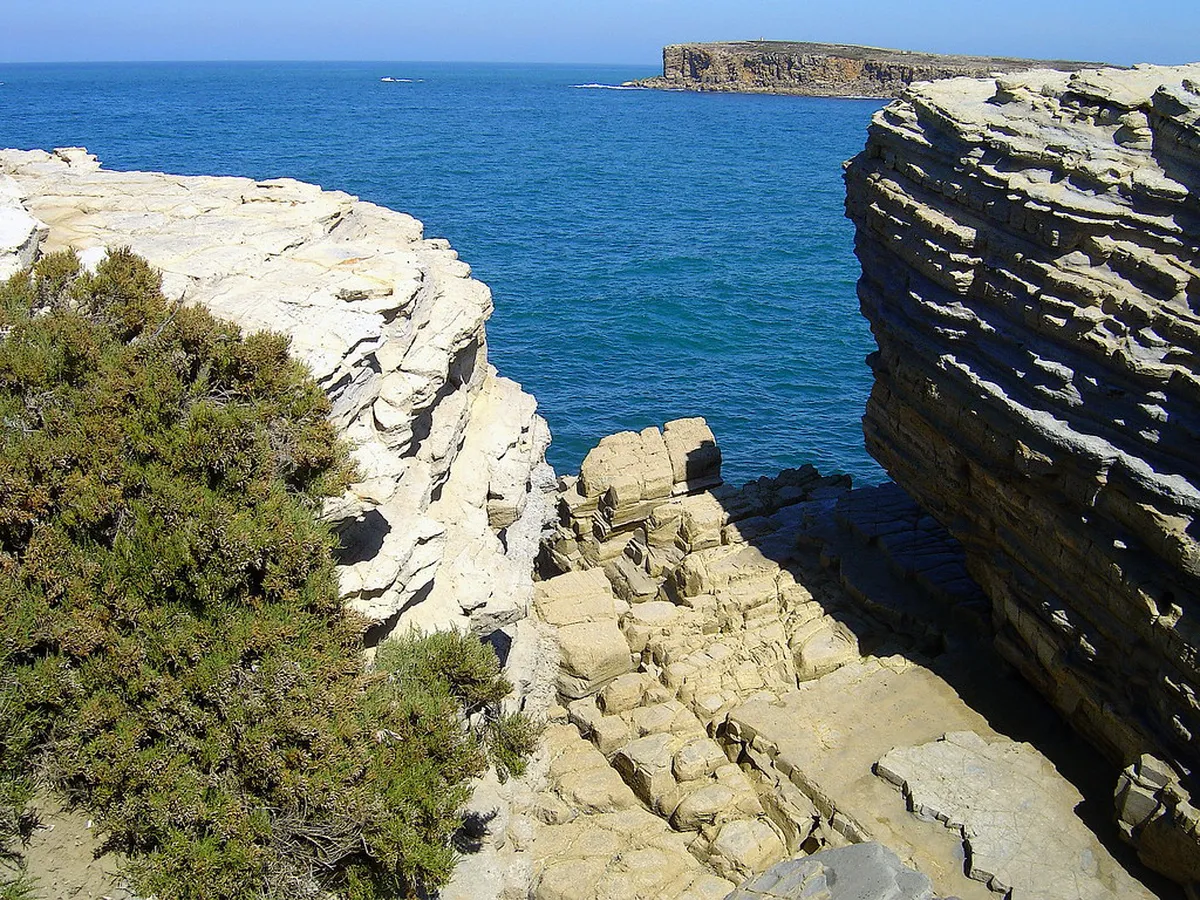
The Papôa peninsula walking route difficulty level depends largely on your balance and physical agility. While the total distance is relatively short, the terrain requires constant attention to your footing. You should expect to navigate uneven limestone surfaces and ancient volcanic basalt formations. This route is much more demanding than a standard flat city sidewalk.
Most hikers find the experience manageable if they take their time and wear proper shoes. The path includes several sections with natural steps and narrow ridges above the crashing waves. Elevation changes are frequent but rarely exceed a few meters at a single time. This makes the trail a perfect choice for those seeking scenic walks in Peniche during their stay.
Wind plays a significant role in the perceived difficulty of this coastal trek. Strong Atlantic gusts can make narrow sections feel more challenging than they actually are. Beginners should maintain a slow pace to ensure they remain stable on the rocky ground. Experienced hikers will enjoy the technical nature of the path despite its short overall length.
It is important to note that the trail is not wheelchair accessible or stroller friendly. The natural landscape remains largely untouched to preserve its geological significance and beauty. Families with older children can enjoy the walk if they provide close supervision. Always assess your personal fitness level before heading out onto the rocky peninsula.
Terrain Challenges on Papôa Peninsula Hiking Trails
The Papôa peninsula hiking trails feature some of the most unique geology in Portugal. You will walk over sharp volcanic rocks that have been shaped by centuries of erosion. These surfaces can be abrasive and require sturdy footwear to protect your feet. Some areas may have loose pebbles that increase the risk of slipping.
Narrow ridges are a defining characteristic of the Papôa peninsula walking route difficulty level. In certain spots, the path narrows to less than one meter in width. You will have the ocean on both sides as you move toward the tip. This creates a thrilling experience but requires a steady head for heights and balance.
Salt spray from the Atlantic often makes the rocks near the water's edge quite slippery. Even on sunny days, the moisture from the crashing waves can create slick patches. Avoid stepping on dark or mossy areas of the rock to maintain your grip. Staying on the higher, drier sections of the trail is always the safest choice.
Limestone formations add another layer of complexity to the walking surface under your feet. These rocks often contain small holes and sharp edges that can catch your shoes. Look ahead to plan your steps and avoid any deep crevices in the ground. The rugged beauty of the terrain is what makes this walk so memorable for visitors.
Essential Gear for Your 2026 Peniche Coastal Adventure
Proper footwear is the most critical item for managing the Papôa peninsula walking route difficulty level. Trail running shoes or hiking boots with aggressive tread patterns are highly recommended for grip. Avoid wearing flip-flops or smooth-soled sneakers on these jagged volcanic rocks. Good ankle support will help you navigate the uneven surfaces with much more confidence.
The coastal weather in Peniche can change rapidly even during the warm summer months. A lightweight, windproof jacket is essential for protecting yourself from the strong ocean breezes. Wear breathable layers so you can adjust your temperature as you move along the trail. Sun protection is also vital since there is no natural shade on the peninsula.
Bring a small backpack to keep your hands free for balance during the more technical sections. Carry at least one liter of water to stay hydrated during your 2026 exploration. A fully charged phone is necessary for navigation and for taking photos of the landscape. It is also wise to bring a basic first-aid kit for minor scrapes.
If you plan to visit the peninsula for photography, use a secure neck strap for your camera. The wind can be unpredictable and may catch loose items if they are not fastened. Polarized sunglasses will help reduce the glare from the ocean and improve your visibility. Having the right gear ensures you can focus on the stunning views around you.
Safety Tips for Navigating the Rugged Volcanic Cliffs
⭐ Recommendation: Don't miss out on amazing Lisbon tours - book now!
Safety should always be your top priority when exploring the Papôa peninsula walking route difficulty level. Check the local tide charts before you begin your walk near the water. High tides and large swells can occasionally wash over the lower sections of the rock. It is best to visit during low or receding tides for maximum safety.
Stay on the established paths to protect the fragile coastal environment and your own safety. Wandering too close to the cliff edges can be dangerous due to potential rock instability. The wind can also be much stronger near the edges of the peninsula. Keep a safe distance from any vertical drops into the Atlantic Ocean below.
If you are traveling with a group, ensure everyone moves at a comfortable and safe speed. This trail is generally considered safe for children who are experienced with outdoor activities. However, younger kids should always be within arm's reach of an adult at all times. Never leave children unattended near the rocky outcrops or the water.
Always tell someone your planned route and expected return time before you start your hike. While the area is popular, it is good practice to have a safety contact. If the weather turns poor or the wind becomes too strong, turn back immediately. Your safety is more important than reaching the very end of the rocky point.
Best Times to Experience the Papôa Peninsula Walk
🌟 Local Expert Tip: Get the most out of your Lisbon visit with guided tours!
Timing your visit can significantly impact the Papôa peninsula walking route difficulty level and your overall enjoyment. Early morning offers the calmest winds and the softest light for your landscape photography. You will also avoid the larger crowds that tend to arrive in the afternoon. The peaceful atmosphere at dawn makes the rugged terrain feel much more serene.
Sunset is another spectacular time to visit the peninsula for breathtaking views of the coast. The golden light highlights the textures of the volcanic rocks and the deep blue ocean. Be sure to finish your walk before it gets dark to avoid navigating rocks. You should know how to find the trailhead before the sun begins to set.
Spring and autumn provide the most comfortable temperatures for hiking in Peniche, Portugal. Summer can be quite hot, though the ocean breeze helps keep the peninsula cool. Winter brings dramatic waves but also higher winds and more frequent rain showers. Check the local forecast in 2026 to choose a day with clear visibility.
Frequently Asked Questions
Is the Papôa peninsula walking route suitable for beginners?
The Papôa peninsula walking route difficulty level is moderate, making it accessible for most beginners with good balance. You should take your time and wear sturdy shoes to navigate the rocky terrain safely. It is much more technical than a flat path but very rewarding for new hikers.
How long does it take to complete the Papôa peninsula walk?
Most visitors spend between 45 and 90 minutes exploring the peninsula at a relaxed pace. The actual walking time is short, but you will likely stop frequently for photos. Allow extra time to safely navigate the narrow and rocky sections of the trail during your visit.
Do I need professional hiking boots for this trail?
Professional boots are not strictly required, but sturdy footwear with excellent grip is essential for safety. Trail shoes or high-quality sneakers work well for the volcanic rock surfaces found here. Avoid any shoes with flat or smooth soles, as the limestone can be quite slippery when damp.
Can I walk the Papôa peninsula trail during high tide?
You can walk the upper sections during high tide, but lower areas may become inaccessible or dangerous. Large Atlantic swells can send waves over the rocks unexpectedly during peak tidal times. Checking a local tide chart before your hike is highly recommended for the best experience.
The Papôa peninsula walking route difficulty level offers a perfect balance of challenge and beauty. By wearing the right gear and following safety tips, you can enjoy this Peniche gem. Plan your 2026 visit during low tide to see the best geological features of the coast. Start your adventure today by exploring the rugged trails of the stunning Papôa peninsula.