
Guide to Understanding the Jurassic Rocks on Peniche Walks
Peniche offers a unique look into Earth's ancient past. You will enjoy understanding the Jurassic rocks on Peniche walks. These cliffs tell stories from millions of years ago. Explore the Geological route of Peniche for amazing views.
The Importance of Peniche's Geological Heritage
Peniche sits on a peninsula with rare rock layers. These layers show the Early Jurassic period clearly. Scientists from all over the world visit this site. It is a key place for geological research.
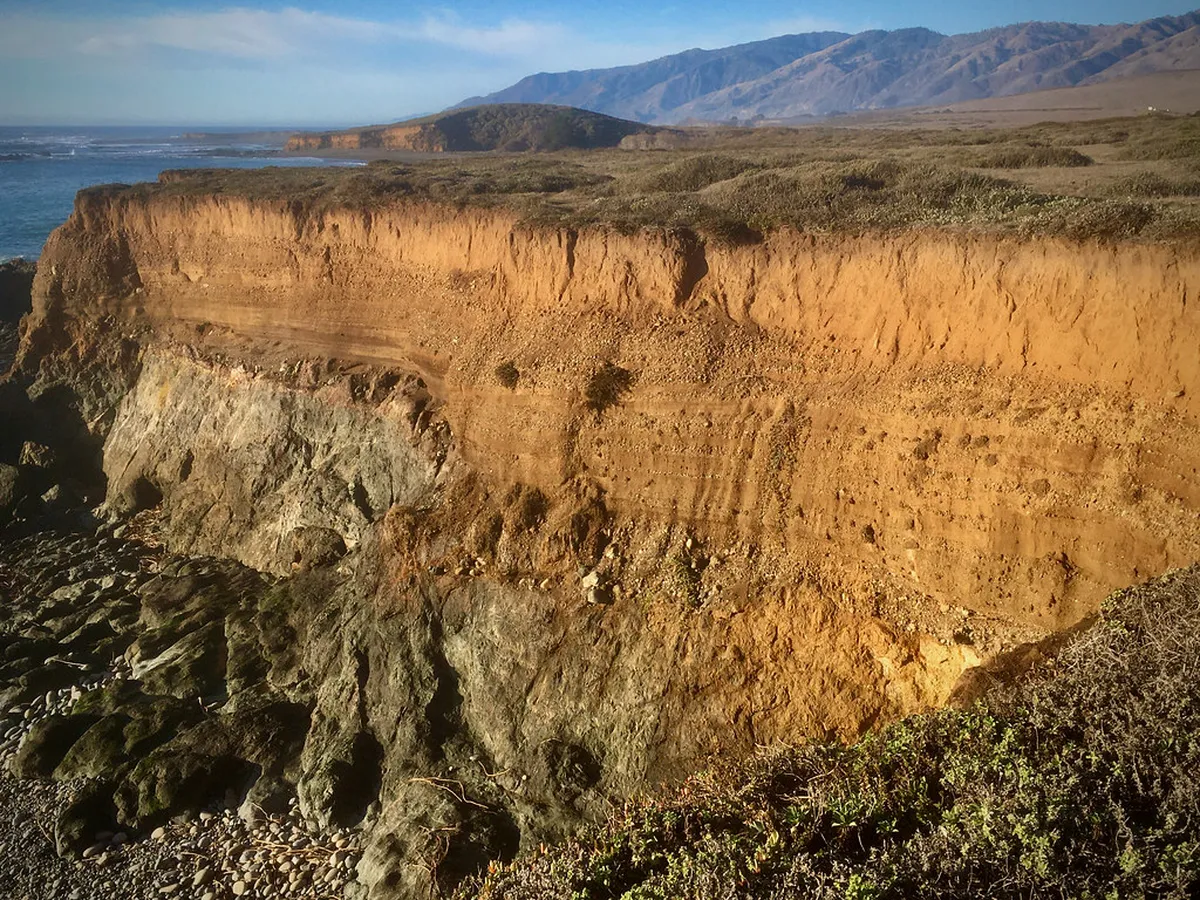
The rocks here formed about 180 million years ago. They reveal how the Atlantic Ocean first opened up. You can see different layers stacked like a book. Each layer represents a different environmental stage.
Walking here feels like traveling back in time. The cliffs show how sea levels changed long ago. You can see signs of ancient marine life everywhere. This makes the area a natural outdoor museum.
The cliffs at Peniche are a Global Stratotype Section. This means they are an international standard for geology. You can see the boundary between different Jurassic ages. This specific transition is rare to find so clearly.
Key Spots on the Geological Route of Peniche
Start your journey at the famous Cabo Carvoeiro lighthouse. This area features the most iconic limestone formations. The Cabo Carvoeiro coastal loop offers the best access. You will see jagged rocks shaped by the sea.
Look for the Nau dos Corvos rock stack nearby. This massive structure resembles a large ship at sea. It is a perfect example of coastal erosion. The waves have carved this limestone over centuries.
Visit the Remedios site for more unique rock shapes. These formations look like giant steps or folded sheets. They show how tectonic plates moved the Earth. Understanding these shapes adds depth to your walk.
The Papôa area offers another spectacular view of rocks. This volcanic peninsula contrasts with the surrounding limestone cliffs. You can see where ancient lava met the sea. It provides a colorful break from the gray stone.
Identifying Fossils on Peniche Walking Trails
The cliffs are full of hidden treasures for explorers. You can find ancient fossil locations on Peniche walking trails easily. Look closely at the flat limestone surfaces near the shore. Many small shells are trapped in the stone.
Ammonites are the most common fossils found here. These were coiled marine creatures similar to modern squids. Their circular patterns are easy to spot in the gray rock. Please remember to leave all fossils in their place.
Belemnites also appear frequently in the Jurassic layers. These look like small stone bullets or dark fingers. They belonged to ancient cephalopods that swam in warm seas. Finding them is a highlight for many hikers.
Trace fossils are also visible along the trails. These are not body parts but ancient footprints or burrows. They show how creatures moved across the seabed long ago. Look for strange tunnels and marks in the rock.
Tips for Understanding the Jurassic Rocks on Peniche Walks
🎯 Insider Tip: Discover the best Lisbon experiences with Viator Tours!
Planning your trip for 2026 requires some simple preparation. Check the local tide charts before you start walking. Some geological sites are only reachable at low tide. Safety should always be your top priority here.
Wear sturdy hiking boots with good grip for the rocks. The limestone can be very slippery when it is wet. Bring a light jacket even during the summer months. Coastal winds in Peniche can be quite strong.
Consider joining educational walking tours of Peniche rock formations for more info. Local guides can point out details you might miss. They explain the complex history in simple terms. Most tours last about two to three hours.
Photography fans will love the golden hour in Peniche. The setting sun makes the Jurassic rocks glow with orange. This is the best time for capturing the textures. Stay on the marked paths to protect the environment.
Frequently Asked Questions
What are the best months for geological walks in Peniche?
The best months are April, May, September, and October. The weather is mild and the crowds are smaller. You can enjoy the cliffs without the intense summer heat. Always check the local forecast before heading out to the coast.
Is the geological route suitable for children?
Yes, the route is great for families and students. Children love searching for fossils in the rocks. However, you must keep them away from cliff edges. Many paths are flat but some sections require careful stepping over stones.
How long does the full geological route take to walk?
The full walk usually takes between three and four hours. This allows time for taking photos and looking for fossils. You might spend longer if you visit the lighthouse museum. Most people walk about five to eight kilometers total.
Are there entry fees for the Peniche coastal cliffs?
No, there are no entry fees for the coastal cliffs. The geological route is free for everyone to enjoy. You only pay if you book a private guided tour. It is one of the best free activities in Portugal.
Understanding the Jurassic rocks on Peniche walks is a rewarding experience. You will see the Earth's history in a new way. Plan your 2026 visit to Portugal soon. Enjoy the stunning views and ancient stories found in the stone.