
Exploring the History of Vila Nova de Gaia Wine Cellar Walks
Exploring the history of Vila Nova de Gaia wine cellar walks is a journey through centuries of tradition. This city sits directly across the Douro River from the vibrant city of Porto. It has served as the global center for the Port wine trade since the 1700s. You will find ancient lodges and historic paths along these famous riverbanks.
Origins of Port Wine Storage in Gaia
For practical details and last-minute changes, use Porto travel info.
For official information, visit Porto travel info.
The long history of Port wine began in the rugged and hot Douro Valley. Merchants moved the wine down the river to the coast during the early 1700s. The Douro River provided a natural path for large wooden boats called rabelos. Vila Nova de Gaia became the official home for aging these world-famous wines.British merchants sought a stable and cool place to store their precious wine stock. They chose Gaia specifically for its unique and steep north-facing hills. These slopes stay naturally cool throughout the entire year which is perfect for aging. This specific climate allows the wine to age slowly and develop its rich flavors.
Large granite lodges were built along the banks to house the heavy wine barrels. These buildings feature very thick walls to regulate the internal temperature during the summer. You can still see many of these original structures standing tall in Gaia today. They represent centuries of successful trade between Portugal and the rest of the world.
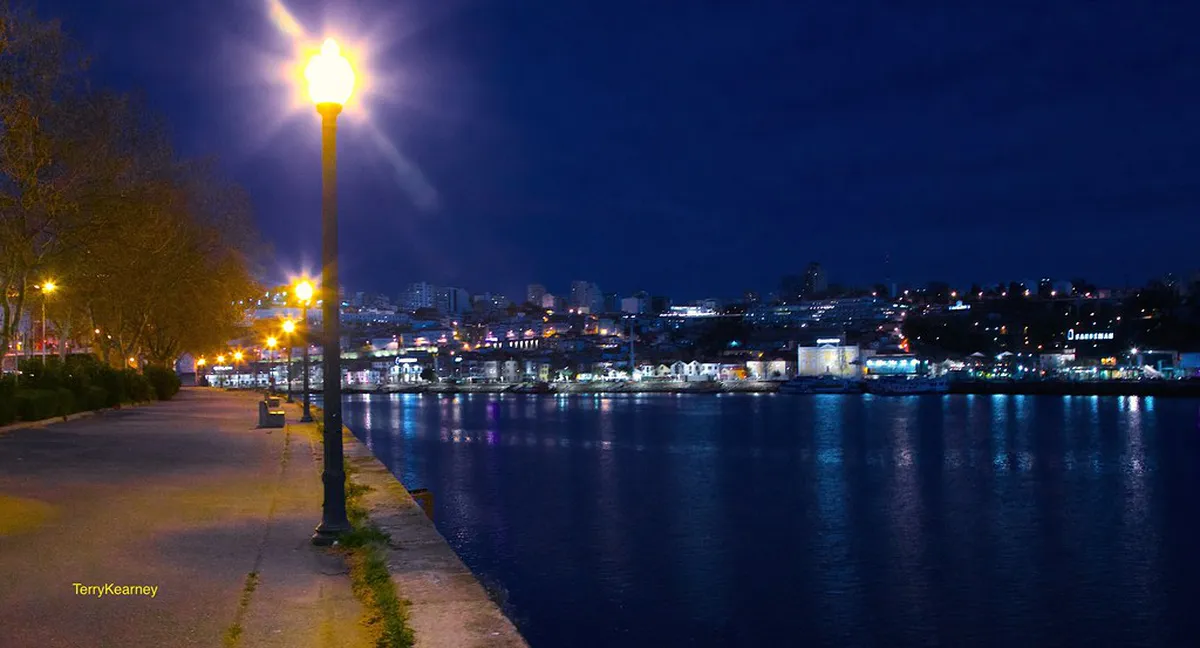
The riverfront was once a busy industrial hub filled with workers and heavy cargo. Laborers spent long days moving massive barrels from the boats to the dark cellars. Today, this area is a beautiful and peaceful place for a relaxing afternoon walk. It offers a fascinating glimpse into the commercial past of this historic region.
History of Vila Nova de Gaia Wine Cellar Walks
In the distant past, walking through the streets of Gaia was purely for work. Men rolled heavy oak casks along the steep and narrow cobblestone streets every day. Today, these same historic paths are used for Gaia wine cellar walks by visitors. The transition from a busy industry to global tourism happened very gradually.
Wine cellars began opening their heavy wooden doors to the public in the 1900s. Curious visitors wanted to learn the secret methods of traditional Port wine production. Guided tours became a popular way for locals to share their rich Portuguese culture. This shift created a new and thriving economy for the entire local community.
Modern walkways now connect the most famous and historic wine houses in the city. These paths are designed for visitor comfort while offering truly spectacular scenic views. You can enjoy the history of the area while looking across at Porto. The entire district feels like a living museum dedicated to the art of wine.
Local authorities have improved the pedestrian zones significantly over the last few years. New signs help modern visitors find the most historic and interesting routes through Gaia. Walking is now considered the best way to see the beauty of the city. It allows you to discover hidden alleys and charming small local shops.
Architectural Heritage of the Wine Lodges
The architecture found in Gaia is very distinct and serves a very specific function. Red-tiled roofs contrast beautifully with the grey granite walls of the ancient lodges. These natural materials were chosen for their incredible durability and their natural cooling properties. You can see this on scenic walks in Porto and Gaia.
Most of the lodges were built very close to the edge of the river. This strategic location made the loading and unloading of wine barrels much easier. The buildings often have very high ceilings to allow for better internal airflow. This architectural design keeps the oak barrels in top condition for many decades.
Look for the large family names painted clearly on the white lodge roofs. These signs belong to famous families who have shaped the wine industry for years. They have stood as important landmarks for over a hundred years in this city. They help guide walkers through the complex maze of historic and narrow streets.
Many lodges have carefully preserved their original wooden beam structures from the 1800s. These interiors offer a cool and refreshing escape from the bright summer sun. Stepping inside a lodge feels like traveling back in time to another century. The rich smell of old oak and sweet wine is present everywhere.
Famous Lodges Along the Walking Routes
⭐ Recommendation: Don't miss out on amazing Porto tours - book now!
Sandeman is one of the most recognizable and famous names in all of Gaia. Their historic lodge sits right on the main riverside promenade for easy access. It is a perfect starting point for your journey through the history of wine. The walk from here leads you deep into the heart of the district.
Taylor’s Lodge is located much higher up on the steep and winding hillside. The walk to reach this specific lodge is quite a physical workout for visitors. However, the panoramic views of the Douro River from the top are incredible. It is a vital stop for any true wine enthusiast visiting Portugal.
Graham’s Lodge offers a more peaceful and quiet experience for its many visitors. It is situated further away from the main tourist crowds in a local neighborhood. You can enjoy a quiet walk while observing the daily life of Gaia. Use the best routes for walking to find this lodge easily.
Each historic lodge has its own unique story and long-standing family tradition. Some have been owned by the same family for many generations in Gaia. Walking between them helps you understand the massive scale of the wine industry. You will see how these successful businesses shaped the entire modern city.
Planning Your 2026 Wine Cellar Experience
Visiting the city of Gaia in 2026 requires some very careful and early preparation. Most historic lodges now require advanced booking for their popular guided tours. You should start planning your cellar visits several weeks before you arrive. This ensures you get a spot at your favorite historic lodge.
Expect to pay between 15 and 30 Euros per person for a tour. This price usually includes a full tour and at least two wine tastings. Prices may vary depending on the specific age of the wine you taste. Some lodges offer premium experiences for a much higher cost to visitors.
Wear comfortable walking shoes with a good grip for the old cobblestone streets. The roads in Gaia can be very steep and often slippery when wet. Bring a light jacket even during the warm and sunny summer months. The cellars are always kept cool to protect the quality of the wine.
Allow at least three full hours for a complete walking tour of Gaia. This gives you enough time to enjoy the views and the tastings. Morning visits are usually much less crowded than the busy afternoon hours. You will have more space to take beautiful photos of the area.
Frequently Asked Questions
Why are the wine cellars in Gaia instead of Porto?
Gaia has a north-facing orientation that provides naturally cooler temperatures for the cellars. This is essential for the slow aging process of Port wine in barrels. Porto faces south and becomes much warmer during the hot summer months.
How much does it cost to walk through the cellar district?
Walking through the historic streets of Vila Nova de Gaia is completely free for everyone. You only pay if you decide to enter a lodge for a tour. Tasting prices usually start around 15 Euros in the year 2026.
Are the walking paths in Gaia difficult to navigate?
The paths are well-marked but can be very steep in several different places. Many streets feature traditional Portuguese cobblestones which are often uneven and slippery. It is best to follow a digital map for the easiest walking routes.
The history of Vila Nova de Gaia wine cellar walks is truly fascinating. You can explore centuries of trade and Portuguese culture on foot today. Make sure to book your tours well in advance for your 2026 trip. Enjoy the unique flavors and stunning views of this historic riverside city.