
Exploring Porto Historic Center Walking Tour for History Buffs
History buffs love the winding streets of Porto. This city offers a deep look into Portugal's glorious past. Taking a Porto historic center walking tour for history buffs is the best way to explore. You will find ancient secrets around every corner in 2026.
The Medieval Roots of Porto
Porto holds over two thousand years of history within its walls. A Porto historic center walking tour for history buffs reveals these layers. You will see Roman ruins and medieval fortifications throughout the city. These ancient structures tell stories of battles and trade from long ago.
Walk through the narrow alleys of the Sé district. This area feels like a living museum of the Middle Ages. The granite buildings show the strength of old Porto. You can almost hear the echoes of ancient merchants here.
The Cathedral stands as a fortress over the city. It was built in the 12th century as a religious center. Its thick walls and towers served a dual purpose. They provided safety and a place for worship.
The city walls expanded as the population grew. King Fernando completed the largest set of walls in 1376. You can still find large sections of this wall today. They offer a clear boundary of the ancient city limits.
Architectural Gems of the Historic Center
Visit the Bolsa Palace to see 19th-century luxury. This building served as the city's stock exchange. The Arabian Room features stunning gold and intricate designs. It highlights the wealth Porto gained from global trade.
The São Bento Station is a masterpiece of tile art. Over 20,000 blue tiles cover the interior walls. These tiles depict famous battles and royal meetings. History comes alive through these detailed ceramic scenes.
Clérigos Tower offers a view of the entire historic center. It was the tallest building in Portugal when completed. The Baroque style shows the artistic trends of the 1700s. Climbing the stairs is a journey through time.
The Ferreira Borges Market is another architectural highlight. This iron structure shows the city's industrial progress. It was built in 1885 to replace an old market. Today, it serves as a vibrant cultural space.
The Rich Heritage of Ribeira
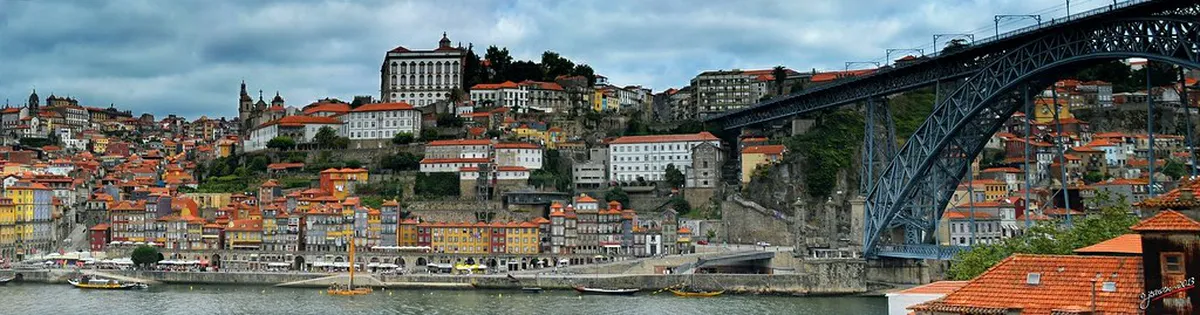
The Ribeira district is a UNESCO World Heritage site. It sits right along the banks of the Douro River. This area was the heart of Porto's maritime success. Explore the Ribeira riverside walking routes for the best views.
Look for the colorful houses stacked on the hillside. These homes have housed fishing families for centuries. The narrow facades are covered in traditional Portuguese tiles. Each building tells a story of the local community.
The Dom Luís I Bridge connects history with modern engineering. It was designed by a student of Gustave Eiffel. Walking across it gives you a perspective of the city's growth. The iron structure is a symbol of the industrial age.
Notice the traditional Rabelo boats on the water. These boats once carried port wine from the valley. They are a vital part of Porto's commercial history. You can see them docked along the stone quays.
Hidden Churches and Sacred History
🎯 Insider Tip: Discover the best Porto experiences with Viator Tours!
Porto is famous for its collection of ornate churches. Many are hidden within the dense urban maze. A Porto historic center walking tour hidden churches route is essential. You will find incredible gold leaf carvings inside.
The Church of Saint Francis is a prime example. Its interior is covered in hundreds of kilograms of gold. This wealth came from the riches of the Portuguese Empire. It is a breathtaking sight for any history enthusiast.
Carmo and Carmelitas churches sit side by side. A very narrow house separates these two famous buildings. This unique layout has a fascinating historical reason. Legend says it kept the monks and nuns apart.
The Church of Santa Clara is a hidden gem. It features some of the finest woodwork in Portugal. The interior is a sea of gold and intricate carvings. It remains one of the most peaceful spots in Porto.
Practical Tips for History Lovers
Wear comfortable shoes for the steep cobblestone streets. Porto is a very hilly city with uneven paths. Most historic sites open daily from 9:00 AM to 6:00 PM. Admission for major monuments usually costs five to ten euros.
Carry a small bottle of water during your walk. Many public fountains offer fresh water for free. You should also bring a map or a digital guide. This helps you find the smaller historical markers.
Plan to spend at least four hours on your tour. This allows time to read plaques and take photos. Early morning is the best time to avoid large crowds. You will enjoy a much quieter experience then.
Check the local calendar for any festival dates. Porto celebrates many historical events throughout the year. These festivals can add a unique layer to your visit. However, they also bring much larger crowds to the center.
Frequently Asked Questions
Is the Porto historic center walkable for seniors?
The center is walkable but features many steep hills and stairs. Seniors should take frequent breaks and wear supportive shoes. Using the funicular can help avoid the steepest climbs. Many historical sites are located within a short distance of each other.
How long does a Porto history tour take?
A thorough tour usually takes three to five hours. This depends on how many buildings you choose to enter. History buffs often spend more time at the Cathedral or Bolsa Palace. Allow extra time for a lunch break in the Ribeira district.
What are the best months for a walking tour?
May and September offer the best walking weather in Porto. The temperatures are mild and the skies are usually clear. Summer can be very hot for long walks in the sun. Winter brings more rain to this beautiful coastal city.
Porto is a treasure chest for history lovers. Every street offers a lesson in Portuguese heritage. Start your scenic walks in Porto 2026 journey today. You will never forget the beauty of this ancient city.