
Photography Tips for Birds on Sagres Walking Trails
Sagres is a premier destination for nature photographers in 2026. The dramatic Atlantic coastline provides a perfect backdrop for avian subjects. You will find many useful photography tips for birds on Sagres walking trails here. Let us explore how to capture stunning wildlife moments safely.
Essential Camera Gear for Coastal Birding
Bring a long telephoto lens for the best results in Sagres. A 400mm or 600mm focal length works very well. These lenses allow you to photograph birds from a safe distance. This prevents you from scaring the wildlife away from their nests.
A sturdy tripod is vital on the windy cliffs. Sagres experiences strong Atlantic breezes throughout the year. Stability ensures your images stay sharp and clear in high winds. Consider using a gimbal head for smoother bird tracking.
The salt spray from the ocean can damage your equipment. Keep a clean microfiber cloth in your bag at all times. Use a protective rain cover even on sunny days. This helps block salt and sand from entering your lens.
Carry extra batteries and high-speed memory cards for long walks. Cold coastal winds can drain battery life faster than expected. Fast cards allow you to clear your camera buffer quickly. This is essential when shooting long bursts of action.
Photography Tips for Birds on Sagres Walking Trails
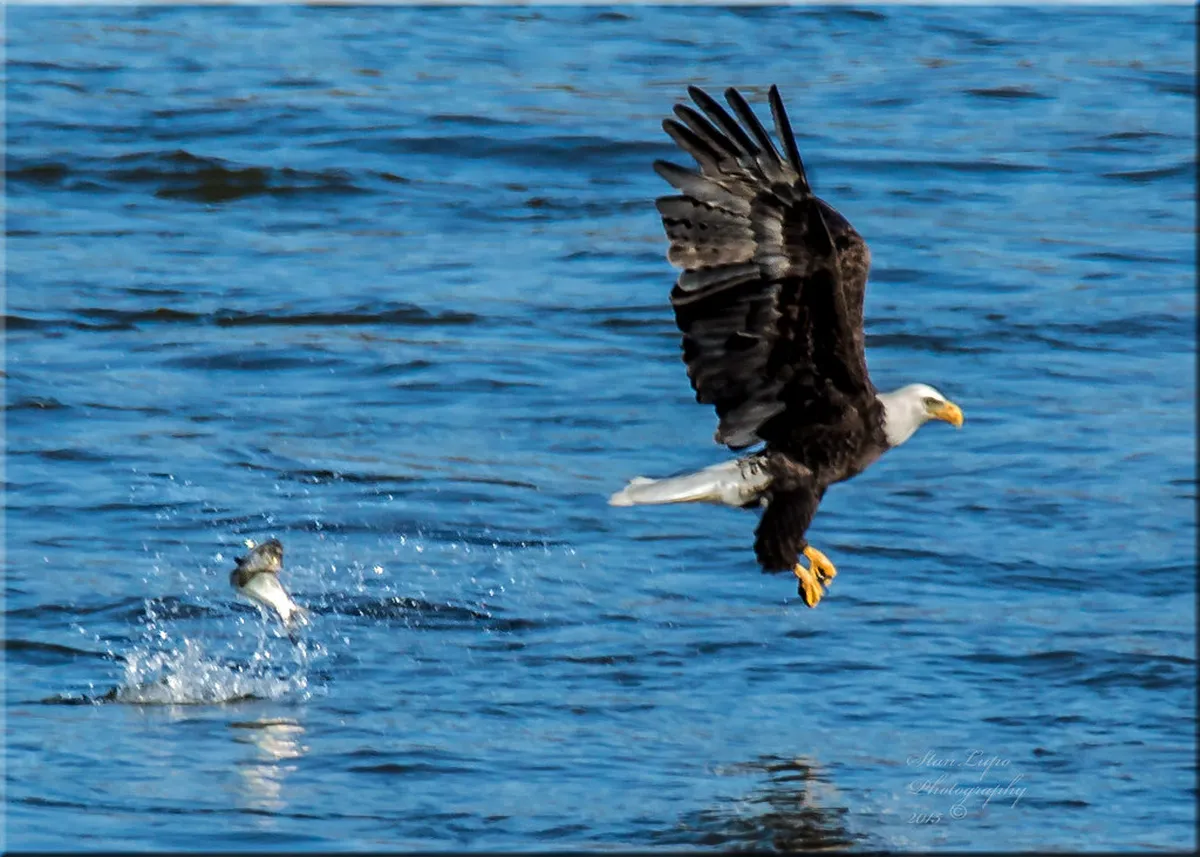
High shutter speeds are necessary for flying birds on the coast. Set your camera to at least 1/2500 of a second. This speed freezes the rapid wing beats of large raptors. It helps you capture crisp details in every single frame.
Use continuous autofocus to track moving targets across the sky. This mode keeps the bird in focus as it flies. Back-button focusing is another great technique to try in Sagres. It gives you more control over the shutter release timing.
Keep your aperture wide to blur busy coastal backgrounds. A setting of f/5.6 or f/8 often works best. This makes the bird stand out against the blue ocean. Consult the best months for bird watching walks in Sagres for peak activity.
Practice your panning technique before you reach the cliff edge. Move your camera smoothly with the bird's flight path. This creates a sense of motion in your wildlife images. It is a key skill for any bird photographer.
Mastering Light and Timing in Sagres
The golden hour provides the most beautiful light for photography. Arrive at the trails just after the sun rises. The soft glow enhances the natural colors of the feathers. It also creates a warm mood for your coastal shots.
Late afternoon is another excellent time for bird photography. The sun sits lower in the sky during these hours. This reduces harsh shadows on the rugged cliff faces. You can find rare birds to spot while walking Sagres cliffs then.
Check the local weather forecast before you start your walk. Overcast days provide soft and even lighting for dark birds. This prevents highlights from blowing out on white feathers. It is ideal for capturing detail in challenging conditions.
Plan your visit around the 2026 migration seasons for variety. Spring and autumn bring thousands of birds through the peninsula. These periods offer the highest density of subjects for your portfolio. The variety of species is truly impressive during migration.
Best Locations Along the Sagres Coastline
🌟 Local Expert Tip: Get the most out of your Lisbon visit with guided tours!
The cliffs near the fortress offer great vantage points. You can see many species soaring on the coastal thermals. This spot is perfect for wide-angle bird-in-landscape shots. It is a highlight of Sagres coastal bird watching walks.
Walk toward the westernmost point for unique camera angles. The area around the lighthouse is very productive for photos. You might spot peregrine falcons nesting in the high rocks. Use the Cabo de São Vicente coastal walk to find them.
Look for smaller songbirds in the low coastal scrubland. These species often hide from the strong Atlantic winds. Patience is key when waiting for them to appear. Stay quiet and move slowly to avoid startling them.
Always stay on the marked trails for your own safety. The cliff edges can be unstable and very dangerous. Use your long lens to get close shots safely. Respect the local environment and the wildlife at all times.
Frequently Asked Questions
What is the best lens for Sagres bird photography?
A telephoto lens with at least 400mm reach is ideal. This allows you to capture distant raptors without disturbing them. Higher focal lengths like 600mm are even better for small birds. Ensure your lens has image stabilization for the windy conditions.
When is the best time of day to take photos?
Early morning and late afternoon offer the best lighting. The golden hour provides soft light that highlights feather textures. Midday sun is often too harsh and creates deep shadows. Aim to be on the trails at sunrise for the best results.
Are tripods allowed on the Sagres walking trails?
Yes, tripods are allowed and highly recommended for stability. The wind in Sagres can be very strong and unpredictable. A heavy tripod helps keep your camera steady for sharp images. Always ensure your tripod does not block the walking path.
Following these photography tips for birds on Sagres walking trails will improve your shots. Sagres offers a unique mix of light and wildlife in 2026. Grab your gear and explore the beautiful Portuguese coast today. Happy shooting on the trails!