
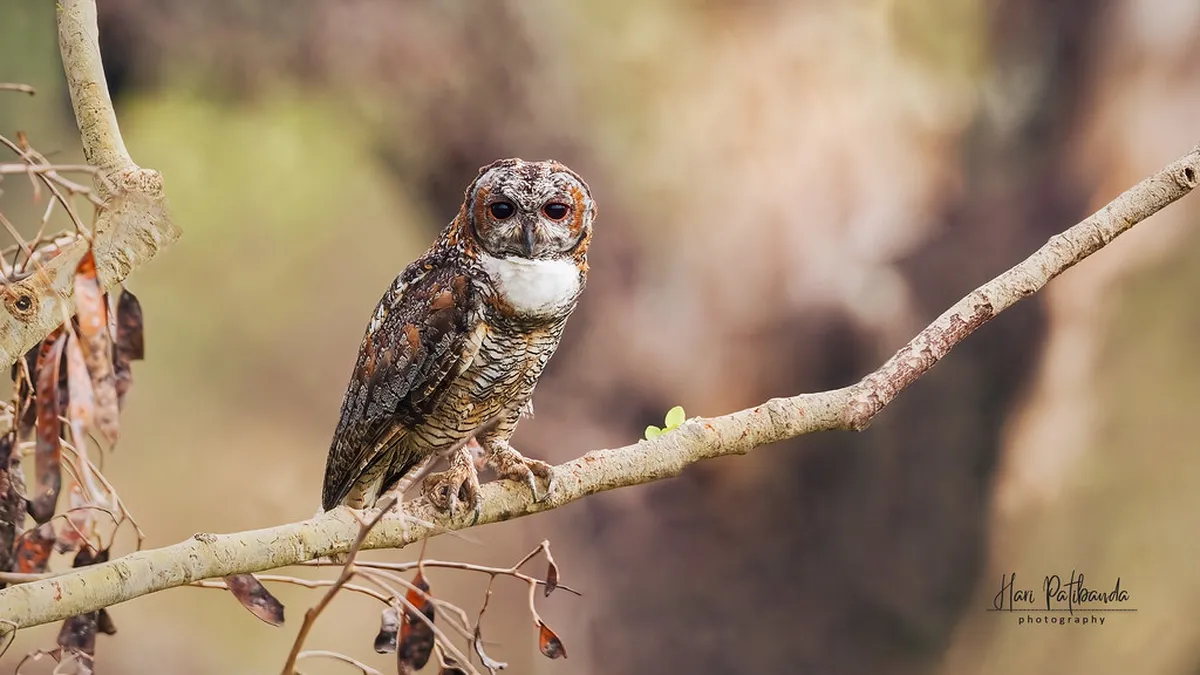
Tips for Wildlife Spotting on Troia Peninsula Nature Walks
The Troia Peninsula is a natural paradise near Setúbal. Many travelers visit for the golden sands and blue water. However, the area offers incredible opportunities for nature lovers. You can enjoy amazing scenic walks in Setúbal while searching for local animals. This guide helps you find the best spots for wildlife spotting on Troia Peninsula nature walks in 2026.
Best Times for Wildlife Spotting
Timing is everything when you want to see wild animals. Most creatures are active during the early morning hours. Plan to start your walk just after sunrise for the best results. The temperature is cooler and the trails are very quiet.
Low tide is another critical factor for your 2026 trip. Many birds feed on the mudflats when the water retreats. You can see flamingos and spoonbills more easily during these times. Check the local tide charts before you leave Setúbal.
Spring and autumn are the best seasons for birdwatching. Many migratory species stop here during their long journeys. You will see a wider variety of colors and sounds. Winter also brings large groups of flamingos to the estuary marshes.
Avoid the midday heat during the summer months. Most animals hide in the shade when the sun is high. If you walk in the evening, you might see foxes. The golden hour also provides perfect lighting for your nature photos.
Spotting the Resident Sado Dolphins
A unique pod of bottlenose dolphins lives in the Sado Estuary. These are some of the only resident dolphins in Europe. You can often spot them from the peninsula shoreline. Look for their dark fins breaking the calm water surface.
The best viewing spots are near the tip of the peninsula. Watch the water closely while taking the ferry for Troia walks from the city. The dolphins often swim near the boat channel to find fish. Keep your camera ready for a quick photo.
Be patient when searching for these marine mammals. They move quickly and can stay underwater for several minutes. Scanning the horizon with binoculars helps you find them faster. They are most active when the tide is moving.
Respect the animals by keeping a safe distance. Never try to swim out to meet the pod. Watching them from the beach is a peaceful experience. You might even hear them breathe if the air is still.
Birdwatching on the Nature Reserve Trails
The Troia Peninsula features diverse habitats for many bird species. You will find salt marshes, lagoons, and pine forests. Each area attracts different types of feathered residents. Use a Troia Peninsula nature reserve walking guide to find hidden paths.
The Caldeira lagoon is a hotspot for aquatic birds. You can see elegant grey herons standing still in the water. Little egrets are also common sights along the muddy banks. Look for the bright pink feathers of the greater flamingos.
In the pine forests, listen for the calls of songbirds. You might spot the colorful hoopoe with its distinct crest. Azure-winged magpies are very common in this part of Portugal. They often travel in noisy groups through the trees.
- Greater Flamingos (best in winter)
- White Storks (nesting in spring)
- Ospreys (near the water)
- Sanderlings (on the Atlantic beaches)
Bring a field guide to help identify what you see. There are over 200 species recorded in this region. The variety makes every walk a new and exciting adventure. Stay on the marked paths to protect the nesting sites.
Essential Gear for Nature Walks
🎯 Insider Tip: Discover the best Lisbon experiences with Viator Tours!
Proper gear makes wildlife spotting on Troia Peninsula nature walks much easier. A good pair of binoculars is your most important tool. Choose a lightweight model that is easy to carry. This allows you to see animals without getting too close.
Wear comfortable shoes that can handle sand and dirt. Some paths are quite soft and require extra effort. Light hiking boots or sturdy sneakers work best for these trails. Avoid flip-flops if you plan to walk for several hours.
The sun in Portugal can be very strong in 2026. Always wear a hat and apply high-factor sunscreen. Carry at least one liter of water per person. There are few places to buy drinks once you enter the reserve.
A small backpack is useful for carrying your essentials. Pack a light jacket even if the day seems warm. The breeze from the Atlantic Ocean can feel quite chilly. Having a snack will keep your energy up during long walks.
Navigating the Troia Nature Paths
Finding your way around the peninsula is relatively simple. Most nature trails start near the main resort area. You can walk from the ferry terminal to reach the paths. Look for the wooden boardwalks that protect the fragile dunes.
The terrain is mostly flat but can be quite sandy. Walking on sand is slower than walking on pavement. Plan for extra time to reach the further bird hides. The peace and quiet of the remote sections are worth it.
Respect all signs and stay within the designated walking zones. This protects the local plants and animal burrows. You will find helpful maps at the start of major trails. Some paths lead directly to the beach for more views.
The ferry from Setúbal runs frequently throughout the day. A round-trip ticket costs about five to seven Euros. This makes it easy to visit for a morning walk. Return to the city for a fresh fish dinner after your trip.
Frequently Asked Questions
🎯 Insider Tip: Discover the best Lisbon experiences with Viator Tours!
What animals can I see on the Troia Peninsula?
You can see bottlenose dolphins, flamingos, and many species of storks. Foxes and rabbits also live in the pine forests. It is one of the best spots for birdwatching in Portugal. Check out the Troia Peninsula beach walks for shorebird sightings.
Is there a fee to enter the nature reserve?
Most walking trails on the peninsula are free to access. You only need to pay for the ferry crossing from Setúbal. Some specific guided tours may have a separate cost. Always carry a small amount of cash for local needs.
When is the best month for flamingos in Troia?
The best time to see flamingos is from November to March. They gather in large numbers in the salt marshes. You can still see some birds during the summer months. They are very easy to spot against the blue water.
Wildlife spotting on Troia Peninsula nature walks is a rewarding experience. You will see unique animals in a beautiful coastal setting. Remember to bring your binoculars and check the local tide times. Plan your nature adventure in Setúbal for 2026 to enjoy Portugal's natural beauty. Start your journey today by booking a ferry to this peaceful sanctuary.