
Wildlife and Flora Safety in Sintra Forest Tips
Sintra offers a magical forest experience for every nature lover. You must prioritize wildlife and flora safety in Sintra forest during your visit. This guide helps you navigate the lush trails while protecting local species. Enjoy the stunning beauty of Portugal safely in 2026.
Respecting Protected Plants in Sintra
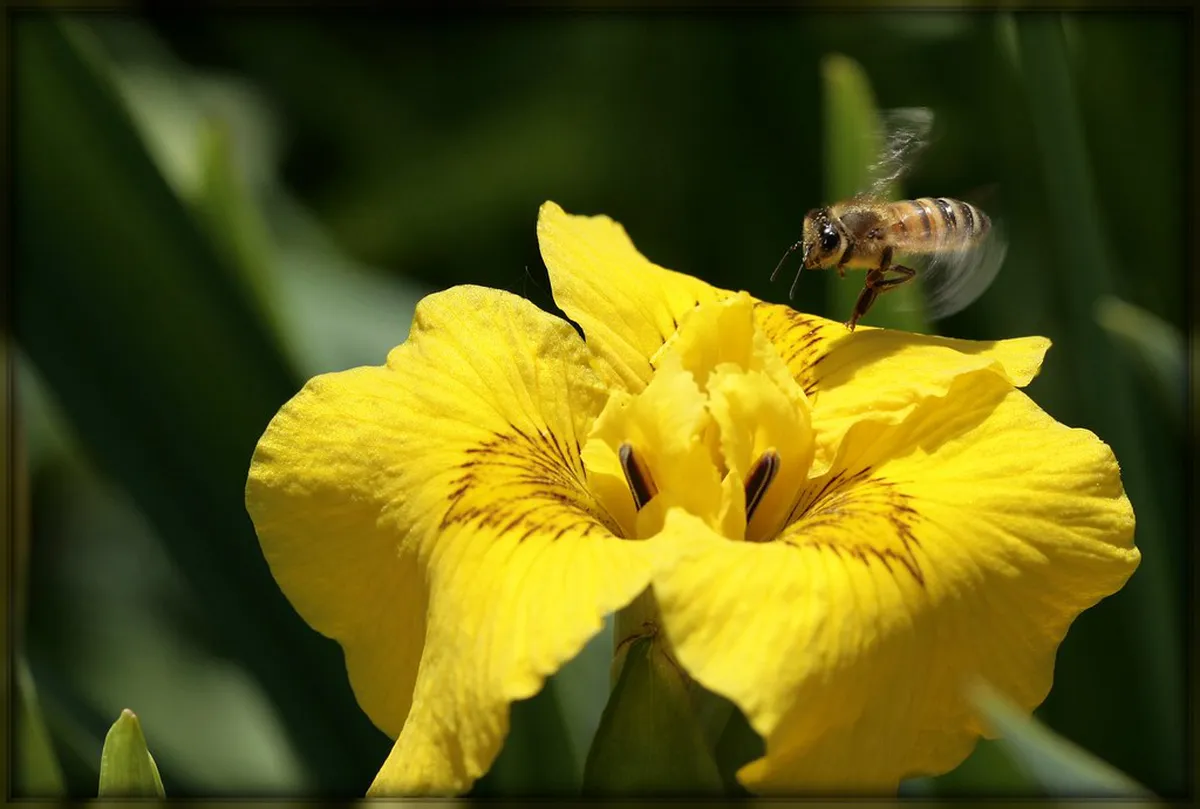
Sintra's microclimate creates a unique home for many rare plant species. You will find ancient cork oaks and exotic ferns along the trails. These plants are delicate and protected by local environmental laws. Always admire the greenery without picking or damaging any flowers.
- Cork Oak: An iconic tree with thick, protective bark.
- Tree Ferns: Large green leaves that love the humid mist.
- Wild Orchids: Small and rare flowers found in spring.
The forest floor hosts many sensitive mosses and lichens. Stepping off the path can destroy these small ecosystems instantly. Stick to the marked best Sintra hiking trails to avoid damage. Your careful steps help preserve the forest for future visitors.
Invasive species sometimes threaten the native flora of the Sintra-Cascais Natural Park. Avoid bringing outside seeds or plants into the protected forest area. Clean your hiking boots before starting your journey to prevent cross-contamination. This simple habit protects the natural balance of the mountain.
Wildlife and Flora Safety in Sintra Forest
Wildlife and flora safety in Sintra forest involves understanding local animal behavior. You might encounter wild boars or small mammals during your hike. These animals usually avoid humans but can become defensive if they feel cornered. Keep a safe distance and never attempt to feed the wildlife.
Snakes inhabit the rocky areas and thick brush of the Sintra mountains. Most species are harmless, but the snub-nosed viper requires extra caution. Wear sturdy boots and long trousers to protect your legs from accidental bites. Watch your step when walking through tall grass or near stone walls.
Protecting yourself also means avoiding toxic plants found in the region. Some berries and mushrooms in the forest are highly poisonous to humans. Never eat anything you find growing wild along the walking paths. Consult our Sintra hiking safety tips for more general advice.
Navigating the Forest Safely
The dense canopy of the Sintra forest can make navigation quite challenging. Fog often rolls in quickly, reducing visibility to just a few meters. Carry a physical map or a reliable GPS device on every hike. This ensures you stay on the correct path and avoid getting lost.
Many trails feature steep inclines and slippery surfaces after recent rainfall. Use trekking poles to maintain your balance on the uneven forest floor. Good traction on your shoes is essential for a safe hiking experience. Review the trail difficulty ratings for Sintra before you start.
Mobile signal can be inconsistent in the deep valleys of the forest. Inform someone about your planned route and expected return time before leaving. Check for the best signal spots to stay connected during emergencies. These precautions provide peace of mind during your outdoor adventure.
Seasonal Safety and Fire Prevention
⭐ Recommendation: Don't miss out on amazing Sintra tours - book now!
Summer months in 2026 bring a high risk of forest fires in Portugal. High temperatures and dry winds make the Sintra forest very vulnerable. Smoking and lighting fires are strictly prohibited throughout the entire natural park. Always check the daily fire risk level before entering the woods.
Winter hikes offer beautiful views but require extra preparation for wet weather. Heavy rains can make granite rocks extremely slippery and dangerous to climb. Check the weather safety for hiking to avoid sudden storms. Proper waterproof gear will keep you warm and dry during your trek.
Spring is the best time to see the blooming flora in Sintra. The forest comes alive with vibrant colors and fresh scents in April. Be mindful of nesting birds and other wildlife during this active season. Stay on the trails to minimize your impact on the breeding animals.
Frequently Asked Questions
⭐ Recommendation: Don't miss out on amazing Sintra tours - book now!
Are there dangerous animals in the Sintra forest?
Most wildlife in Sintra is shy and avoids human contact. You might see wild boars or small snakes like vipers. These animals only become aggressive if they feel threatened or cornered. Always keep a respectful distance and stay on marked trails for your safety.
Can I pick wildflowers in Sintra-Cascais Natural Park?
No, you should never pick wildflowers in the protected park. Many species are rare and vital for the local ecosystem. Removing plants can lead to heavy fines from park authorities. Take photos instead to remember the beautiful flora of the region.
What should I do if I see a wild boar?
Stay calm and do not make any sudden movements. Give the animal plenty of space to move away on its own. Never try to feed or approach a boar, especially with young piglets. Slowly back away while keeping your eyes on the animal.
Is the water from forest streams safe to drink?
You should avoid drinking water from natural streams in the forest. The water may contain harmful bacteria or parasites from local wildlife. Always carry enough bottled water for your entire hiking trip. Staying hydrated is essential for a safe mountain experience.
Exploring the Sintra mountains is a highlight of any trip to Portugal. Always remember the importance of wildlife and flora safety in Sintra forest. Respect the environment and follow local regulations to ensure a great hike. Start planning your sustainable adventure today!