
Exploring the Best Tavira Salt Pan Walking Routes
Tavira offers some of the most beautiful landscapes in Portugal. You can explore the stunning Tavira salt pan walking routes this year. These paths wind through ancient salt pans and coastal wetlands. Visitors often see pink flamingos wading in the shallow waters.
Discovering the Salinas of Tavira
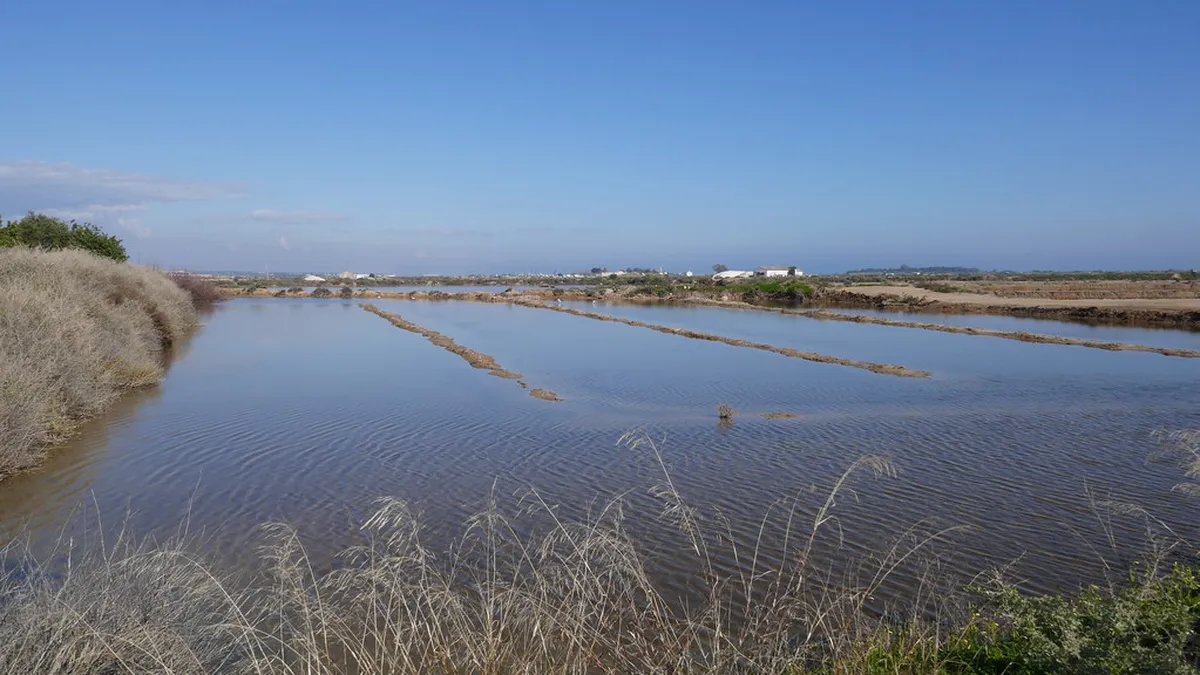
The Salinas of Tavira are part of the Ria Formosa Natural Park. This area produces high-quality sea salt using traditional methods. Walking here allows you to see history in action. The sparkling white salt heaps create a unique coastal landscape.
You will find many flat paths perfect for easy strolls. These routes are ideal for families and casual walkers alike. Many people enjoy walking the salinas of Tavira for beginners to start. The air smells of sea salt and wild herbs.
The pans change colors throughout the day and seasons. Early morning light makes the water look like a mirror. Late afternoon sun turns the salt crystals into sparkling jewels. It is a peaceful place for nature lovers to explore in 2026.
The ecosystem here supports a wide variety of life. You can observe unique plants that thrive in salty soil. Small crabs often scuttle across the muddy banks. This balance of nature and industry is truly special to witness.
Morning Itinerary: The Santa Maria Trail
Start your morning at the Santa Maria salt pans. This route begins near the historic center of Tavira. You can easily walk from the Roman Bridge to the trails. The path is roughly four kilometers long and very flat.
This trail offers great views of the traditional salt production. You will see workers harvesting salt during the summer months. It is one of the most scenic walks in Tavira 2026 has to offer. Keep your camera ready for the colorful landscape.
Expect to spend about ninety minutes on this gentle loop. There is very little shade along the entire walking path. We recommend starting your walk before ten in the morning. This helps you avoid the strongest heat of the day.
The route takes you past several active evaporation ponds. You can see the water change from blue to pink. This happens as the salt concentration increases in the heat. It is a natural wonder that fascinates every visitor.
Afternoon Route: The Quatro Águas Path
The Quatro Águas route is a favorite for many visitors. This path connects the town center to the ferry terminal. It runs directly alongside the active salt evaporation ponds. You can enjoy refreshing sea breezes as you walk here.
The route is about two kilometers each way on paved ground. It is perfect for those seeking riverside walks along Gilão River and the coast. You will pass several small cafes near the ferry dock. Stop there for a cold drink or local snack.
Look for the large salt piles near the end of the path. These heaps look like small snowy mountains against the blue sky. You can watch boats traveling to Tavira Island from here. The walk back to town offers a different perspective.
This path is very popular during the late afternoon. The wide trail is suitable for strollers and wheelchairs. You will see many locals enjoying their daily exercise here. It provides a great connection between the town and sea.
Wildlife Spotting on Tavira Salt Pan Walking Routes
⭐ Recommendation: Don't miss out on amazing Lisbon tours - book now!
Birdwatchers will love the Tavira salt pan walking routes. The area is home to many rare and beautiful species. You can see various bird species found on Tavira salt pan walks throughout the year. Flamingos are the main attraction for most visitors.
These iconic pink birds gather in the shallow salt ponds. They are most common from autumn through the early spring. However, some flamingos stay in Tavira during the summer months. Bring binoculars to see them without disturbing their natural habitat.
You might also spot spoonbills, stilts, and several types of herons. The mudflats attract many migratory birds during the winter season. It is a vibrant ecosystem that changes with the tides. Always stay on the marked paths to protect the wildlife.
Listen for the unique calls of the different bird species. The salt pans act as a vital nursery for marine life. You are walking through a protected international wetland area. Please respect the environment by leaving no trace behind.
Practical Tips for Your 2026 Walking Trip
Preparation is key for a great experience in the pans. The sun can be very intense even on cooler days. Always wear a hat and apply high-factor sunscreen before starting. Carrying a large bottle of water is absolutely necessary here.
Choosing the right shoes will make your walk much better. Look for comfortable sneakers or sturdy walking sandals for these paths. Check our guide on the best footwear for Tavira salt pan trails for more advice. The ground can be dusty or muddy depending on the weather.
The best time for walking is during the shoulder seasons. Spring and autumn offer mild temperatures and plenty of bird activity. If you visit in summer, stick to early mornings or evenings. You will find the sunset walking spots in Tavira are truly magical.
Check the weather forecast before you head out for the day. High winds can make the coastal paths feel quite chilly. Always tell someone your planned route before you start walking. Safety is important when exploring the natural areas of Portugal.
History and Heritage of Tavira Salt
💡 Pro Tip: Book your Lisbon adventures in advance through Viator for the best deals!
Salt has been harvested in Tavira for over two thousand years. The Romans were the first to develop these coastal pans. Today, the tradition continues with a focus on gourmet sea salt. This "white gold" remains an important part of the local economy.
Walking the trails helps you understand this ancient coastal industry. You will see the complex system of canals and sluice gates. These tools control the flow of seawater into the evaporation ponds. It is a fascinating blend of nature and human engineering.
Many local shops in town sell the salt harvested here. Look for "Flor de Sal" for the highest quality product. It makes a wonderful souvenir of your walking holiday in Portugal. You can learn more about traditional salt production history on Tavira walks while exploring.
The salt pans are a symbol of Tavira's lasting heritage. They represent a sustainable way of using natural resources. Generations of families have worked these same ponds for centuries. Your visit helps support the preservation of this unique landscape.
Frequently Asked Questions
When is the best time to see flamingos in Tavira?
You can see flamingos most reliably between October and March. Some birds remain in the salt pans throughout the entire year. Visit during high tide for the best viewing opportunities. Check our guide on how to see flamingos in Tavira pans for more details.
Are the Tavira salt pan walking routes difficult?
No, the walking routes are mostly flat and very easy. They are suitable for people of all fitness levels. The paths consist of packed dirt or paved surfaces. Most loops take between one and two hours to complete at a leisurely pace.
Is there an entrance fee for the salt pan trails?
Most of the walking trails around the salt pans are free. They are located on public land within the natural park. Some specific areas may be restricted for active salt harvesting. Always follow local signage and stay on the designated public paths.
What should I bring on a salt pan walk?
You should bring water, sunscreen, and a good hat for shade. Binoculars are highly recommended for spotting birds in the distance. Wear comfortable walking shoes that can handle dusty trails. A camera is essential to capture the stunning coastal reflections.
Exploring the Tavira salt pan walking routes is a top activity. You will experience nature, history, and stunning views in 2026. These trails offer a peaceful escape from the busy city center. Start planning your walking adventure in the Algarve today!