
The Fascinating History of Mata dos Sete Montes Gardens
Mata dos Sete Montes is a green jewel in Tomar, Portugal. This park has deep roots in Portuguese national history. It served as a spiritual retreat for the Knights Templar. Explore the history of Mata dos Sete Montes gardens during your 2026 visit.
Origins and the Knights Templar Legacy
For current hours, prices, and announcements, start with Tomar travel info.
For the most up-to-date details, check Tomar travel info before you go.
The history of Mata dos Sete Montes gardens begins in the 12th century. King Afonso Henriques granted this land to the Knights Templar. Gualdim Pais, the Grand Master, oversaw the initial development. He chose this site for its strategic and spiritual value.The Templars used the forest for deep prayer and meditation. They believed the natural world reflected divine order. The dense trees provided a quiet space away from the castle. It was a sacred sanctuary for the warrior monks.
In the 14th century, the Order of Christ replaced the Templars. They maintained the forest with great care and respect. The monks expanded the paths and added new stone structures. These changes solidified the park's role as a monastic retreat.
Today, you can still feel the ancient energy of the site. Many Mata dos Sete Montes walks follow these original medieval paths. The layout remains largely unchanged since those historic times. It is a living monument to Portugal's past.
The Spiritual Design of the Seven Hills
The name "Sete Montes" translates to Seven Hills in English. This specific number holds great religious significance in Christianity. It represents the seven hills of the holy city of Jerusalem. The monks designed the park to mirror this sacred geography.
Each hill once served a unique spiritual purpose for the friars. Some areas were reserved for silence and complete isolation. Other sections hosted small outdoor chapels for communal prayer. This layout helped the monks focus on their spiritual journey.
The Renaissance era brought new artistic ideas to the gardens. Architects added decorative stone elements and organized flower beds. They blended natural beauty with human-made structures. This created a harmonious environment for both work and worship.
Walking through the hills offers a sense of peace. You can see how the terrain influenced the path designs. The elevation changes provide stunning views of the nearby convent. It is a perfect place for modern travelers to reflect.
The Charolinha and Renaissance Retreats
During the 16th century, the park saw major architectural upgrades. The most famous addition is the small temple called the Charolinha. This circular building sits in the middle of a stone pond. It served as a private retreat for the friars.
The Charolinha features beautiful Manueline and Renaissance design details. It looks like a miniature version of the convent's main tower. Friars used a small bridge to reach this isolated sanctuary. It offered total privacy for their daily religious reflections.
Water plays a vital role in this part of the garden. Stone channels directed water to the pond and surrounding plants. This system kept the area cool during hot Portuguese summers. It also created a soothing sound for those in meditation.
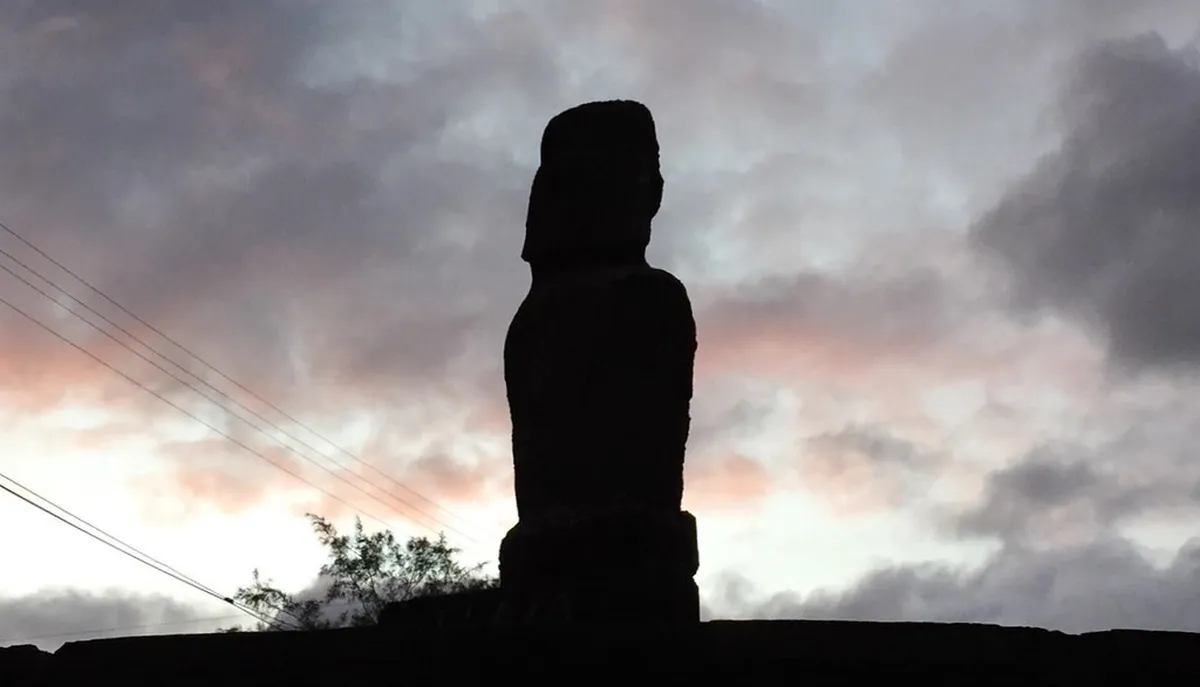
You can find this structure hidden among the thick trees. It is one of the most interesting hidden statues in Mata dos Sete Montes park. Visitors often miss it if they stay on the main paths. Be sure to look for the narrow stone stairways.
Agricultural Life and Monastic Survival
🌟 Local Expert Tip: Get the most out of your Lisbon visit with guided tours!
The park was more than just a place for prayer. It functioned as the primary kitchen garden for the convent. Friars grew a wide variety of vegetables and fruits here. This allowed the monastic community to be self-sufficient.
Medicinal herbs were a priority for the resident monks. they used these plants to treat illnesses in the local community. The gardens also produced olive oil and wine for daily use. High stone walls protected these valuable crops from wild animals.
- Orchards provided fresh oranges, lemons, and figs.
- Vegetable plots grew cabbage, beans, and root crops.
- Herb gardens featured lavender, rosemary, and thyme.
- Forest areas supplied timber for heating and construction.
The water system in the park was highly advanced. It connected to the large Pegões Aqueduct nearby. This ensured a steady supply of water even during droughts. The engineering skill of the monks remains impressive today.
Modern Preservation and Visiting in 2026
Today, the city of Tomar manages this historic public space. It serves as the main park for both locals and tourists. The entrance is located near the center of the city. Most visitors find it very easy to access on foot.
Conservation efforts focus on protecting the ancient cypress and oak trees. Some of these trees are hundreds of years old. They provide essential habitat for local birds and small wildlife. The park remains a vital green lung for the city.
If you plan to visit, check the Mata dos Sete Montes opening hours 2026. The park usually opens early in the morning. Entry is currently free for all visitors. This makes it a great budget-friendly activity in Tomar.
The park is a highlight of many scenic walks in Tomar 2026. You can spend several hours exploring the different levels. Wear comfortable shoes because some paths are quite steep. The shade from the trees keeps the temperature pleasant.
Frequently Asked Questions
💡 Pro Tip: Book your Lisbon adventures in advance through Viator for the best deals!
Who founded the Mata dos Sete Montes gardens?
Gualdim Pais founded the gardens in the 12th century. He was the Grand Master of the Knights Templar. The land was a gift from King Afonso Henriques. It served as a spiritual retreat for the Order for many centuries.
What is the Charolinha in Tomar?
The Charolinha is a 16th-century miniature temple. It is located inside the Mata dos Sete Montes park. Friars used it as a private place for meditation. It is surrounded by water and features intricate Renaissance carvings.
Are the Mata dos Sete Montes gardens free to visit?
Yes, the gardens are free for the public in 2026. You do not need a ticket to enter. The park is open daily from morning until sunset. It is a popular spot for hiking and relaxing in nature.
The history of Mata dos Sete Montes gardens is truly unique. This park offers a rare look into Portugal's monastic past. You can enjoy nature while learning about the Knights Templar. Plan your visit to Tomar soon to experience this magic.