
Guide to Drinking Water Fountains in Bern Walking
Bern is famous for its beautiful public water sources. You can find many drinking water fountains in Bern walking through the streets. These historic landmarks provide fresh mountain water for every traveler. Enjoying this free resource is a great way to explore the city.
The Quality of Bern Drinking Water
You can find the latest updates on Bern travel info.
For practical details and last-minute changes, use Bern travel info.
Bern offers some of the cleanest tap water in Europe. Most fountains provide high-quality spring water that is safe to drink. You do not need to buy bottled water while exploring the Old City. This saves money and helps protect the local environment.Water quality in Switzerland is among the best in the world. Bern sources its water from local springs and groundwater. These sources provide a crisp and refreshing taste for all visitors. You can enjoy this premium water for free at any time.
The city maintains these fountains with great care and regular testing. Local authorities ensure the water meets strict health and safety standards. You can trust the purity of the water flowing in the Old City. This makes Bern a very friendly city for budget-conscious travelers.
Identifying Drinking Water Fountains in Bern Walking
Almost every fountain in the city center is safe for drinking. Look for the clear water flowing from the ornate spouts. If a fountain is not safe, it will have a clear sign. These signs usually say "Kein Trinkwasser" in the local German language.
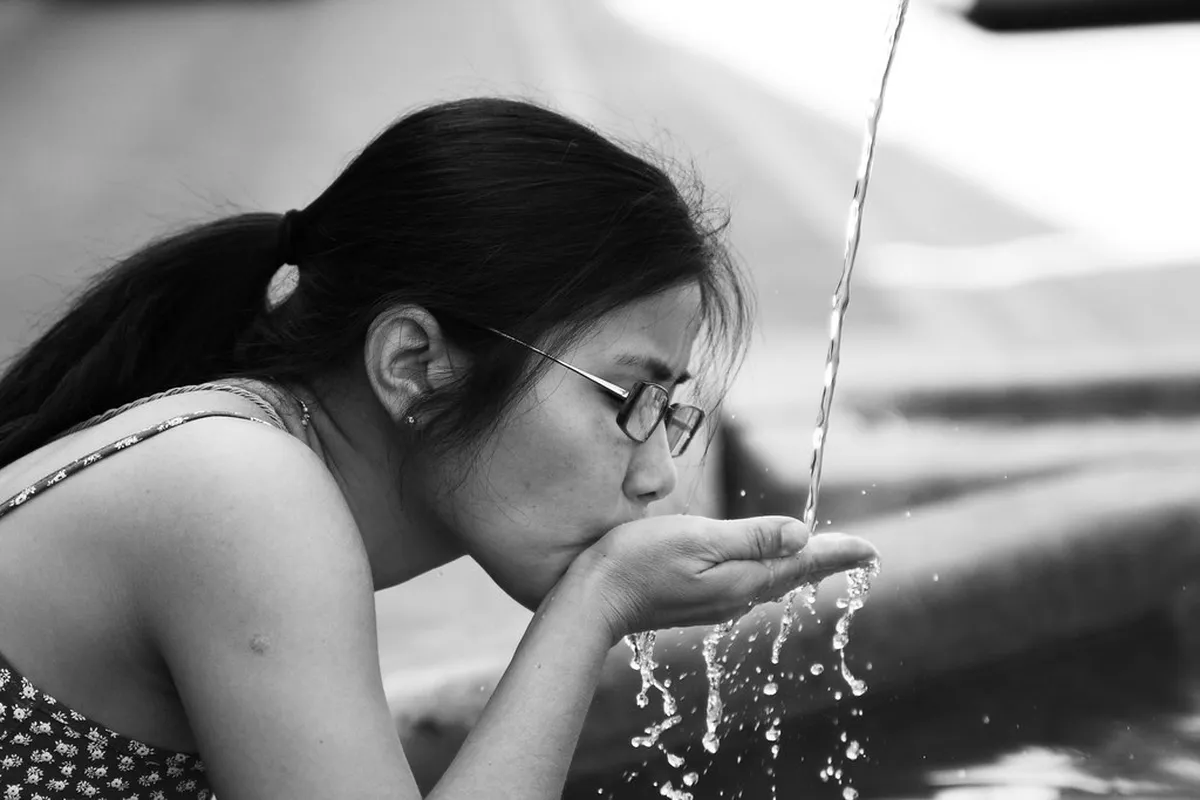
Most fountains in the UNESCO World Heritage site are drinkable. The water flows constantly from the decorative metal or stone pipes. You should drink from the flowing stream rather than the basin. This ensures you get the freshest water directly from the source.
Wait for a few seconds before filling your bottle or drinking. This allows any settled water to clear from the pipes. If you see a sign with a crossed-out glass, avoid that water. These non-potable fountains are very rare in the main tourist areas.
Historic Fountains on Your Walking Route
The city features eleven famous Renaissance fountains with colorful figures. You will see them while following a Bern historical fountains walking route map. Each fountain tells a unique story from the city's rich history. They serve as both art pieces and functional water stations.
The Renaissance fountains date back to the middle of the 16th century. Hans Gieng created many of these stunning and colorful sculptures. They represent various figures from local folklore and historical events. You can see these masterpieces while walking to the 11 Renaissance fountains in the center.
The Ogre Fountain is one of the most famous sights in town. It shows a giant eating children, which is a surprising image. Other fountains feature justice, bears, and brave soldiers from the past. Each stop provides a perfect photo opportunity for your travel album.
Practical Tips for Staying Hydrated
🎯 Insider Tip: Discover the best Bern experiences with Viator Tours!
Carry a reusable bottle to fill at the various spouts. The water remains cool even during the warm summer months of 2026. Most fountains are located in the middle of the main streets. This makes them very easy to find during your Bern historic fountains tour.
A sturdy reusable bottle is your best friend in Bern. Many shops sell high-quality Swiss bottles if you forget your own. Filling up at fountains is much cheaper than buying plastic bottles. It also helps keep the city clean and reduces plastic waste.
The water temperature stays around 10 to 12 degrees Celsius. This provides a natural cooling effect during your long summer walks. You will find fountains every few hundred meters along the main roads. This means you never have to carry a heavy water supply.
Best Times to Use the Fountains
These fountains operate throughout the year in the Swiss capital. They are especially refreshing during long walks in July and August. Morning hours offer the quietest times to admire the detailed carvings. You can enjoy a peaceful drink before the large tour groups arrive.
Visiting in 2026 will allow you to see these fountains in peak condition. The city often renovates the paint and stone to keep them bright. Early morning is the best time for a quiet walking tour. You can appreciate the details without the noise of the midday crowds.
Winter visits offer a different but equally beautiful experience for tourists. Some fountains may be covered with wooden sheds to prevent freezing. However, many continue to flow even in the cold Swiss winter. Always check the local weather before planning your daily walking route.
Finding Fountains Near Major Landmarks
💡 Pro Tip: Book your Bern adventures in advance through Viator for the best deals!
You will find water sources near the Zytglogge clock tower. Many fountains also sit close to the Bear Park and the Cathedral. Using a self-guided discovery walk helps you find them all easily. These locations are perfect for a quick break between sightseeing stops.
The Zähringer Fountain stands near the famous clock tower in the center. It honors the founder of the city and features a bear. You can take a refreshing drink here before watching the clock show. Many other fountains are located near the popular shopping arcades.
The arcades provide shade while you move between the different water stations. This layout makes it easy to stay cool and hydrated all day. You can easily find these spots using Bern old city walking routes for your trip. These paths connect the best fountains with the most iconic landmarks.
Frequently Asked Questions
🌟 Local Expert Tip: Get the most out of your Bern visit with guided tours!
Is it safe to drink from the public fountains in Bern?
Yes, it is very safe to drink from most fountains in Bern. The water is high-quality spring water that meets strict Swiss safety standards. Only avoid fountains marked with a "Kein Trinkwasser" sign. This makes a Bern historic fountains tour both educational and refreshing for all visitors.
Where can I find a map of drinking water fountains in Bern walking?
You can find maps at the local tourist office near the main station. Many digital guides also offer detailed routes through the Old City. These maps highlight the eleven main Renaissance fountains and smaller neighborhood spouts. Carrying a map ensures you never go thirsty while exploring the historical center.
What does the 'Kein Trinkwasser' sign mean in Switzerland?
The sign "Kein Trinkwasser" means the water is not for drinking. These signs are rare on the historic fountains in the city center. You will mostly find them on decorative garden features or industrial taps. Always look for this sign before filling your bottle at a new location.
Exploring the drinking water fountains in Bern walking is a highlight for many. It offers a unique blend of history, art, and practical utility. Plan your 2026 visit to include these beautiful and refreshing local landmarks. Stay hydrated and enjoy the beauty of this UNESCO World Heritage site.