
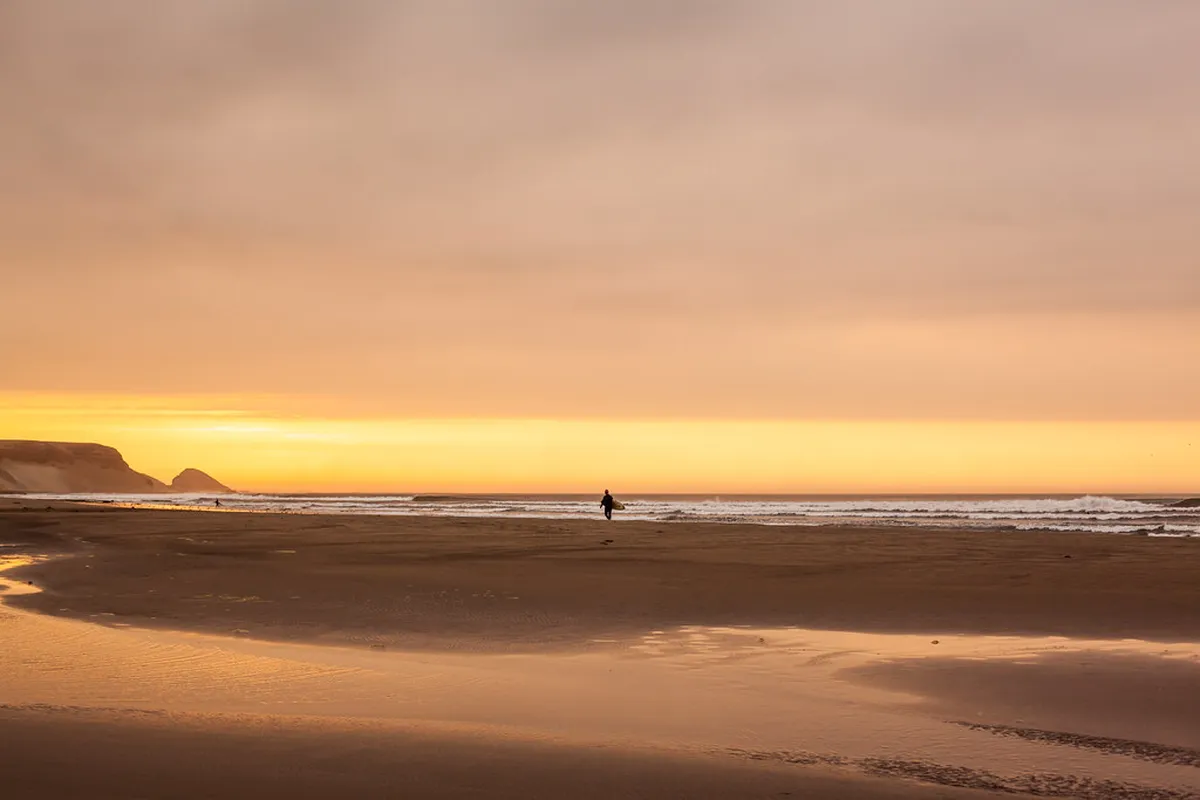
Best Photography Settings for Sunset Walks in Geneva
Geneva offers some of the most beautiful evening views in Europe. The golden hour light reflects perfectly off the calm lake water. You need the right photography settings for sunset walks in Geneva to capture this beauty. This guide will help you master your camera during your 2026 visit.
Essential Camera Basics for Geneva Sunsets
Start by setting your camera to Aperture Priority mode. This allows you to control the depth of field while the camera picks the shutter speed. Keep your ISO between 100 and 400 for the cleanest possible images. Higher ISO settings can introduce unwanted digital noise in your sunset photos.
Use an aperture of f/8 or f/11 for sharp landscape shots. These settings ensure that both the foreground and distant mountains remain in focus. If the light fades, you may need to open your aperture to f/4. Always check your histogram to ensure you are not losing detail in the shadows.
Shooting in RAW format is vital for sunset photography in Switzerland. RAW files preserve more data than standard JPEGs. This flexibility helps you recover details from the bright sky during editing. You can find the best sunset walks Geneva offers to practice these fundamental skills.
White balance is another critical setting for evening walks. Set your white balance to 'Cloudy' or 'Shade' to enhance the warm orange tones. This simple change makes the sunset colors look more vibrant and natural. Avoid using 'Auto White Balance' as it may neutralize the beautiful golden light.
Photography Settings for Sunset Walks in Geneva Landmarks
The Jet d'Eau is the most iconic subject in the city. To freeze the water droplets, use a shutter speed of 1/500s or faster. This requires a wider aperture or a slightly higher ISO setting. You want the water to look crisp against the darkening sky.
Alternatively, you can create a silky water effect with a slow shutter speed. Use a speed of 2 seconds or longer for this look. You will definitely need a tripod to keep the city buildings sharp. This technique works beautifully when the evening lighting on the Jet d'Eau walking route begins to glow.
Exposure compensation is your best friend during a Geneva sunset. The bright sky can often trick your camera into underexposing the foreground. Dial in +0.7 or +1.0 exposure compensation to brighten the city streets. Keep an eye on the highlights to avoid blowing out the sun.
Focusing can become difficult as the light levels drop. Use single-point autofocus and aim at a high-contrast edge of a building. Once focus is locked, switch to manual focus to prevent the lens from hunting. This ensures every shot of the historic architecture remains perfectly sharp.
Landscape Techniques for Lake Geneva Promenades
Walking along the lake provides endless opportunities for wide-angle shots. Position the shoreline in the bottom third of your frame. This follows the rule of thirds and creates a balanced composition. Use a wide-angle lens between 16mm and 35mm for the best results.
The reflection of the Alps on the water is a must-capture scene. Wait for a moment when the lake is perfectly still. Use a circular polarizer filter to manage reflections and boost color saturation. Follow our Lake Geneva promenade walking guide for the best vantage points.
During the blue hour, the city lights begin to twinkle. This happens about twenty minutes after the sun actually sets. Switch your camera to manual mode to balance the ambient light and street lamps. A shutter speed of 10 seconds often works well for these scenes.
Bracket your exposures if the contrast is too high. Take one photo for the sky and one for the foreground. You can merge these later using HDR software for a professional look. This is the best way to handle the bright Swiss sun and dark shadows.
Best Gear for Evening Photography in Switzerland
🎯 Insider Tip: Discover the best Geneva experiences with Viator Tours!
A sturdy but lightweight tripod is essential for sharp evening photos. Look for a carbon fiber model that fits easily in your travel bag. This allows you to use slow shutter speeds without any camera shake. It is a vital tool for any serious photographer in 2026.
Graduated Neutral Density filters help balance the bright sky and dark ground. These filters are darker at the top and clear at the bottom. They allow you to capture the full range of light in a single frame. This reduces the time you spend editing your photos later.
A remote shutter release prevents movement when you press the button. If you do not have one, use the built-in two-second timer. This small delay ensures the camera is perfectly still when the shutter opens. It makes a huge difference in the clarity of your Old Town historic walking tour photos.
Bring a microfiber cloth to wipe your lens frequently. The mist from the Jet d'Eau can quickly cover your glass in water spots. Check your lens every few minutes to ensure your images stay clear. A clean lens is the simplest way to improve your sunset photography.
Frequently Asked Questions
What is the best time for sunset photography in Geneva?
The best time is during the golden hour, which starts one hour before sunset. In summer 2026, this is usually around 8:30 PM. Arrive early to find the best spot along the lake for your camera setup.
Do I need a tripod for sunset walks in Geneva?
A tripod is highly recommended for the best results. It allows for lower ISO settings and longer exposures after the sun goes down. However, modern image stabilization can work for handheld shots during the early golden hour.
Which lens is best for Geneva city photography?
A versatile 24-70mm zoom lens is the best choice for most travelers. It allows you to capture wide landscapes and zoom in on distant mountain peaks. This range covers almost every scene you will encounter on a Geneva walk.
Capturing the perfect sunset in Geneva requires patience and the right settings. Use a low ISO and a steady tripod to ensure your 2026 photos look professional. Explore the different quays to find your favorite angle of this stunning Swiss city. Happy shooting on your next evening stroll!