
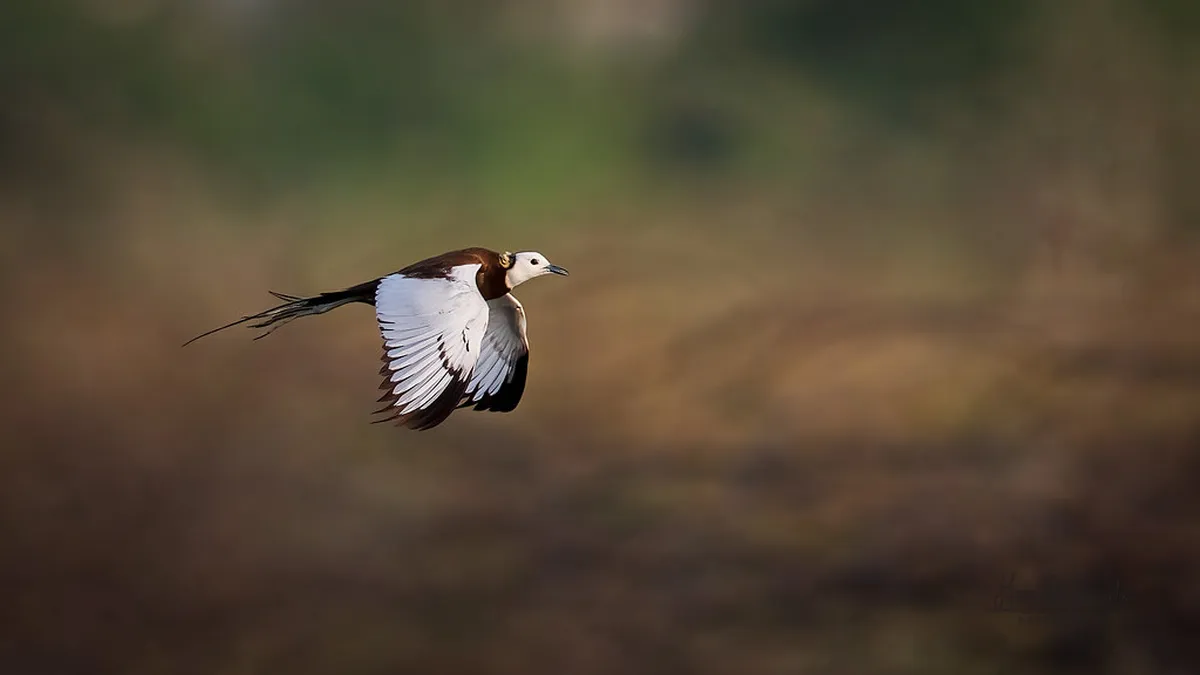
Guide to Wildlife Spotting During a Rhone River Walk in Geneva
Geneva offers a beautiful blend of urban life and natural beauty. The Rhone river flows through the city and provides homes for many animals. You can enjoy wildlife spotting during a Rhone river walk in Geneva very easily. This guide helps you find the best creatures during your 2026 visit.
Bird Species for Wildlife Spotting During a Rhone River Walk in Geneva
The Rhone river is a paradise for bird lovers in Switzerland. You will often see elegant Mute Swans swimming near the city bridges. These birds are very comfortable around people and offer great photo opportunities. Look for them near the Quai du Seujet during the morning hours.
Many migratory birds stop here during their long journeys across Europe. You might spot the Goosander diving deep into the cold water for fish. These ducks have thin, serrated bills that help them catch slippery prey. They are most active during the cooler months of the early year.
Grey Herons are another common sight along the Rhone river bank strolls Geneva enthusiasts love. These tall birds stand perfectly still in the shallow water to hunt. If you are lucky, you might see a bright blue Kingfisher. They fly very fast and low over the water surface.
Mammals Along the Rhone River Banks
Mammals are more secretive but very present along the river banks. European Beavers have made a strong comeback in the Geneva region recently. You can see evidence of their work on the trees along the path. Look for pointed tree stumps and wood chips near the water edge.
To see a beaver, you should start walking from Jonction to the Rhone river banks at dusk. These animals are nocturnal and become active as the sun sets. They swim quietly and often leave a V-shaped ripple in the water. Keep your movements slow to avoid startling these shy builders.
Red Squirrels live in the tall trees that line the river paths. They are very active during the day as they search for food. You will hear them chattering in the branches above your head. They are especially common in the wooded areas near the Bois-de-la-Bâtie park.
Aquatic Life in the Clear Rhone Waters
The water of the Rhone is remarkably clear as it leaves Lake Geneva. This clarity allows you to see fish from the pedestrian bridges. Brown Trout are common and prefer the faster-moving sections of the river. They often hide behind large rocks to save energy while waiting for food.
European Grayling also inhabit these clean waters throughout the year 2026. You can identify them by their large and colorful dorsal fins. They prefer the gravelly bottom of the riverbed in shallower areas. Watching them swim is a very peaceful experience for any nature lover.
The river ecosystem supports many smaller creatures that feed the larger animals. You might see freshwater sponges attached to submerged rocks or branches. Various insects like dragonflies and damselflies hover over the water during the summer. These small details make the river walk feel very alive and healthy.
Best Spots for Nature Observation
🎯 Insider Tip: Discover the best Geneva experiences with Viator Tours!
The Pointe de la Jonction is a famous spot for seeing nature. This is where the blue Rhone meets the brown Arve river. The mixing of the two colors is a stunning sight to behold. It is also a great place to see various water birds gathered together.
For a quieter experience, head further downstream toward the French border. The paths become more natural and have less urban noise here. This is the best time for a Rhone river walk in Geneva if you want solitude. You are more likely to see shy wildlife in these peaceful sections.
The Sentier du Rhône offers miles of walking paths right next to the water. Most of these paths are flat and very easy to walk. You will find many benches where you can sit and watch the animals. Take your time to explore the different sections of the river bank.
Essential Tips for Your 2026 Wildlife Walk
🎯 Insider Tip: Discover the best Geneva experiences with Viator Tours!
Timing is the most important factor for successful wildlife spotting in Geneva. Early morning is usually the best time for seeing birds and mammals. The city is quiet and animals feel safer moving around the banks. Plan to be on the path by 6:00 AM for the best results.
Bringing a pair of binoculars will greatly improve your viewing experience. You can see the details of bird feathers from a safe distance. A basic pair of binoculars costs around 100 CHF in local shops. This small investment helps you appreciate the beauty of the local nature.
Please remember to respect the environment while you are exploring the river. Do not feed the wild animals as it can harm their health. Stay on the marked paths to protect the sensitive river bank plants. Following these simple rules ensures that the wildlife stays healthy for everyone to enjoy.
Frequently Asked Questions
🎯 Insider Tip: Discover the best Geneva experiences with Viator Tours!
What is the best time for wildlife spotting in Geneva?
The best time for wildlife spotting is during the early morning or late evening. Animals are most active when the city is quiet and temperatures are cooler. You can find more details in our guide to scenic walks in Geneva 2026 for seasonal advice.
Are there beavers in the Rhone river in Geneva?
Yes, European Beavers live along the Rhone river banks in Geneva. They are most active at night but can be seen at dusk. Look for chewed tree trunks as a sign of their presence near the water.
Do I need special equipment to see wildlife on the Rhone?
No special equipment is required for a river walk. However, binoculars will help you see birds and fish more clearly. Comfortable walking shoes are recommended for the gravel paths along the river banks.
Wildlife spotting during a Rhone river walk in Geneva is a rewarding experience. You can see amazing birds, mammals, and fish right in the city. Plan your visit for 2026 and enjoy the natural side of Switzerland today.