
July 2026 Weather Conditions for Eiger Trail Hiking
Planning a Swiss hiking trip requires understanding the weather conditions for Eiger Trail in July 2026. This high-altitude path offers stunning views but demands careful preparation for summer mountain climates. You will experience warm sun, cool breezes, and potentially sudden alpine storms during your trek.
July Temperatures on the Eiger Trail
July 2026 brings the warmest temperatures of the year to the Bernese Oberland region. Hikers can expect daytime temperatures to range between 10°C and 20°C (50°F to 68°F). The air feels much warmer when the sun reflects off the limestone rocks. Always check the local forecast before leaving your hotel in the morning.
The temperature drops significantly as you gain elevation toward the Eigergletscher station. It is often 5 to 10 degrees cooler at the top than in Grindelwald village. Morning hikers will encounter crisp air that warms up rapidly by noon. Reviewing a detailed Eiger Trail hiking guide 2026 helps you plan for these changes.
Nighttime temperatures in the mountains can still hover near freezing even during mid-summer. This creates a refreshing start for those who begin their hike at sunrise. The rocks retain heat during the day but cool down quickly once the sun sets. You should always carry a light fleece for these cooler transition periods.
Humidity levels remain relatively low during the Swiss summer, making the heat feel quite dry. This makes climbing the steep sections more comfortable than in tropical climates. However, the dry air can lead to faster dehydration if you are not careful. Drink plenty of water throughout your journey to stay energized.
Managing Sudden Alpine Weather Changes
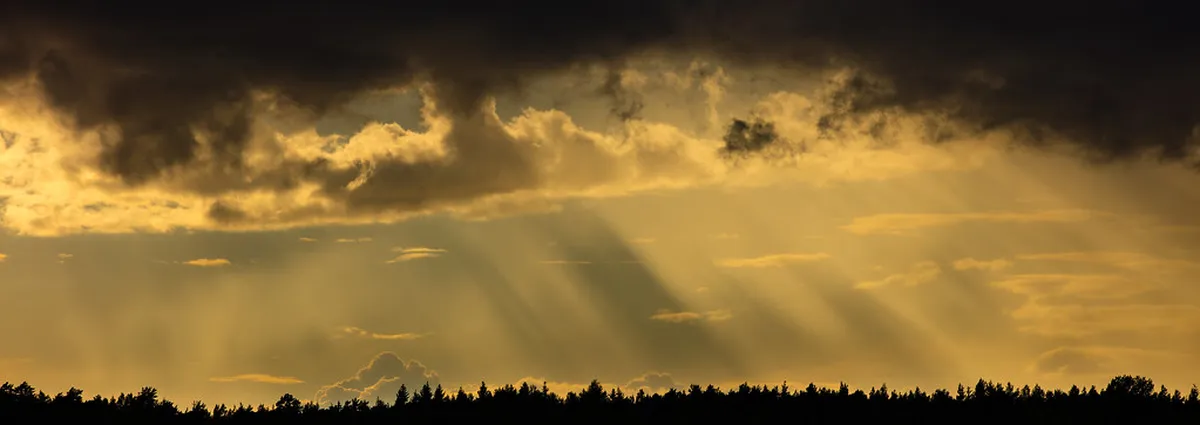
The weather conditions for Eiger Trail in July 2026 include the risk of afternoon thunderstorms. These storms often build up quickly after a morning of intense heat and sunshine. Clouds can roll over the Eiger North Face and obscure your path within minutes. Visibility drops fast when mountain mist settles on the rocky terrain.
Thunderstorms in the Alps are powerful and often bring heavy rain or even small hail. If you hear thunder, you must seek lower ground and move away from ridges. Metal cables or ladders on the trail can become dangerous during a lightning storm. It is best to finish your hike by early afternoon to avoid these risks.
Wind is another factor to consider when hiking near the massive Eiger rock wall. Gusts can pick up speed as air is pushed through the narrow mountain passes. These winds might feel cooling at first but can lead to a rapid chill. Ensure you know how to get to Eigergletscher station from Grindelwald quickly if conditions turn bad.
Always watch the horizon for dark, towering clouds that signal an approaching weather front. Local mountain apps provide real-time radar images that are very helpful for hikers. If the sky turns grey, consider turning back or heading to the nearest station. Safety should always be your top priority when exploring the high Alps.
Sun Exposure and Heat Safety Tips
Sun intensity increases greatly at high altitudes because the atmosphere is much thinner. You will burn much faster on the Eiger Trail than you would at sea level. The white limestone rocks also reflect UV rays directly back onto your skin. This makes high-quality sun protection essential for every hiker in July 2026.
Apply a broad-spectrum sunscreen with at least SPF 50 before you start your climb. Reapply the cream every two hours, especially if you are sweating heavily. Wear a wide-brimmed hat and polarized sunglasses to protect your eyes from the glare. Long-sleeved shirts made from breathable fabric offer the best protection against the sun.
There is very little natural shade along the Eiger Trail due to the high elevation. You will be exposed to direct sunlight for the majority of the three-hour trek. Take short breaks in the shadow of large boulders to lower your body temperature. This is also a great time to use photography tips for Eiger North Face mountain views while resting.
- Carry at least two liters of water per person for the hike.
- Add electrolyte tablets to your water to replace salts lost through sweat.
- Avoid hiking during the hottest part of the day if possible.
- Watch for signs of heat exhaustion like dizziness or extreme fatigue.
Gear for July Weather Conditions
⭐ Recommendation: Don't miss out on amazing Grindelwald tours - book now!
Proper gear is vital for handling the diverse weather conditions for Eiger Trail in July 2026. Even on a sunny day, you must carry a lightweight waterproof jacket in your pack. Sudden rain can make the temperature drop and the rocks very slippery. A windbreaker is also useful for the breezy sections near the Eigergletscher station.
Your choice of shoes will determine your comfort on the uneven and rocky trail surface. Look for boots with excellent grip to handle both dry dust and wet stones. You can find more details on the best footwear for Eiger Trail rocky terrain in Grindelwald online. Sturdy soles protect your feet from the sharp edges of the scree slopes.
Layering your clothing is the most effective way to stay comfortable in the mountains. Start with a moisture-wicking base layer to keep your skin dry while climbing. Add a light insulating layer that you can easily remove as the day warms up. This flexibility allows you to adapt to the changing microclimates along the North Face.
Do not forget to pack a small first aid kit and an emergency whistle. A mobile phone with a full battery is essential for checking weather updates and maps. Many hikers also find trekking poles helpful for stability on the steep downhill sections. These tools reduce the impact on your knees during the long descent toward Alpiglen.
Frequently Asked Questions
Is there still snow on the Eiger Trail in July 2026?
Most snow on the Eiger Trail typically melts by late June or early July. You might see small patches of snow in shaded gullies near the rock walls. These patches are usually easy to cross with standard hiking boots. Always check local trail reports for any late-season snow updates.
What should I do if it starts raining on the trail?
If light rain begins, put on your waterproof gear and continue carefully. The rocks can become very slippery when wet, so watch your footing. If the rain becomes heavy or includes thunder, head to the nearest mountain hut or train station immediately. Do not stay on exposed ridges.
Can I hike the Eiger Trail in running shoes in July?
While some people use trail running shoes, standard road sneakers are not recommended. The Eiger Trail features sharp rocks and loose scree that require better protection and grip. Sturdy hiking shoes or boots provide the ankle support needed for the steep and uneven terrain found here.
Understanding the weather conditions for Eiger Trail in July 2026 ensures a safe and enjoyable hike. Respect the power of the mountains by preparing for sun, wind, and sudden storms. Pack your gear carefully and start your adventure early to enjoy the best views of Grindelwald.