
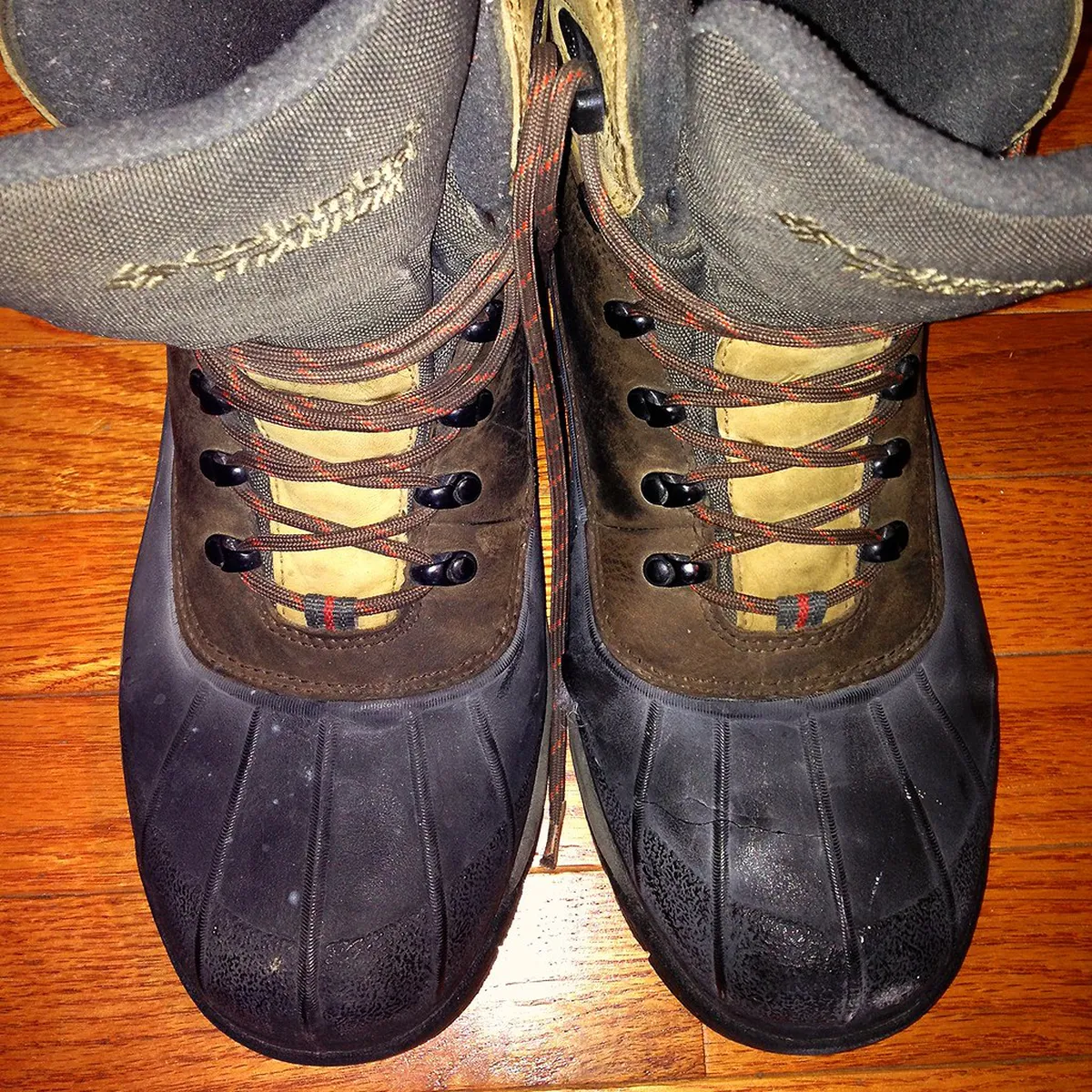
Best Winter Hiking Boots for Zermatt Snowy Walks in 2026
Choosing the right winter hiking boots for Zermatt snowy walks is essential for a great Swiss holiday. These specialized boots provide the necessary grip and insulation for the cold Swiss mountain climate during 2026. High-quality footwear allows you to explore the stunning alpine scenery without worrying about cold or wet feet.
Essential Features for Zermatt Winter Boots
Proper insulation is the most important feature for any winter footwear used in the high Swiss Alps. You should look for boots with at least 200 grams of synthetic insulation like Thinsulate or PrimaLoft. These materials effectively trap body heat even when the mountain temperatures drop well below freezing during January.
Reliable waterproofing is another vital requirement for navigating the deep snow found around the Matterhorn glacier paradise. Choose boots that feature a breathable Gore-Tex membrane to keep moisture out while allowing sweat to escape. Dry feet are much less likely to develop painful blisters or suffer from the biting winter cold.
Traction is critical when you are walking on the steep and often icy paths throughout the Zermatt region. Look for outsoles made from specialized winter rubber compounds that remain flexible and sticky in very low temperatures. Deep lugs on the bottom of the boots will provide the necessary bite into packed snow surfaces.
Strong ankle support helps you maintain balance while walking on the uneven terrain hidden beneath the fresh snow. Mid-cut or high-cut boots offer the best stability and help prevent common injuries like rolled or strained ankles. Secure lacing systems allow you to customize the fit for maximum comfort during long mountain treks.
Top Winter Hiking Boots for Zermatt Snowy Walks
Insulated leather boots are a fantastic choice for those who want a blend of style and technical performance. These boots offer excellent durability and naturally mold to the shape of your feet over time for comfort. They are perfect for walking from the village center to the many cozy mountain huts for lunch.
Technical synthetic boots are often much lighter and more flexible than traditional leather options for active mountain hikers. Many modern designs include integrated gaiters that help keep deep snow from entering the top of your boots. You can find many of these styles in our Zermatt winter walking paths guide for your next adventure.
Heavy-duty pac boots are the warmest option available for travelers who plan to spend hours standing in snow. These boots feature a thick rubber shell and a removable felt or wool liner for maximum thermal protection. While they are less agile for steep hiking, they are ideal for evening strolls and village events.
Always try on your boots with the specific socks you plan to wear during your Swiss winter trip. You may need to size up slightly to accommodate thicker wool socks without restricting your blood circulation. A proper fit ensures your toes have enough room to move and stay warm in the cold.
Essential Accessories for Swiss Winter Trails
Micro-spikes are a must-have accessory for anyone planning to tackle the more shaded or steep winter trails. These metal spikes easily strap onto your winter hiking boots to provide aggressive grip on hard-packed ice. They are lightweight enough to carry in your daypack and can be put on in seconds when needed.
Waterproof snow gaiters provide an extra layer of protection by sealing the gap between your pants and boots. They are especially useful after a fresh snowfall when the powder can easily spill over your boot collars. Gaiters also help keep your lower legs warm and dry by blocking the cold mountain wind.
High-quality merino wool socks are the best companion for your insulated winter hiking boots on long mountain walks. Merino wool naturally wicks moisture away from your skin to keep your feet dry and odor-free all day. Please review our safety tips for Zermatt winter mountain walks for more gear advice.
Regular maintenance will extend the life of your expensive winter footwear and ensure they remain waterproof for years. Clean your boots with a soft brush and lukewarm water after every walk to remove salt and dirt. Apply a specialized waterproofing spray every few weeks to maintain the protective barrier on the outer material.
Where to Buy or Rent Boots in Zermatt
💡 Pro Tip: Book your Zermatt adventures in advance through Viator for the best deals!
Zermatt features many world-class sports shops located conveniently along the main Bahnhofstrasse in the center of the village. You can find the latest 2026 gear from premium brands like Lowa, Meindl, and Mammut in these stores. Expert local staff can provide professional fitting services to ensure you choose the right boot model.
Renting is a very smart and cost-effective option if you only plan to hike for a few days. Most shops offer high-quality winter hiking boots for daily rental at very reasonable prices for tourists. This allows you to use professional-grade equipment without the need to pack heavy boots in your luggage.
Check out the scenic walks in Zermatt 2026 to decide which trails you want to explore first. Shops like Bayard Sports or Dorsaz Sport have a wide range of sizes and technical styles available. Rental prices typically range from 25 to 40 Swiss Francs per day for high-quality winter boots.
Booking your rental equipment online in advance can often save you money and ensure your size is available. Many shops also offer package deals that include boots, poles, and even warm winter clothing for your trip. Always bring your own socks to the fitting to ensure the most accurate and comfortable size.
Frequently Asked Questions
Can I wear regular sneakers for Zermatt snowy walks?
Regular sneakers are not recommended for Zermatt snowy walks because they lack insulation and proper traction. Sneakers will quickly become wet and cold, leading to discomfort and a high risk of slipping on ice. Always wear insulated, waterproof boots for safety.
Do I need to buy boots or can I rent them in Zermatt?
You can easily rent high-quality winter hiking boots at several sports shops in Zermatt village. Renting is a great way to access professional gear without the high cost of purchasing. Most shops offer daily rates between 25 and 40 CHF.
What are the best socks for winter hiking in Switzerland?
Merino wool socks are the best choice for winter hiking in Switzerland because they are warm and breathable. They wick moisture away from your feet, which prevents cold toes and blisters. Avoid cotton socks as they trap moisture and lose insulation when wet.
Investing in the right winter hiking boots for Zermatt snowy walks will make your 2026 Swiss trip unforgettable. Quality footwear ensures you stay warm, dry, and safe while exploring the beautiful alpine trails. Always remember to how to check Zermatt winter trail status before you head out into the mountains.