
Discover Zermatt Village Walks and History in 2026
Zermatt is a stunning car-free village nestled deep within the Swiss Alps. Visitors love exploring Zermatt village walks and history throughout the entire 2026 season. This guide helps you find hidden gems in this famous mountain town. Get ready to discover the magic of the Matterhorn's home today.
Ancient Roots of Zermatt Village Walks and History
Zermatt began as a small farming community many centuries ago. The name comes from "zur Matte" meaning "at the meadow." Early residents lived simple lives in these high mountains. They raised cattle and farmed small plots of land for survival.
Life changed forever in the mid-19th century for this quiet town. Explorers began arriving to conquer the massive surrounding mountain peaks. The first ascent of the Matterhorn happened in July 1865. This event put Zermatt on the global tourism map forever.
You can still see traces of this early history today. Many original structures remain standing in the busy village center. These buildings tell stories of a very difficult mountain lifestyle. They contrast sharply with the luxury hotels found nearby.
Understanding this past makes your walk much more meaningful. You see how the village adapted to extreme Alpine weather. The history of Zermatt is a story of human resilience. It is a journey through time and beautiful nature.
Exploring the Old Hinterdorf District
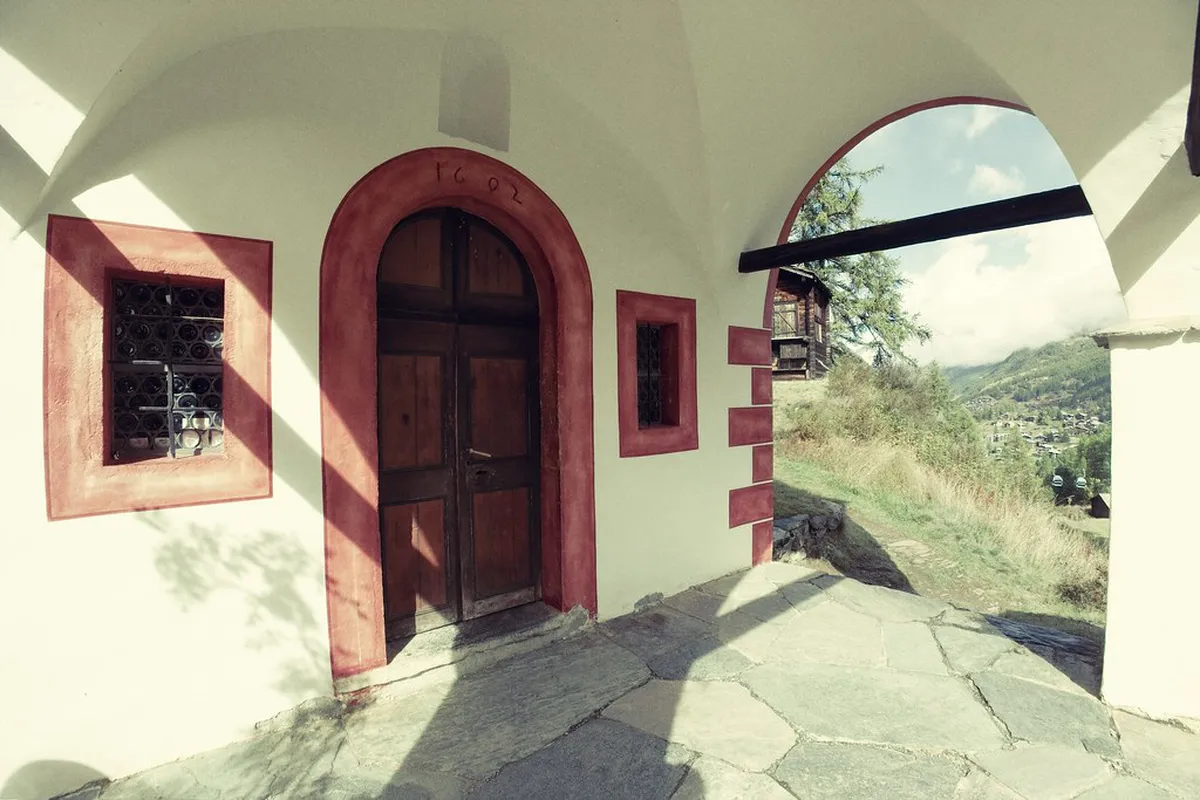
The Hinterdorf is the oldest part of the entire village. It features more than 30 buildings from the 16th century. These structures are made of dark, sturdy larch wood. They have survived for hundreds of years in the cold.
Look for the flat stone discs under the wooden barns. These "mouse stones" kept rodents out of the grain stores. This clever design was essential for survival during long winters. Follow an old village Zermatt walking route and map to find them.
The narrow lanes in Hinterdorf feel like a giant maze. You will walk past ancient stables and old storehouses. The wood has turned black from the intense mountain sun. It is a peaceful place away from the main crowds.
Take your time to notice the small architectural details here. Some houses have dates carved into their wooden beams. These carvings show when the family built the home. It is a living museum in the heart of Zermatt.
Most of these buildings are privately owned by locals today. Please respect the residents while you explore the area. Stay on the marked paths and keep noise levels low. This preserves the quiet atmosphere of the old town.
Honors at the Mountaineers’ Cemetery
The Mountaineers’ Cemetery is a deeply moving historical site. It is located next to the St. Mauritius Church. This area honors those who lost their lives climbing peaks. It serves as a reminder of the mountain's power.
Many graves belong to young climbers from the 19th century. You will see names from all over the world. Some stones feature climbing equipment like ropes and axes. A mountaineers cemetery walking tour provides more context on these stories.
One famous grave belongs to Peter Taugwalder and his son. They were guides on the first Matterhorn ascent. Their story is central to the history of the village. Visiting here is a quiet and respectful experience.
The cemetery is open to the public for free. It is best visited during the early morning hours. The morning light creates a peaceful mood for reflection. It is a must-see stop on any village walk.
Modern Life on Bahnhofstrasse Street
💡 Pro Tip: Book your Zermatt adventures in advance through Viator for the best deals!
Bahnhofstrasse is the main street of Zermatt village. It is always buzzing with energy and tourist excitement. Here, you will find luxury watches and Swiss chocolate. It is the perfect place for a leisurely stroll.
The street is completely car-free, like the rest of Zermatt. Only small electric taxis and horse carriages are allowed here. This makes walking very safe and enjoyable for families. Enjoy evening strolls through Zermatt car-free streets with ease.
Stop at the Kirchbrücke bridge for the best Matterhorn views. This is one of the best Zermatt village photo spots for 2026. The mountain looks incredible as the sun begins to set. It is a classic Zermatt experience for every traveler.
There are many cafes along the street for a break. Try a traditional Swiss pastry or a warm coffee. The people-watching here is some of the best in Europe. You will see hikers, skiers, and locals mingling together.
Shopping on Bahnhofstrasse offers a wide variety of goods. You can find high-end fashion and local handmade crafts. Most shops open around 9:00 AM and close at 6:30 PM. Remember that many places close for lunch in the afternoon.
Practical Tips for Your Village Stroll
Walking in Zermatt requires some basic preparation for comfort. Even though it is a village, paths can be steep. Wear comfortable shoes with good grip for the cobblestones. Check Zermatt hiking gear essentials for more footwear advice.
The weather in the Alps can change very quickly. Always carry a light jacket, even on sunny days. Sunscreen is also vital due to the high altitude. The sun is much stronger at 1,600 meters high.
Most village walks take between one and three hours. This depends on how often you stop for photos. The village is compact and very easy to navigate. You can find many scenic walks in Zermatt starting from the center.
Water fountains are located throughout the village for public use. The water is fresh, cold, and safe to drink. Carry a reusable bottle to stay hydrated during your tour. This is an eco-friendly way to enjoy your visit.
Public restrooms are available near the train station and church. They are usually very clean and well-maintained for visitors. Some may require a small coin for entry. Always keep a few Swiss francs in your pocket.
Frequently Asked Questions
💡 Pro Tip: Book your Zermatt adventures in advance through Viator for the best deals!
Where is the best place to start a village walk?
The best place to start is the Zermatt train station. Most visitors begin their journey here on Bahnhofstrasse. From this point, you can easily reach the old village and the church. It is the central hub for all village activities.
How long does a historical tour of Zermatt take?
A self-guided historical tour usually takes about two hours. This allows enough time to see the Hinterdorf and the cemetery. You can move faster if you do not stop for photos. Most people prefer a slow and steady pace.
Is the Zermatt village walk accessible for strollers?
Yes, most of the village is very stroller-friendly. The main streets are flat and paved for easy movement. However, some lanes in the Hinterdorf are narrow and steep. You may need to take alternative routes in those areas.
Are there guided history tours available in Zermatt?
The local tourism office offers guided village walks regularly. These tours provide deep insights into the local culture and past. You can book them online or at the office. They are a great way to meet other travelers.
Exploring Zermatt village walks and history is a highlight of any trip. You will enjoy a unique blend of past and present. Take your time to soak in the mountain atmosphere today. Plan your visit for 2026 and experience this Swiss magic yourself.