
The Ultimate Cabo da Roca Hiking Guide for 2026
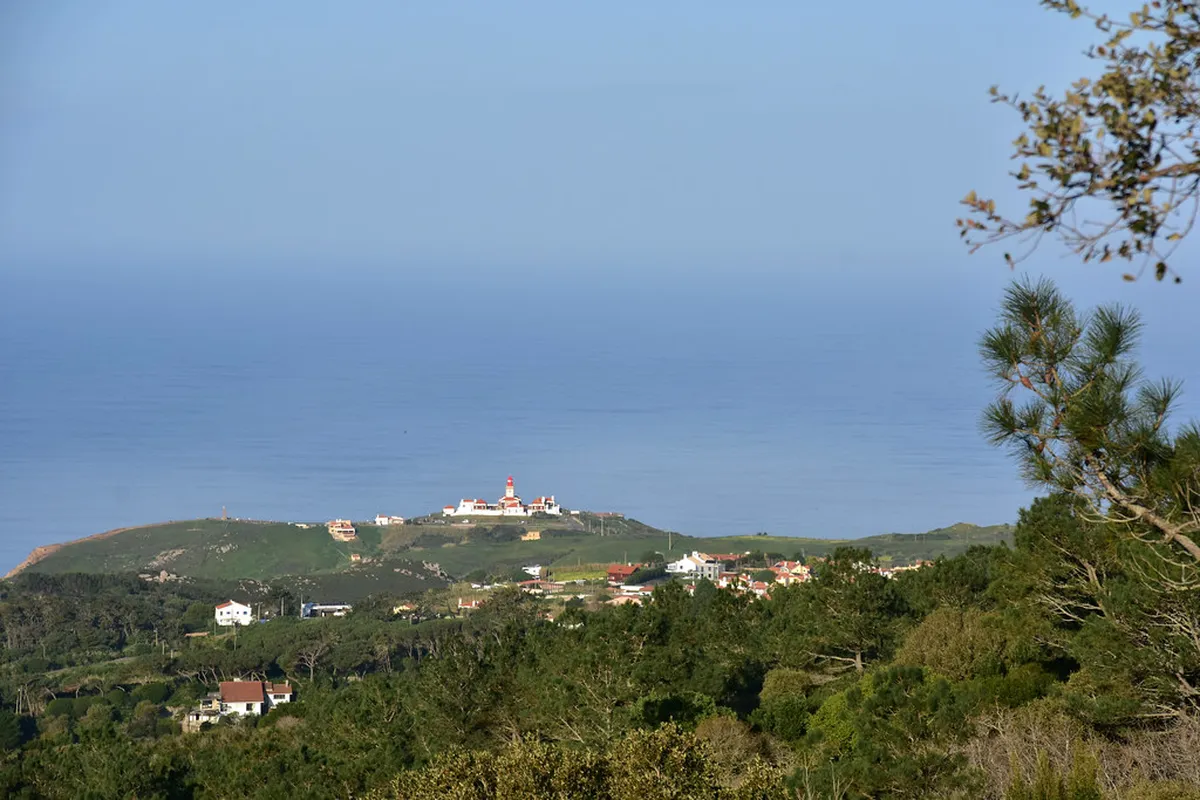
Exploring the rugged Portuguese coastline offers a truly thrilling experience for every adventurous outdoor lover. This comprehensive Cabo da Roca hiking guide helps you navigate the famous westernmost point of Europe. You will find dramatic cliffs and hidden beaches along these popular trails located near Cascais. Plan your 2026 adventure today to witness the raw and powerful beauty of the Atlantic Ocean.
Getting to the Edge of Europe for Your Hike
For practical details and last-minute changes, use Cascais travel info.
You can find the latest updates on Cascais travel info.
Reaching the trailhead is the very first step for your coastal adventure in sunny Portugal. Most travelers start their exciting journey from the charming and historic seaside town of Cascais. You can take the 403 bus which runs regularly between the towns of Cascais and Sintra. Learn more about how to get to Cabo da Roca for hiking before you leave your hotel.The bus journey takes approximately forty minutes and offers beautiful views of the local countryside. If you prefer to drive, there is a large parking area located right by the lighthouse. Be aware that parking spaces fill up very quickly during the busy summer months of 2026. Arriving early in the morning ensures you find a spot and avoid the largest tourist crowds.
Taxis and ride-sharing services are also available for those who want a more direct transport option. These services provide a comfortable way to reach the cliffs without worrying about bus schedules or parking. The cost for a one-way trip from central Cascais usually ranges between fifteen and twenty-five euros. Make sure to arrange your return trip in advance as signals can be weak at the point.
Once you arrive at the lighthouse, take a moment to visit the local tourist information center. You can obtain physical maps and ask about any temporary trail closures in the Sintra-Cascais Natural Park. The staff provides excellent advice on current path conditions and expected weather changes for the day. This preparation ensures your hike starts smoothly and stays on the right track from the beginning.
Cabo da Roca Hiking Guide: Top Local Routes
Several distinct trails offer stunning views of the vast ocean and the iconic red lighthouse. The path leading to Praia da Ursa remains the most popular route for adventurous local hikers. This specific trail is quite steep but leads directly to one of the most beautiful beaches. Check out the best hiking trails starting from Cabo da Roca for more exciting options.
The northern trail toward Adraga beach provides a longer and more challenging experience for experienced trekkers. You will walk along the high cliff tops while listening to the powerful waves crashing below. The terrain consists of loose rocks and narrow dirt paths that require your full attention and care. This route typically takes about three hours to complete if you maintain a steady walking pace.
For a shorter walk, follow the coastal perimeter near the lighthouse to see the monument markers. This easy loop is perfect for families or those who want a less strenuous outdoor experience. You can still see the dramatic vertical drops and the endless horizon of the Atlantic Ocean. Many visitors choose this path to take spectacular photos without committing to a full day of hiking.
- Praia da Ursa: A steep 40-minute descent to a secluded and rocky beach.
- Adraga Coastal Path: A 7-kilometer trek offering panoramic views and challenging elevation changes.
- Lighthouse Loop: A flat 1.5-kilometer walk suitable for all fitness levels and ages.
Each route offers unique geological features such as limestone formations and rare coastal vegetation species. You might even spot local birds of prey soaring above the cliffs during the quiet morning hours. Take your time to enjoy the scenery and respect the natural environment by staying on the paths. These trails represent the wild heart of the Portuguese coast and deserve your careful exploration.
Essential Gear for Your Coastal Trekking Trip
Proper equipment ensures your safety while trekking along the high and windy coastal cliffs of Portugal. Strong winds are very common at the lighthouse, so bring a light and reliable windproof jacket. Sturdy hiking boots are necessary because the paths are often rocky, slippery, and very uneven. Review the essential gear for hiking the Cabo da Roca trails to prepare fully.
Sun protection is vital even on cloudy days because the coastal breeze masks the sun's actual intensity. Apply high-factor sunscreen and wear a hat that fits securely to your head during the hike. Sunglasses will protect your eyes from the bright glare reflecting off the blue Atlantic waters. Carrying a small first-aid kit with bandages and antiseptic is always a smart and practical idea.
Hydration is another critical factor to consider before you set out on the dusty coastal trails. There are no water stations along the paths, so carry at least two liters of fresh water. Bring high-energy snacks like nuts, fruit, or energy bars to maintain your stamina throughout the day. A small backpack with comfortable straps will make carrying these essentials much easier for your back.
Mobile phone reception can be inconsistent, so downloading offline maps is a very helpful safety measure. Consider bringing a portable power bank to ensure your phone battery lasts for the entire journey. You might also want to carry a whistle for emergencies and a lightweight emergency thermal blanket. Being well-prepared allows you to focus on the incredible views and enjoy your 2026 hiking trip.
Safety Tips for Navigating the High Cliffs
⭐ Recommendation: Don't miss out on amazing Cascais tours - book now!
Safety is a major priority when walking near the edge of these massive and crumbling cliffs. Always stay behind the wooden barriers and follow the official signs to avoid dangerous falls. Many visitors wonder is hiking at Cabo da Roca safe for beginners before they start. The answer is yes, provided you respect the barriers and do not take unnecessary risks.
The ground near the cliff edges can be unstable due to constant erosion from the sea. Sudden gusts of wind can also push you off balance if you are standing too close. Never cross the safety fences just to take a photograph or get a better view. Your safety is far more important than any picture you might want to share on social media.
It is always best to hike with a partner or inform someone about your planned route. If you are hiking alone, make sure your phone is fully charged and your location is shared. Be aware of the time and try to finish your hike well before the sun sets. The trails become much more difficult to navigate once the natural light begins to fade away.
If the weather turns bad or the winds become too strong, it is wise to turn back. Do not attempt to descend steep paths like the one to Praia da Ursa during rain. Wet rocks become extremely slippery and increase the chance of a serious accident on the trail. Respecting the power of nature ensures that your visit to Cabo da Roca remains a positive memory.
Best Time to Visit Cabo da Roca in 2026
Understanding the local climate helps you choose the perfect day for your exciting coastal trek. Spring and autumn provide the most comfortable temperatures for long and strenuous outdoor walks in 2026. Check the weather conditions for hiking at Cabo da Roca 2026 for the latest updates. Morning hikes are often better to avoid the strong afternoon sun and heavy winds.
Summer brings beautiful clear skies but can also feature intense heat and very large tourist crowds. If you visit in July or August, start your hike at sunrise to beat the temperature. Bring extra water and take frequent breaks in the shade of the lighthouse or local cafes. The sunset during these months is spectacular but the area remains crowded until very late.
Winter offers a different kind of beauty with powerful storms and crashing waves against the cliffs. However, the trails can be muddy and the visibility is often reduced by thick coastal fog. If you choose to hike in winter, check the marine forecast for any dangerous swell warnings. Always wear layers of warm clothing to protect yourself from the cold Atlantic sea breeze.
The flowers in late spring create a colorful carpet across the green landscape of the park. You will see yellow and pink blooms that only appear for a few weeks each year. This season is ideal for photography enthusiasts who want to capture the coast at its brightest. Plan your visit for late April or May to experience this stunning natural display.
Exploring the Trails Near Guincho Beach
You can extend your hike by heading south toward the famous and windy Guincho beach. This route offers a different perspective of the diverse Sintra-Cascais Natural Park landscape. The Guincho beach coastal hiking trails are perfect for those seeking much longer distances. You will pass through unique sand dunes and rocky outcrops along this scenic coastal path.
The walk from the lighthouse to Guincho takes approximately two to three hours of steady trekking. You will see surfers catching waves at the beach as you approach the final destination. This area is famous for its strong winds and is a world-class spot for kitesurfing. There are several excellent seafood restaurants near the beach where you can enjoy a well-deserved meal.
From Guincho beach, you can easily take a local bus back to the center of Cascais. Alternatively, a wooden boardwalk connects the beach to the nearby town of Oitavos for more walking. This section is much flatter and provides a relaxing end to a day of cliff hiking. It is a great way to see more of the coastline without climbing steep hills.
The transition from high cliffs to sandy dunes is a fascinating geological feature of this region. Keep an eye out for local wildlife like lizards and small rabbits in the brush. The air here is incredibly fresh and filled with the scent of the salty ocean. This southern route is a fantastic addition to any Cabo da Roca hiking itinerary.
Frequently Asked Questions
How long does it take to hike at Cabo da Roca?
A typical hike at Cabo da Roca takes between one and four hours depending on your route. The easy lighthouse loop takes thirty minutes, while the trek to Praia da Ursa takes about ninety minutes round-trip. Always allow extra time for photos and resting. Explore trail options for more details.
Is the trail to Praia da Ursa difficult for beginners?
The trail to Praia da Ursa is considered moderate to difficult due to its very steep and rocky terrain. Beginners can manage it with good shoes and a slow, careful pace during dry weather. Avoid this path during rain as it becomes dangerously slippery. Check safety tips before you go.
Are there entrance fees for the Cabo da Roca trails?
There are currently no entrance fees to access the hiking trails or the lighthouse area at Cabo da Roca. Parking is also free, though it can be difficult to find a spot during peak hours. You only need to pay for personal transport or food at the local cafe.
What is the best way to get from Cascais to Cabo da Roca?
The best way is taking the 403 bus from the Cascais terminal, which is affordable and convenient. You can also drive a rental car or use a ride-sharing app for more flexibility. Read our transport guide for bus schedules and driving directions.
Following this Cabo da Roca hiking guide ensures a safe and memorable visit to Portugal's wild coast. Remember to wear proper boots, carry plenty of water, and always respect the safety barriers. The stunning views of the Atlantic cliffs will surely be a highlight of your 2026 trip. Start planning your walk today by checking the scenic walks in Cascais for more inspiration.