
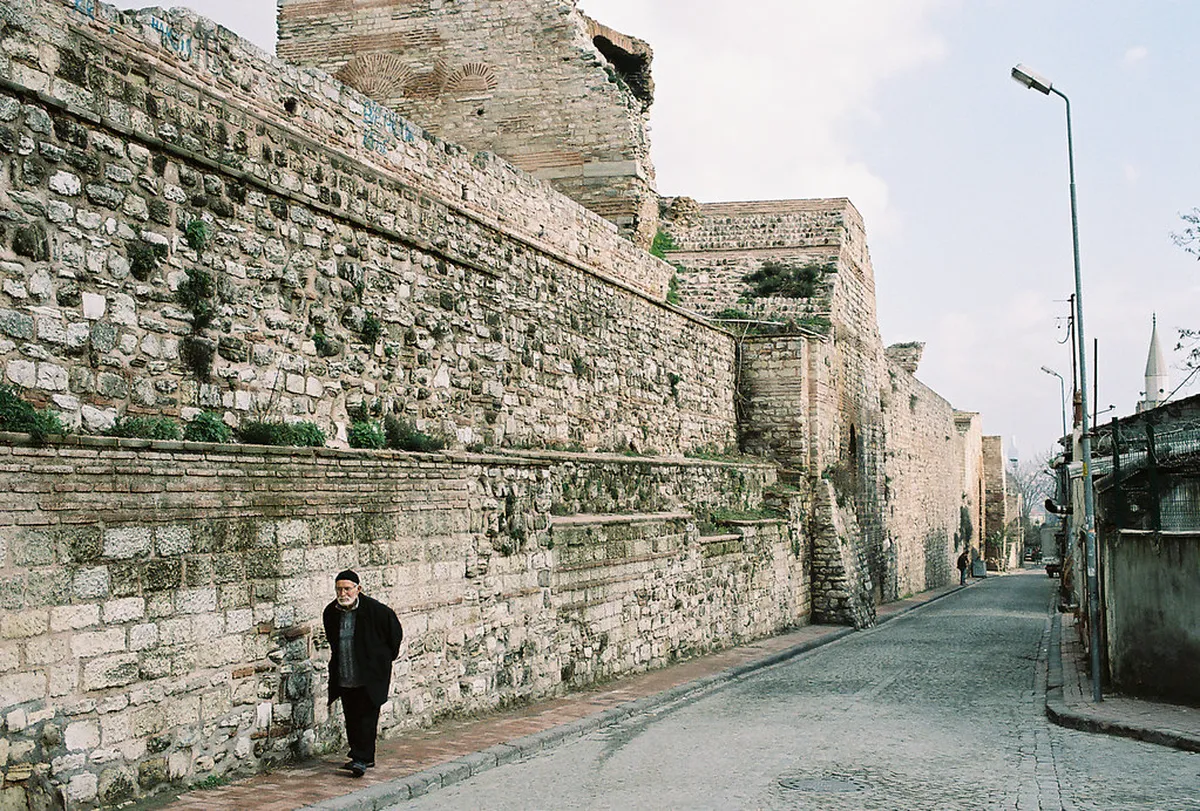
How to Enjoy Walking Along the Old Walls of Guimarães
Walking along the old walls of Guimarães offers a unique journey through Portuguese history in 2026. This ancient city served as the first capital of Portugal many centuries ago. You will find well-preserved stone structures that tell stories of medieval battles and royal triumphs. Exploring these fortifications is the best way to see the historic center from a new perspective.
Finding the Best Starting Points
You should start your journey at the famous Largo do Toural in the heart of the city center. This large square features the iconic "Aqui Nasceu Portugal" sign written on a section of the old wall. Many visitors begin their exploration here to capture photos of this historic landmark before heading further uphill. The square is easy to find and serves as a central hub for all local transport.
From Largo do Toural, you can follow the visible stone remnants toward the northern part of the town. The walls are not always continuous, so you must look for the distinct granite blocks between modern buildings. Walking toward the castle will lead you past several small gardens and narrow medieval streets. This initial stretch provides a great introduction to the scale of the original city defenses.
Most travelers find that starting early in the morning helps avoid the largest groups of daily tour buses. The path is generally open to the public at all hours without any specific entry fees or tickets. You can spend about thirty minutes exploring this lower section before moving toward the higher fortifications. Check local maps near the square to identify the most efficient route for your morning walk.
Following the Guimarães City Wall Paths
The most popular Guimarães city wall paths lead visitors toward the impressive castle grounds. You will walk along cobblestone streets that parallel the remaining sections of the high defensive stone walls. These paths are well-marked with signs that explain the historical significance of each specific defensive tower. The incline is steady but manageable for most people with a basic level of physical fitness.
As you move higher, the views of the red-tiled roofs in the old town become much more impressive. You can see how the city expanded outward from the original medieval core over several hundred years. Stop at the small plazas along the way to enjoy a quick coffee or a local pastry. These resting spots offer a chance to soak in the atmosphere of this UNESCO World Heritage site.
The path eventually reaches the area surrounding the Palace of the Dukes of Braganza and the castle. Here, the walls become much thicker and more imposing to protect the former royal residence from invaders. You can walk right up to the base of these massive structures to see the craftsmanship involved. This section of the walk highlights the strategic importance of the city during the middle ages.
Key Highlights Along the Wall Route
One of the best preserved sections of Guimarães city walls is located near the northern entrance. This area features high battlements that have survived remarkably well despite the passage of many long centuries. You can see the different styles of masonry used during various periods of Portuguese royal history. Take time to examine the small details in the stone work near the old gatehouses.
The Palace of the Dukes of Braganza stands as a major highlight visible from the elevated wall paths. Its unique brick chimneys and fortress-like appearance make it a perfect subject for your travel photography. You can easily imagine knights guarding these walls while looking down at the valley below the city. The palace grounds are beautifully maintained and offer plenty of shade during the warm summer months.
The Guimarães Castle serves as the final destination for most people walking along the old defensive perimeter. Its tall towers offer the highest vantage point in the immediate city area for visitors to enjoy. You can pay a small fee of about five euros to enter the castle and walk its ramparts. This experience provides the most authentic feeling of being a medieval sentry on watch duty.
Practical Tips for Your 2026 Walk
💡 Pro Tip: Book your Lisbon adventures in advance through Viator for the best deals!
Preparation is key to enjoying the various scenic walks in Guimarães throughout the upcoming year. You must wear comfortable walking shoes with good grip for the uneven and often slippery cobblestone surfaces. The weather in northern Portugal can change quickly, so carrying a light waterproof jacket is always wise. Bringing a reusable water bottle will help you stay hydrated during the uphill climb to the castle.
Most of the wall walk is free to access, making it a very budget-friendly activity for all travelers. You only need to pay if you choose to enter specific museums or the interior castle towers. Plan to spend at least two to three hours to complete the full circuit at a relaxed pace. This allows enough time for photos and reading the many historical plaques along the route.
- Wear sturdy shoes for cobblestones
- Carry a bottle of water
- Visit early to avoid crowds
- Bring a camera for views
The city center is quite compact, so you can easily reach the walls from any local hotel. Public restrooms are available near the main squares and inside the larger museum complexes for a small fee. If you visit during the summer, try to complete your walk before the midday heat becomes too intense. Spring and autumn offer the most pleasant temperatures for exploring the outdoor stone fortifications.
Best Times for Scenic Views
Finding the best scenic views from the Guimarães wall walk depends largely on the time of day. Late afternoon provides the most beautiful light as the sun begins to set over the western hills. The golden glow reflects off the granite stones and creates a magical atmosphere throughout the medieval district. This is the ideal time for photographers to capture the essence of ancient Portugal.
Morning visits often feature a light mist that clings to the valley and the nearby Penha Mountain. This creates a moody and historic feeling that suits the ancient character of the city walls perfectly. You will also enjoy much quieter streets before the daily shops and restaurants open for business. The air is fresh and cool, making the climb toward the castle much more comfortable for everyone.
Winter visits in 2026 can be equally beautiful if you catch a clear and sunny day. The lack of leaves on some trees allows for clearer views of the hidden wall sections. You might even see snow on the distant peaks while standing on the warm stone battlements. Regardless of the season, the elevated views of the historic center remain a highlight of any trip.
Frequently Asked Questions
Is walking along the old walls of Guimarães free for tourists?
Yes, walking along the exterior paths of the old walls is completely free for all visitors. You only need to pay an admission fee if you wish to enter the castle towers. Most of the historic route follows public streets and open pedestrian walkways throughout the city center.
How long does it take to walk the Guimarães city wall paths?
A standard walk along the main wall sections usually takes between two and three hours to complete. This time includes stops for photography, reading historical signs, and enjoying a quick break at a cafe. You can easily adjust the duration based on your personal interest in medieval history.
What should I wear for walking along the old walls of Guimarães?
You should wear comfortable walking shoes with sturdy soles to handle the uneven medieval cobblestone paths. A light jacket is recommended as the weather in northern Portugal can be quite unpredictable even in summer. Sunscreen and a hat are also helpful during the sunny afternoon hours on the walls.
Walking along the old walls of Guimarães is an essential activity for any visitor to Portugal in 2026. You will experience the rich history and stunning architecture of this ancient city at your own pace. Start your journey at Largo do Toural today to discover the birthplace of a nation. Enjoy the incredible views and timeless atmosphere of these medieval stone fortifications.