
Exploring the History of the Nazaré Funicular Walking Path
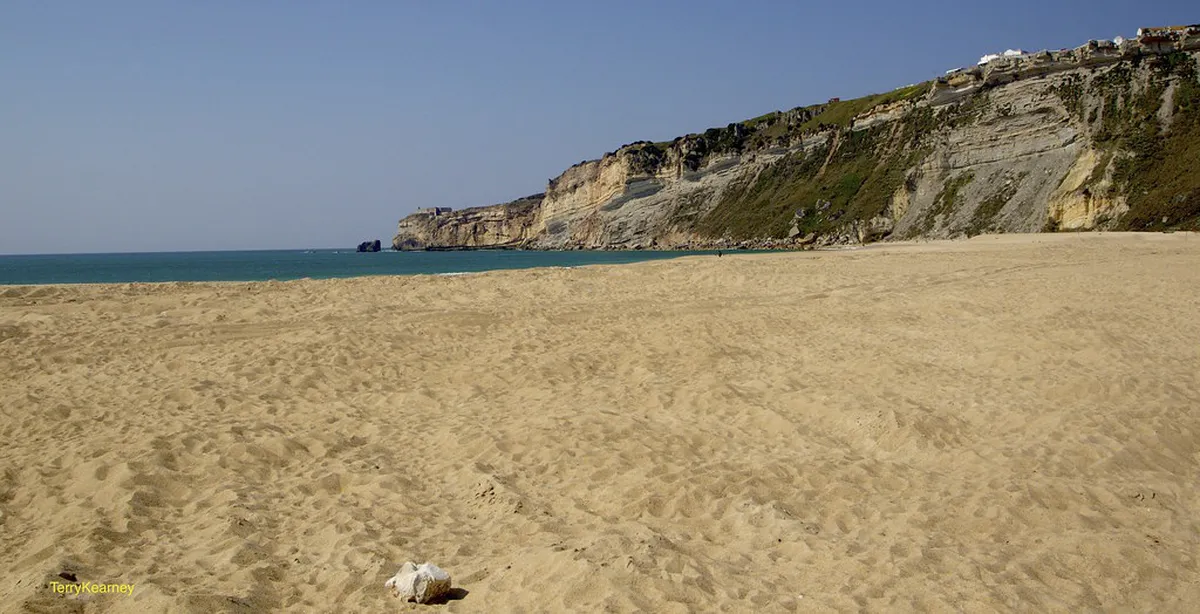
Nazaré is a famous coastal town in Portugal known for its massive winter waves. The history of the Nazaré funicular walking path connects the beach to the upper cliffs. This route offers a very deep look into the local heritage of this fishing village. It remains a favorite path for travelers exploring the Nazaré historical village walking tour today.
Origins of the Nazaré Funicular Path
For practical details and last-minute changes, use Nazaré travel info.
For the most up-to-date details, check Nazaré travel info before you go.
The path was originally created to connect the beach with the high Sítio district. People needed a reliable way to travel between the lower and upper parts of town. Before the funicular existed, locals used steep, narrow trails to move heavy goods. This history of the Nazaré funicular walking path began with these early functional movements.The Sítio district sits 110 meters above the Atlantic Ocean's crashing waves. This high vantage point served as a place of refuge for the local community. Fishermen and their families often climbed the cliffs to reach the sacred chapel above. These early journeys established the foundation for the scenic walking route we enjoy now.
Walking this historic route allows you to experience the daily struggles of past generations. You can still see the remnants of old stone steps along the modern trail. These paths were vital for the survival of the traditional fishing industry in Nazaré. Today, the walk provides a peaceful escape with breathtaking views of the coastline.
Engineering the Ascent in 1889
The funicular system was officially inaugurated on July 28, 1889, to improve local transport. It was designed by Raoul Mesnier du Ponsard, a student of Gustave Eiffel. This engineering marvel changed how people accessed the high cliffs of the Sítio district. The history of the Nazaré funicular walking path is tied to this mechanical breakthrough.
The original system used a powerful steam engine to pull the cars up the steep slope. This technology was very advanced for a small Portuguese fishing village in the late 1800s. It allowed for safer and faster movement of people and essential supplies. You can learn more about these early logistics on a Sítio cliff walk in Nazaré.
The tracks run for 318 meters at a very steep 42 percent grade. This incline makes the walking path next to the tracks quite a physical challenge. Modern upgrades in 1963 replaced the old steam engines with much safer electric motors. These changes ensured the funicular remained a central part of the town's infrastructure.
Evolution of the Walking Route
The path alongside the tracks has evolved from a utility trail into a tourist attraction. It offers a unique perspective on the town's architectural and natural beauty. Hikers can observe the funicular cars passing by as they climb the rugged cliffside. This history of the Nazaré funicular walking path reflects the town's growing popularity.
Modern travelers use the path to reach the Sanctuary of Our Lady of Nazaré. This religious site has attracted pilgrims for centuries from all over the world. The walking route provides a contemplative space for those making the spiritual journey upward. It serves as a bridge between the busy beach and the quiet historical village.
Recent renovations have made the path safer for visitors exploring the area in 2026. New railings and better signage help guide you through the steeper sections of the trail. You will find several spots to rest and enjoy the panoramic ocean views. Knowing how to do a Nazaré historical village walk makes the experience better.
Historical Landmarks Along the Climb
💡 Pro Tip: Book your Lisbon adventures in advance through Viator for the best deals!
As you walk, you will pass several markers that tell the story of Nazaré. The lower station itself is a beautiful example of late nineteenth-century industrial architecture. It stands as a gateway to the history of the Nazaré funicular walking path. Take a moment to admire the traditional tile work found near the entrance.
Halfway up the cliff, you can see the point where the two cars pass. This passing loop is a highlight for many photographers visiting the scenic coastal trail. The view of the red-roofed houses below becomes more impressive with every single step. These landmarks turn a simple hike into a rich cultural and historical experience.
At the top, you reach the Sítio district and its many historical treasures. The Memorial Hermitage commemorates the legendary miracle of Dom Fuas Roupinho in the year 1182. This site is a core part of any scenic walk in Nazaré in 2026. The history here spans nearly a millennium of Portuguese maritime culture.
Planning Your 2026 Walk
Walking the funicular path requires a moderate level of physical fitness and good shoes. The climb takes about twenty to thirty minutes depending on your personal pace. It is best to start your walk early in the morning to avoid heat. This timing allows you to enjoy the soft morning light over the Atlantic.
The path is completely free to access for all visitors throughout the year. If you get tired, you can always buy a ticket for the funicular ride. Tickets are affordable and offer a quick way to return to the lower beach. Most travelers enjoy walking up and taking the funicular back down to the town.
Bring plenty of water and a camera to capture the stunning views of the coast. The weather in 2026 is expected to be mild during the spring and fall. These seasons are perfect for exploring the history of the Nazaré funicular walking path. Always check the local weather forecast before you begin your steep cliffside ascent.
Frequently Asked Questions
When was the Nazaré funicular first built?
The Nazaré funicular was officially opened on July 28, 1889. It was designed to provide a safe connection between the beach and the Sítio district. The system originally used steam power before switching to electricity in 1963.
Is it free to walk the Nazaré funicular path?
Yes, the walking path next to the funicular tracks is free for everyone. It offers a great workout and beautiful views of the Portuguese coastline. You only need to pay if you choose to ride the funicular car itself.
How long does the walk to Sítio take?
The walk usually takes between twenty and thirty minutes for most healthy visitors. It is a steep climb, so you should wear comfortable walking shoes for the journey. Many people stop frequently to take photos of the stunning ocean views.
The history of the Nazaré funicular walking path tells a story of local resilience. This route connects the past with the present through its stunning views and landmarks. Whether you walk or ride, the journey to Sítio is a truly must-do experience. Start planning your historical adventure in Nazaré for the upcoming 2026 travel season.