
The Ultimate Nazaré Historical Village Walking Tour
Nazaré is a stunning coastal town in Portugal famous for its massive winter waves and rich history. This Nazaré historical village walking tour takes you through ancient streets and breathtaking cliff-top viewpoints. You will discover the hidden stories of three distinct neighborhoods during your visit in 2026. This guide provides a detailed itinerary for exploring the most scenic walks in Nazaré 2026 has to offer.
Exploring Pederneira's Ancient Roots
The Pederneira district serves as the oldest historical settlement within the beautiful coastal town of Nazaré. It was the primary residential area long before the sea receded during the late middle ages. Today this quiet neighborhood offers a peaceful escape from the crowded tourist areas near the beach. You will find many narrow streets lined with ancient stone houses and colorful flowering plants.
Visit the Parish Church of Pederneira to see stunning 16th-century gold leaf altars and intricate tile work. The building represents the religious heart of the community and remains an active place of worship today. Take a moment to admire the peaceful atmosphere inside this historic stone structure during your morning walk. Respectful visitors are always welcome to view the beautiful interior architecture and religious art.
The old town hall and the stone pillory stand as symbols of the former municipal power here. These landmarks tell the story of a time when Pederneira was an independent and thriving local port. You can see the original stone carvings that have survived for hundreds of years in the square. This area provides a great starting point for the Pederneira viewpoint trail Nazaré visitors love to explore.
End your time in Pederneira at the main viewpoint overlooking the modern town and the Atlantic Ocean. The elevation provides a perfect perspective of the entire coastline stretching toward the southern horizon. You can see the distinct layers of the town's growth from this high vantage point clearly. It is the best place to take wide photos of the bay before heading downhill.
Discovering the Sítio Cliff Top
The Sítio district sits on a massive limestone cliff three hundred feet above the crashing ocean waves. It is perhaps the most iconic part of any Nazaré historical village walking tour you might take. This area is steeped in legends that date back to the founding of the Portuguese nation. Many travelers consider this the spiritual and cultural center of the entire coastal region.
The Sanctuary of Our Lady of Nazaré dominates the main square with its impressive twin bell towers. Inside you will find a small wooden statue of the Virgin Mary with ancient origins. Legend says this statue was carved in Nazareth and brought to Portugal many centuries ago. This church is one of the most important historical landmarks on Nazaré old town walk routes today.
Walk toward the edge of the cliff to find the tiny and white Memory Chapel building. It marks the spot where a famous miracle allegedly saved a local nobleman from a fatal fall. The interior walls are covered in blue and white tiles depicting this legendary event from 1182. It is a very small space but holds a huge amount of local cultural significance.
The views from the Sítio cliffs are truly breathtaking and offer a perspective of the North Beach. You can watch the powerful waves roll in from the deep underwater canyon located just offshore. Please stay behind the safety railings as the wind can be quite strong on the cliff edge. This spot provides the best view of the lighthouse where the giant waves are watched.
Nazaré Historical Village Walking Tour Highlights
Walking through the narrow alleys of the historical village reveals the true character of traditional Portuguese life. Many houses feature bright white walls with vibrant blue or yellow trim around the doors and windows. You will see laundry hanging from balconies and hear the sound of neighbors chatting across the streets. These small details make the Nazaré historical village walking tour feel authentic and very personal.
Look closely at the ceramic tiles used to decorate the exterior of many older residential buildings. These tiles protect the structures from the salty sea air and provide beautiful patterns for passersby. Some tiles tell stories of the sea while others feature simple geometric designs from past eras. Photography enthusiasts will find endless inspiration in these textured walls and colorful historical doorways.
Local artisan shops are tucked away in the quiet corners of the Sítio and Pederneira neighborhoods. You can find handmade wool sweaters and traditional ceramic pottery created by local craftsmen and women. Buying a small souvenir here supports the local economy and helps preserve these ancient traditional skills. These shops offer a much more personal experience than the larger stores found near the beach.
Cultural etiquette is important when walking through these residential areas where people still live and work. Please keep your voice at a moderate level and avoid blocking the narrow doorways of private homes. Always ask for permission before taking close-up photos of local residents or their private property. Showing respect ensures that these historical neighborhoods remain welcoming to travelers from around the world.
History of the Funicular and Paths
🌟 Local Expert Tip: Get the most out of your Lisbon visit with guided tours!
The Nazaré funicular has connected the upper and lower parts of the town since the year 1889. It was designed by a student of the famous engineer Gustave Eiffel to help local residents. This mechanical marvel replaced the difficult climb up the steep cliff for the hard-working fishing families. Today it remains a popular and scenic way to travel between the beach and the Sítio.
Learning about the history of the Nazaré funicular walking path adds depth to your tour experience. You can choose to ride the modern cars or walk the steep staircase path alongside the tracks. The walk is physically demanding but offers unique views that you cannot see from the funicular car. Many visitors enjoy riding up and walking down to save their energy for more exploring.
The Ladeira staircase path features several landing areas where you can stop and catch your breath. Each level offers a slightly different angle of the red-roofed houses and the blue sea below. You will pass through areas of lush green vegetation that grow along the steep limestone cliffs. It takes about fifteen to twenty minutes to walk down the path at a steady pace.
The engineering of the tracks is impressive when you consider the age and the steepness of the slope. You can see the cables and pulleys working to move the cars up and down the hill. This transport system is a vital part of the town's history and its modern daily life. It is one of the steepest funicular rides in the entire country of Portugal.
The Fishermen's District Traditions
The lower part of town near the beach is known as the Praia or the fishermen's district. This area is famous for its narrow grid of streets that lead directly to the sandy shore. You will see the traditional lifestyle of the local fishing community on display in every single corner. This neighborhood is a essential stop on any Nazaré historical village walking tour itinerary.
One of the most unique sights is the rows of wooden racks used for drying fish. Local women prepare horse mackerel and octopus to dry in the sun and the salty sea breeze. This ancient method of preservation is still used today and provides a unique local snack for visitors. This walking tour of traditional Nazaré fishing huts shows the heart of the town.
Look for the local women wearing the traditional seven skirts which are a symbol of Nazaré culture. Each skirt represents a different day of the week or a different layer of protection and luck. This dress code has been passed down through many generations of women in the local fishing families. It is a beautiful and living piece of history that you can see every day.
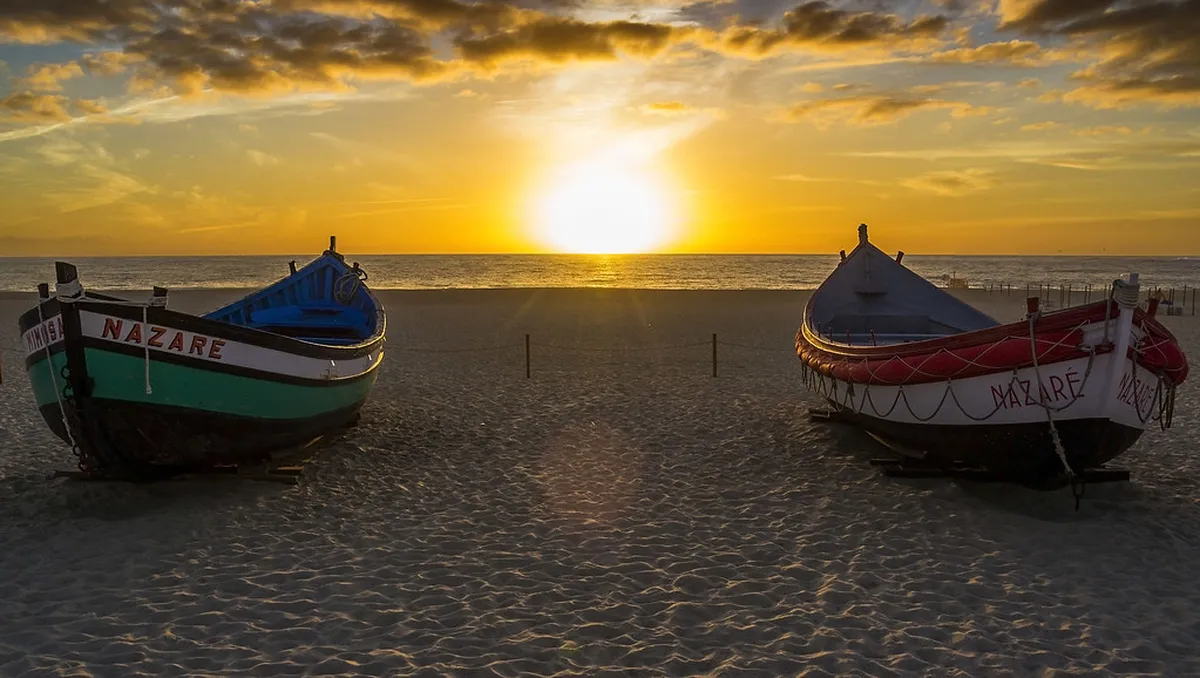
The small white fishing huts on the beach store the colorful wooden boats and heavy nylon nets. These huts were once the only structures on the beach before the modern tourism industry began growing. They are still used by active fishermen who continue to work the waters of the Atlantic Ocean. Walking among these huts gives you a sense of the town's enduring relationship with the sea.
Planning Your Walking Itinerary
⭐ Recommendation: Don't miss out on amazing Lisbon tours - book now!
Starting your walking tour early in the morning is the best way to avoid the afternoon heat. The light is also better for photography during the golden hour just after the sun has risen. Most of the historical sites and churches open their doors to the public around ten o'clock. You will find the streets are much quieter and more peaceful during these early morning hours.
Wear sturdy walking shoes with good grip because the cobblestone streets can be quite slippery and uneven. Bring a reusable water bottle to stay hydrated as you climb the hills between the different neighborhoods. A light jacket is also useful because the wind on the cliff tops can be surprisingly cool. Sunblock and a hat are essential even on cloudy days due to the strong coastal reflection.
Take breaks at local cafes to try the best local snacks on Nazaré walking tour routes. Order a traditional custard tart or a piece of dried fish from the vendors on the beach. These small food stops allow you to rest your legs and soak in the local street atmosphere. Most cafes offer outdoor seating where you can watch the world go by while you eat.
Using a map of Nazaré historical village walking route will help you find all the hidden landmarks. You can follow a set path or simply wander through the alleys to make your own discoveries. The town is small enough that you cannot get truly lost for very long during your walk. Enjoy the freedom of exploring this historic Portuguese gem at your own comfortable pace.
Frequently Asked Questions
How long does the Nazaré historical village walking tour take?
A complete tour of the three main historical districts usually takes between three and four hours. This time includes stops for photos, visiting churches, and a short break for a local snack. You may want to allow more time if you choose to walk the cliff paths.
Is the walking tour difficult for people with limited mobility?
The historical areas feature steep hills, many stairs, and uneven cobblestone streets which can be challenging. However, the funicular provides an easy way to reach the cliff-top Sítio district without climbing. The beachfront area is mostly flat and accessible for most visitors to explore comfortably.
What should I wear for a walking tour in Nazaré?
You should wear comfortable walking shoes with non-slip soles for the cobblestones. Dressing in layers is recommended because the temperature can change between the beach and the windy cliffs. Do not forget a hat and sunscreen to protect yourself from the strong Atlantic sun.
Are the historical sites in Nazaré free to visit?
Most of the churches and outdoor historical landmarks are free for the public to enter and enjoy. Some small museums or the lighthouse may charge a small entry fee of a few Euros. It is always good to carry some cash for these small costs and snacks.
Can I do the walking tour without a professional guide?
Yes, Nazaré is a very walkable town that is easy to explore on your own with a map. Many of the historical sites have information plaques in multiple languages to explain their significance. Walking solo allows you to set your own pace and spend more time at your favorite spots.
A Nazaré historical village walking tour offers a deep look into the soul of this famous Portuguese town. From the ancient heights of Pederneira to the legendary cliffs of Sítio, history is everywhere you look. You will leave with a greater appreciation for the traditions and resilience of the local people. Plan your visit in 2026 to experience these incredible sights and sounds for yourself today.