
Birdwatching Spots on the Papôa Walking Loop in Peniche
Peniche offers incredible coastal views and unique wildlife. Many visitors love finding birdwatching spots on the Papôa walking loop. This trail winds through ancient volcanic rocks and high cliffs. You can see many rare species in their natural habitat here.
The North Cliffs: Seabird Watching
For official information, visit Peniche travel info.
For practical details and last-minute changes, use Peniche travel info.
The northern edge of the trail provides a great vantage point. You can spot Northern Gannets diving into the Atlantic Ocean. These birds are very active during the breezy morning hours. Use binoculars to see them hunting far from the shore.The high cliffs serve as nesting grounds for several local species. Shags and cormorants often rest on the lower rocky ledges. You can observe their behavior without disturbing their natural peace. This spot is essential for any bird lover visiting Peniche.
Early morning usually offers the calmest conditions for clear viewing. Bring a sturdy tripod if you plan to take photos. Consider these essential items for your 2026 trip:
- High-quality binoculars
- A detailed bird guide
- A steady camera tripod
Look for Peregrine Falcons near the peak of the cliffs. These fast predators often hunt smaller birds over the sea. They are impressive to watch during the spring months. Keep your eyes on the sky for their sharp silhouettes.
The Volcanic Basin: Shorebirds and Gulls
The central basin features unique geological formations and shallow pools. These areas attract various gulls and small shorebirds during low tide. You might spot Lesser Black-backed Gulls resting on the dark rocks. The contrast between the birds and the volcanic stone is beautiful.
Turnstones and Sanderlings often forage in the seaweed near the water. They move quickly as the waves crash against the shore. This area is one of the best Papôa peninsula hiking trails for wildlife enthusiasts. Keep a safe distance to avoid scaring the birds away.
Photographers will love the natural light in the volcanic basin. The dark basalt rocks create a dramatic background for white gulls. Mid-afternoon light highlights the textures of the ancient stone. This area offers some of the best views in Peniche.
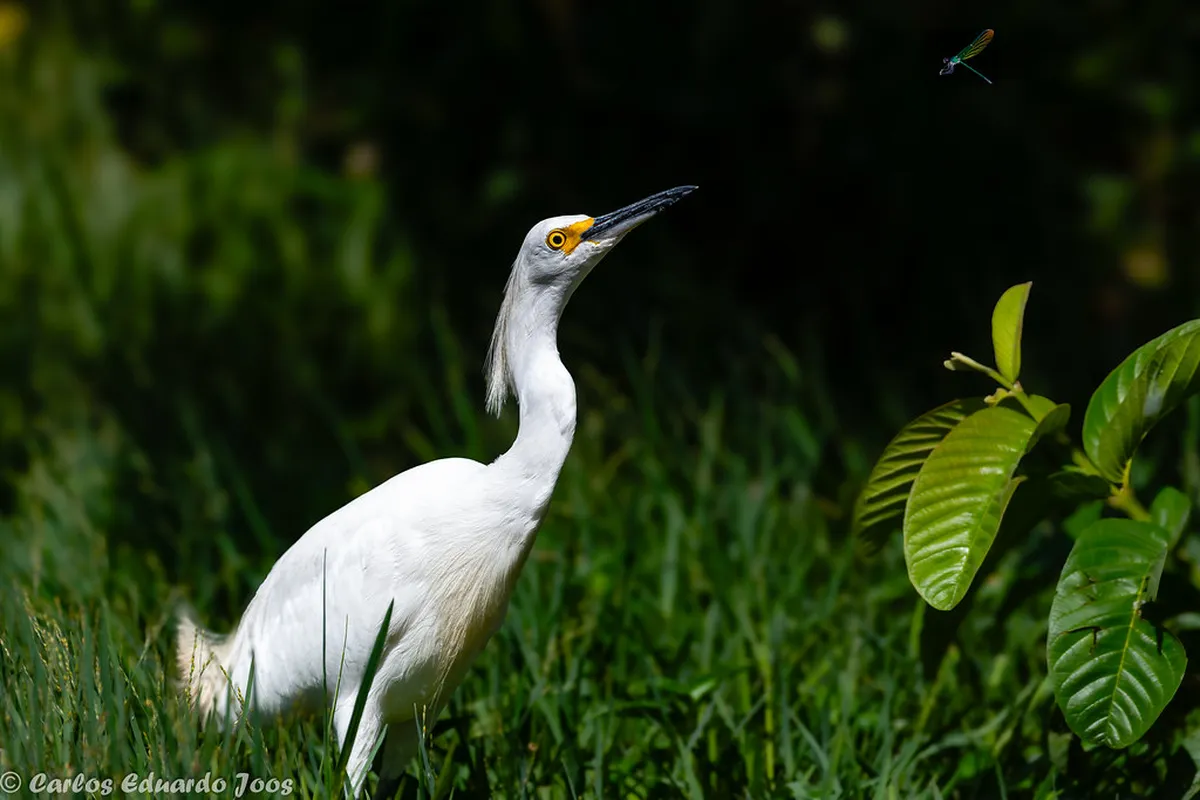
The pools are full of life during the summer months. Small fish attract many different types of egrets. You can see them standing still in the water. This is a great spot for quiet observation.
The Eastern Bay: Migratory Species
The eastern side of the loop overlooks a protected bay area. This location is perfect for spotting migratory birds during spring and fall. You may see Whimbrels or Curlews resting during their long journeys. The calm water provides a safe haven for these tired travelers.
Birdwatching here is best during the shoulder seasons of 2026. September and October bring the highest variety of passing species. You can learn more about the area by exploring the Papôa volcanic formations on foot nearby. The mix of geology and biology is truly fascinating.
Look for small passerines in the low coastal vegetation. These tiny birds often hide in the shrubs to escape the wind. Patience is key when searching for these elusive species. Bring a field guide to help identify the different plumage colors.
The bay also hosts various ducks during the winter months. You can see them bobbing on the gentle waves. They often stay close to the shoreline for safety. Bring a zoom lens for the best views.
Finding Birdwatching Spots on the Papôa Walking Loop
💡 Pro Tip: Book your Lisbon adventures in advance through Viator for the best deals!
Planning your visit requires some basic knowledge of the local tides. Many shorebirds are only visible when the tide is going out. Check the local Peniche tide charts before you head to the trail. This ensures you see the maximum number of bird species.
The Papôa loop is a moderately easy walk for most visitors. However, the terrain can be uneven and rocky in several sections. Review the Papôa peninsula walking route difficulty level before starting in 2026. Proper hiking boots will protect your ankles on the jagged rocks.
Binoculars are a must-have item for any serious birdwatcher in Peniche. A 10x42 pair works well for both sea and land birds. You should also bring a hat and plenty of water. The sun can be very strong on the peninsula even in winter.
Respect the local wildlife while you explore the loop. Never leave trash behind on the peninsula trails. Stay on the marked paths to protect the plants. Your care helps keep this area beautiful for everyone.
Frequently Asked Questions
🎯 Insider Tip: Discover the best Lisbon experiences with Viator Tours!
When is the best time for birdwatching in Peniche?
The best time for birdwatching is during the early morning hours. This is when the birds are most active and hunting. Low tide is also perfect for seeing shorebirds in the volcanic basin. Plan your visit for spring or fall to see migratory species.
What should I bring for the Papôa walking loop?
You should bring high-quality binoculars and a bird field guide. Sturdy hiking boots are necessary for the uneven and rocky terrain. Don't forget to carry plenty of water and sun protection. These items will ensure a comfortable and successful birdwatching trip.
Can I see rare birds on the Papôa peninsula?
You can definitely see rare birds like Northern Gannets and Falcons. Many migratory species like Whimbrels visit the peninsula during 2026. The unique coastal environment attracts birds that are hard to find elsewhere. Always stay quiet to avoid scaring these rare visitors away.
The Papôa peninsula is a paradise for bird lovers in Portugal. You will find many incredible birdwatching spots on the Papôa walking loop. Check our photography guide for Papôa peninsula scenic walks before you go. Enjoy the stunning views and diverse wildlife of Peniche today.