
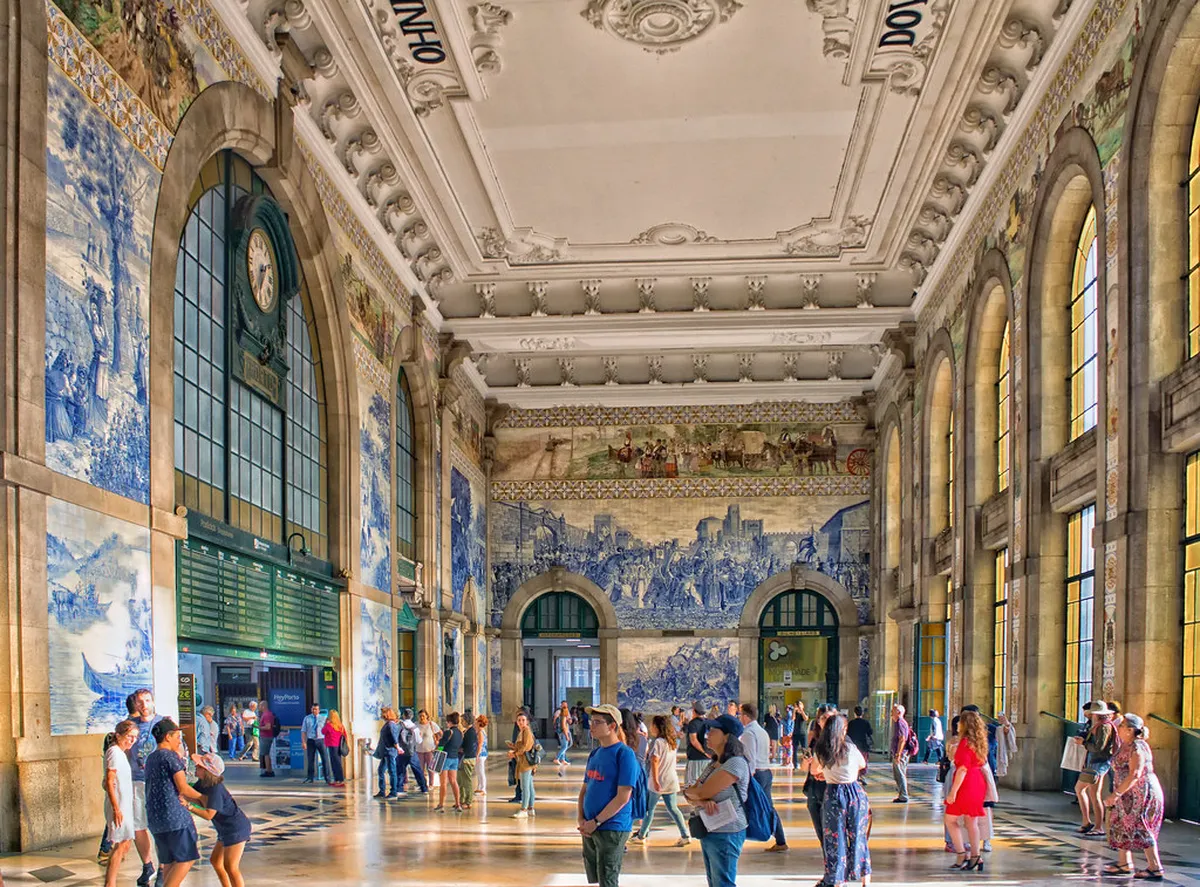
The Fascinating History of Azulejo Tiles at Pinhão Station
The history of azulejo tiles at Pinhão station reveals a deep connection to the Douro Valley wine culture. This small train station houses one of the most beautiful tile collections in all of Portugal. Visitors can admire twenty-four stunning panels that wrap around the building exterior. These artworks tell a silent story of the region's rich heritage and daily life.
The Origins of the Pinhão Station Murals
For official information, visit Pinhão travel info.
For the most up-to-date details, check Pinhão travel info before you go.
The station was built in the nineteenth century to serve the growing port wine trade. However, the famous tile panels were added much later in 1937. The renowned artist Jorge Colaço designed these intricate blue and white masterpieces. He was a leading figure in the Portuguese tile revival during the early twentieth century.The tiles were manufactured at the famous Aleluia factory located in the city of Aveiro. This factory was known for producing high-quality ceramics for many public buildings. The installation transformed a simple railway stop into a cultural landmark. You can learn more through a Pinhão historical station walking tour during your visit.
Colaço used the traditional "azulejo" technique to ensure the murals would last for decades. This involves painting on tin-glazed ceramic tiles before firing them in a kiln. The blue and white palette was chosen to honor classic Portuguese styles. These colors create a striking contrast against the yellow station walls and green hills.
The project aimed to promote the Douro region to travelers arriving by train. At the time, the railway was the primary way to transport wine and people. The tiles served as a visual welcome to the heart of the wine country. Today, they remain perfectly preserved for modern tourists to enjoy in 2026.
Visual Stories of the Douro Valley
Each panel at the station depicts a specific scene from the local wine-making process. You will see images of workers harvesting grapes on the steep terraced hillsides. Other tiles show the traditional treading of grapes in large stone tanks called lagares. These scenes capture the intense labor required to produce world-famous port wine.
The river scenes are particularly captivating for history buffs and photographers. You can see the Rabelo boats that once carried wine barrels down to Porto. These flat-bottomed boats were essential before the construction of dams on the Douro River. It is helpful to photograph the Pinhão murals when the sunlight is soft and indirect.
Beyond wine, the tiles illustrate the local customs and clothing of the 1930s era. You can spot women carrying baskets on their heads and men wearing traditional hats. These details provide a rare glimpse into the social history of northern Portugal. The landscapes depicted in the tiles still resemble the views you see today.
- Grape harvesting scenes on terraced slopes
- Rabelo boats navigating the Douro River
- Traditional folk dancing and local celebrations
- The process of transporting wine barrels
Cultural Impact of Azulejo Artistry
Azulejos are more than just decoration in Portuguese culture and architecture. They serve as a durable record of national identity and historical achievements. At Pinhão, the tiles celebrate the resilience of the local farming community. This public art gallery is accessible to everyone regardless of their background.
The use of tiles also served a practical purpose for the railway station. Ceramic tiles are easy to clean and resist the harsh sun and rain. This durability ensures that the history of azulejo tiles at Pinhão station stays vibrant. You can easily find these iconic tiles right on the main platform area.
Many visitors feel a sense of nostalgia when viewing these hand-painted scenes. The art reminds us of a time when life moved at a slower pace. It connects the modern traveler to the generations of workers who built the region. This emotional connection makes the station a must-visit destination in the Douro.
The station has become a symbol of pride for the residents of Pinhão. It attracts thousands of visitors who contribute to the local economy each year. Preserving these tiles is a top priority for the Portuguese railway authorities. They represent a perfect marriage between functional infrastructure and fine art.
Planning Your 2026 Visit to Pinhão
🌟 Local Expert Tip: Get the most out of your Lisbon visit with guided tours!
Visiting the Pinhão train station is free and open to the public daily. The station remains an active transport hub with regular trains from Porto. The journey from Porto takes about two and a half hours. This scenic ride offers some of the best river views in Europe.
The best time to visit is during the spring or early autumn months. September is especially lively because it coincides with the actual grape harvest season. You can combine your station visit with several scenic walks in Pinhão near the river. Most visitors spend about thirty minutes admiring the tile panels.
The station features a small shop where you can buy local wine and souvenirs. There are also clean restrooms and a small cafe for travelers. You should wear comfortable shoes as the village has some hilly streets. Pinhão is small enough to explore entirely on foot in one afternoon.
- Check the train schedule from Porto Sao Bento station
- Bring a camera with a wide-angle lens for the panels
- Visit the nearby riverfront for a boat tour after
- Taste local port wine at a nearby vineyard estate
Frequently Asked Questions
Who painted the tiles at Pinhão station?
The tiles were designed by the famous Portuguese artist Jorge Colaço in 1937. He was well-known for his ability to depict historical and ethnographic scenes on ceramics. His work can also be found at the Sao Bento station in Porto.
Is there a fee to see the Pinhão station tiles?
No, there is no entrance fee to view the tile murals at the station. Since it is a public railway station, you can walk onto the platforms for free. It is one of the best free cultural experiences in the Douro Valley.
What do the blue and white tiles represent?
The tiles represent the history of port wine production and Douro Valley life. They show scenes of harvesting, transporting wine in boats, and local landscapes. The blue and white style is a traditional Portuguese aesthetic from the eighteenth century.
The history of azulejo tiles at Pinhão station offers a unique window into Portugal's past. These beautiful murals turn a simple transit stop into a world-class art gallery. Make sure to include this stop on your Douro Valley itinerary for 2026. You will leave with a deeper appreciation for the region's traditions and beauty.