
Experience the Pinhão Historical Station Walking Tour in 2026
A Pinhão historical station walking tour offers a deep look into the rich heritage of the Douro Valley. This charming station serves as the gateway to Portugal's most famous wine region for travelers in 2026. Visitors often start their journey here to admire the famous blue and white tile panels on the walls.
The History of the Pinhão Historical Station Walking Tour
The station was built in the late nineteenth century to serve the growing Port wine trade industry. It stands as a testament to the engineering marvels required to navigate the rugged Douro Valley terrain. This historic site remains one of the most beautiful train stations in the entire country of Portugal today.
The most famous feature of the building is the collection of twenty-four intricate blue tile panels. These artworks were created by J. Oliveira and installed at the station during the early twentieth century period. They depict traditional scenes of grape harvesting and the transport of wine barrels on Rabelo boats.
Walking through the station feels like stepping back into a simpler time of manual labor and tradition. Each panel provides a visual narrative of the hard work involved in creating world-class Port wine varieties. You can easily spend an hour studying the fine details found within these glazed ceramic masterpieces.
The station building itself features traditional Portuguese architecture with white walls and bright yellow trim accents. It serves as a functional transportation hub while also acting as an open-air museum for all visitors. Local residents still use the station daily for commuting between the various small villages in the region.
Exploring the Iconic Blue Azulejo Tiles
The tiles are the primary highlight of any Pinhão historical station walking tour during your visit in 2026. These panels cover the main exterior walls of the station building and face the active train tracks directly. Each scene represents a specific part of the traditional wine-making process used in the Douro Valley.
You can learn more about the history of azulejo tiles at Pinhão station to appreciate the craftsmanship involved. The blue and white colors are typical of Portuguese ceramic art from the early twentieth century era. Artists used these tiles to tell stories that the local population could understand and celebrate.
One panel shows the intense work of treading grapes in large stone tanks called lagares. Another panel illustrates the dangerous journey of boats carrying wine barrels down the fast-moving Douro River. These images help visitors understand the cultural identity of the people living in this unique landscape.
The tiles have been carefully preserved to maintain their vibrant colors and historical accuracy for future generations. Walking along the platform allows you to see the panels up close and appreciate the fine brushwork. It is a rare opportunity to see such significant art in a public transportation setting.
Practical Details for Your Walking Tour
The station is located in the heart of the village and is very easy to find on foot. Most visitors arrive by train from Porto to begin their exploration of this historic and beautiful landmark. Admission to the station platforms to view the tiles is free for all members of the general public.
The best time to visit is during the morning hours when the sunlight hits the tiles directly. You should check the Pinhão walking weather and timing before you plan your trip for the best experience. Spring and autumn offer the most comfortable temperatures for walking around the outdoor platforms and nearby streets.
The station area can become quite crowded when the tourist trains arrive from the city of Porto. We recommend arriving early in the morning or later in the evening to enjoy a quieter atmosphere. During these times, you can take your time looking at the tiles without many other people around.
There are small cafes and shops located inside the station building for your convenience during the tour. You can purchase local wine, snacks, or souvenirs while you wait for your next train to arrive. Public restrooms are also available for visitors near the main ticket office inside the building.
Landmarks Near the Historical Station
🎯 Insider Tip: Discover the best Lisbon experiences with Viator Tours!
After viewing the tiles, you can continue your walking tour of Pinhão town center landmarks just outside the exit. The iron bridge designed by Gustave Eiffel is only a short five-minute walk from the station platform. This bridge offers incredible views of the Douro River and the surrounding terraced vineyards on the hillsides.
The riverfront area is perfect for a leisurely stroll after you finish exploring the historic train station. You will find several boat tour operators offering short trips on the water near the main pier. These boat rides provide a different perspective of the vineyards that you saw on the station tiles.
Several famous wine estates, or quintas, are located within walking distance of the station for interested visitors. You can walk to Quinta da Roeda in about fifteen minutes to enjoy a professional wine tasting. This allows you to combine historical sightseeing with the actual flavors of the Douro Valley region.
The village center features traditional restaurants where you can try local dishes like roasted kid or octopus. Many of these eateries have outdoor seating that overlooks the river or the busy main street. It is a great place to relax and soak in the local culture after your walk.
Best Photography Spots at the Station
Photographers will find many great angles to capture the beauty of the historic station and its tile work. It is helpful to know the best time to photograph Pinhão train station murals for the highest quality images. The golden hour just before sunset provides a warm glow that enhances the blue colors of the tiles.
Try to stand back from the walls to capture the entire building and the train tracks together. This perspective shows how the station fits into the surrounding landscape of hills and river valleys. Use a wide-angle lens if you want to include the yellow trim and the white walls.
Close-up shots of the individual tiles reveal the texture of the ceramic and the artist's fine details. Focus on the faces of the people depicted in the harvest scenes to capture their expressions. These detailed shots make for excellent additions to any travel photo album or social media post.
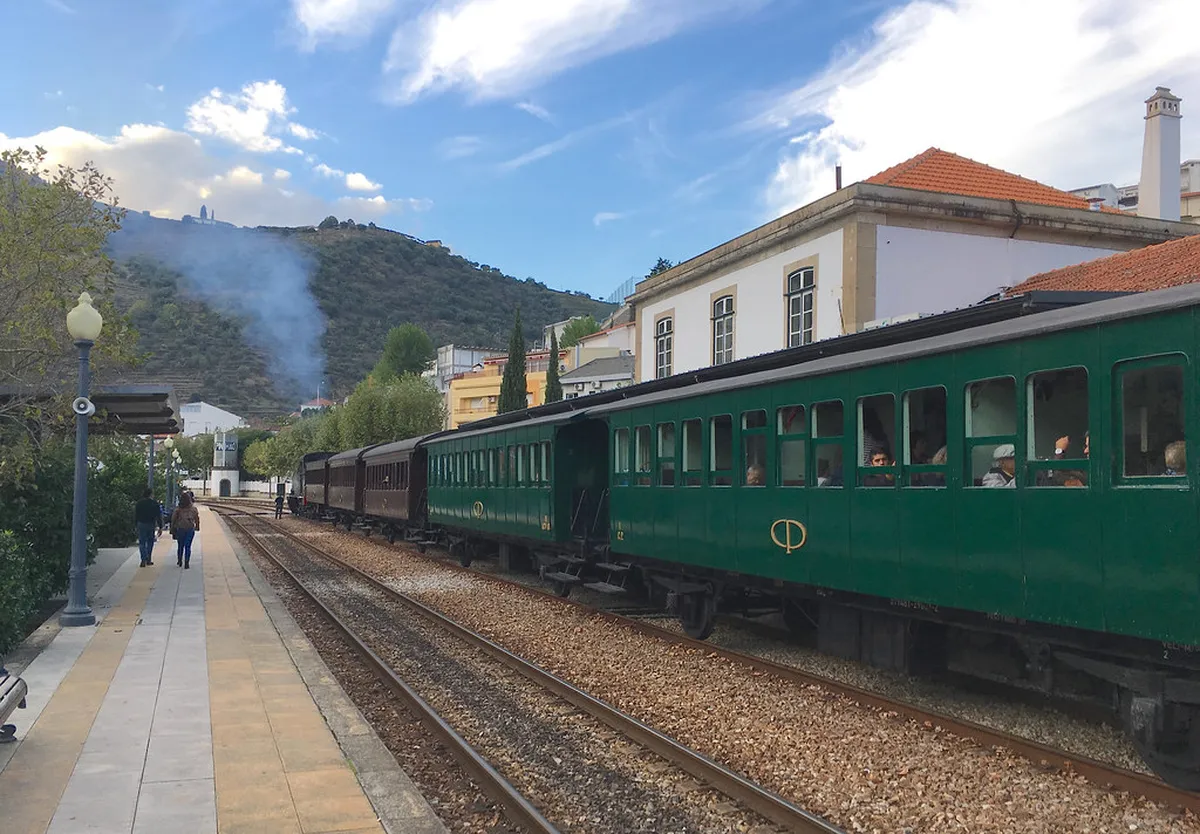
Wait for a traditional train to pull into the station to add movement to your photography project. The contrast between the modern or vintage trains and the old tiles creates a very striking image. Be sure to stay behind the yellow safety lines while you are taking your photos on the platform.
Self-Guided Route for History Buffs
Following a specific Pinhão station walking route for history buffs ensures you do not miss any important details. Start at the main entrance and move clockwise around the building to see the panels in order. This path allows you to follow the story of wine production from start to finish.
Take time to read the small descriptions often found near the most significant pieces of the artwork. These signs provide context about the specific locations shown in the tiles and the year they were painted. You will learn about the different families who owned the vineyards during the early twentieth century.
End your historical walk by heading toward the riverfront to see the old loading docks for the boats. This connects the images on the tiles to the physical locations where the wine was actually shipped. It provides a complete understanding of the logistics involved in the historic Port wine trade.
You may also want to explore other scenic walks in Pinhão 2026 to see more of the surrounding countryside. Many trails lead up into the hills where you can see the vineyards from a higher vantage point. These walks offer a deeper connection to the land that inspired the station's famous art.
Frequently Asked Questions
How long does the Pinhão historical station walking tour take?
Most visitors spend about forty-five minutes to one hour exploring the station and its famous tile panels. This allows enough time to photograph the artwork and read about the local history of the region. You can easily extend your visit by exploring the nearby riverfront.
Is there a fee to see the tiles at Pinhão station?
No, there is no charge to enter the station platforms and view the beautiful azulejo tile murals. It is a public space that remains open to both train passengers and curious tourists throughout the day. This makes it a great free activity for travelers on a budget.
What is depicted on the tiles at Pinhão station?
The twenty-four tile panels show traditional scenes of the grape harvest and wine production in the Douro Valley. You will see images of workers in the vineyards and boats carrying barrels down the Douro River. These scenes represent the cultural heritage of the local wine industry.
Is the Pinhão station walking tour accessible for everyone?
The station platforms are generally flat and easy to navigate for people with limited mobility or strollers. There are some small steps near the main entrance but ramps are available for those who need them. Most of the tile panels are at eye level for easy viewing.
A visit to this historic site is an essential part of any trip to the Douro Valley region. You will leave with a better understanding of the culture and traditions that shape this beautiful wine country. Plan your Pinhão historical station walking tour today to experience the magic of these famous blue tiles.