
Best Walking Trails Near Troia Roman Ruins Site in 2026
Discover the best walking trails near Troia Roman ruins site for an unforgettable adventure in 2026. This historic area in Setúbal offers a unique blend of ancient history and stunning natural beauty. You can explore Roman fish-salting tanks while enjoying fresh Atlantic breezes on the coast. These paths provide a peaceful escape for hikers of all skill levels visiting Portugal.
Exploring the Ancient Roman Ruins Trails
The Troia Roman ruins are the largest fish-salting industrial complex known from the Roman world. You will find several walking trails near Troia Roman ruins site that connect different archaeological sections. These paths lead you through ancient residential quarters, bathhouses, and early Christian basilicas. The terrain is mostly flat and easy to navigate for families and solo travelers.
Walking through the site takes about one to two hours at a steady pace. You can see over twenty-five large vats used to make ancient fish sauce. Information boards along the trail explain the daily life of people who lived here centuries ago. The site is open from 10:00 AM to 6:00 PM during the peak 2026 season.
The trails offer spectacular views across the Sado River toward the city of Setúbal. You can stop at the small museum near the entrance to see recovered artifacts. Tickets for the ruins cost approximately six Euros for adults in the current year. Wear comfortable shoes as some paths consist of loose gravel and old stone floors.
Scenic Troia Peninsula Beach Walks Path
After visiting the ruins, you can easily transition to the stunning coastline of the peninsula. Many visitors enjoy the famous Troia Peninsula beach walks that start nearby. These trails take you through golden sand dunes protected by local environmental laws. The contrast between the red Roman bricks and white sand is truly beautiful.
The beach path stretches for several kilometers along the Atlantic side of the peninsula. You will experience soft sand and the soothing sound of crashing ocean waves. This walk is perfect for those who want to combine history with seaside relaxation. Keep an eye out for unique seashells that wash up on the shore.
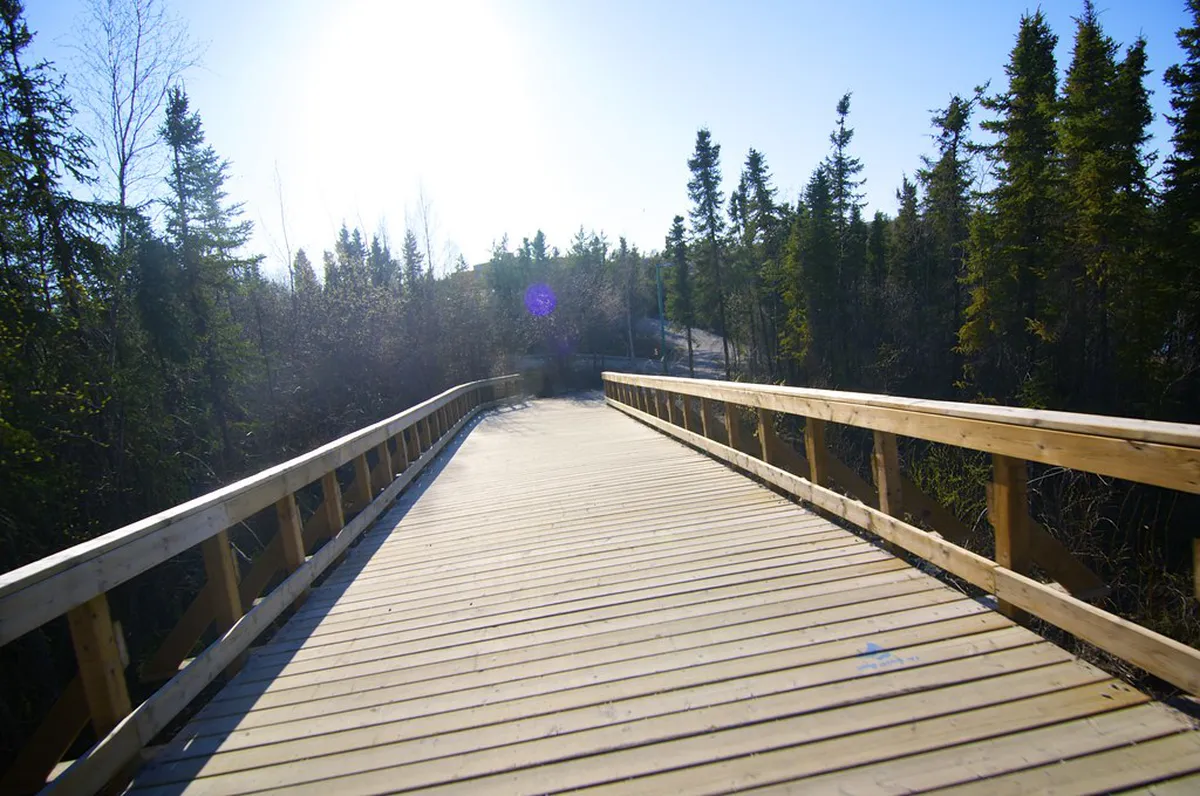
The dunes are home to hardy plants that bloom with bright colors in the spring. Please stay on the wooden walkways to protect the fragile coastal ecosystem from damage. These paths are well-maintained and offer several access points to the water. Bring plenty of water as there is little shade on the open beach trails.
Nature Reserve Trails Near the Ruins
The area surrounding the ruins is part of a protected botanical reserve with diverse wildlife. You can follow the Troia Peninsula nature reserve walking guide 2026 for the best routes. These trails wind through fragrant pine forests and coastal scrubland filled with aromatic herbs. It is a quiet place where you can hear local birds singing.
Bird watchers will find many interesting species in the marshes near the Roman site. You might see flamingos or herons feeding in the shallow waters of the Sado estuary. The trails are marked with wooden posts to help you stay on the right path. Spring is the best time to see the wildflowers in full bloom.
The air here is incredibly clean and filled with the scent of pine and sea salt. Walking through the forest provides a cool break from the hot Portuguese sun. These trails are less crowded than the main beach areas near the ferry dock. It is a great way to experience the wild side of the peninsula.
Daily Itinerary for Your Troia Trip
💡 Pro Tip: Book your Lisbon adventures in advance through Viator for the best deals!
Start your day early by catching the boat from the Setúbal ferry terminal. You should check how to take ferry for Troia walks before you leave home. The boat ride takes about fifteen minutes and offers great views of the Arrábida mountains. Once you arrive, head straight to the Roman ruins to beat the midday heat.
Spend your morning exploring the archaeological site and the riverfront walking trails. Have a picnic lunch near the ruins or visit a local cafe in the marina. In the afternoon, walk toward the Atlantic beach for a long trek on the sand. This balanced schedule allows you to see the best of both history and nature.
Finish your afternoon by walking back toward the ferry dock as the sun begins to set. The light on the water creates a magical atmosphere for your final photos. You can find several restaurants near the marina for a fresh seafood dinner. Make sure to check the return ferry schedule so you do not miss the last boat.
Frequently Asked Questions
How long are the walking trails near the Roman ruins?
The primary walking trails near Troia Roman ruins site range from two to five kilometers long. Most visitors spend about ninety minutes exploring the historical paths. You can extend your walk by connecting to the beach trails for a full day of hiking.
Can I see dolphins while walking on the Troia Peninsula?
Yes, you can often see the resident bottlenose dolphins from the riverfront walking paths. You should look for wildlife spotting on Troia Peninsula nature walks tips to increase your chances. They are most active in the Sado estuary during the early morning hours.
Are the trails near the ruins suitable for children?
The trails are very suitable for children because they are flat and easy to walk. Kids will enjoy exploring the ancient tanks and seeing the different types of ruins. The nearby beach paths also provide plenty of space for children to run and play safely.
Walking near the Troia Roman ruins is a highlight for any traveler visiting Setúbal in 2026. You will enjoy a perfect mix of ancient culture, coastal scenery, and peaceful nature trails. Plan your visit today to experience the unique beauty of the Troia Peninsula on foot. These trails offer a memorable way to connect with the rich history of Portugal.