
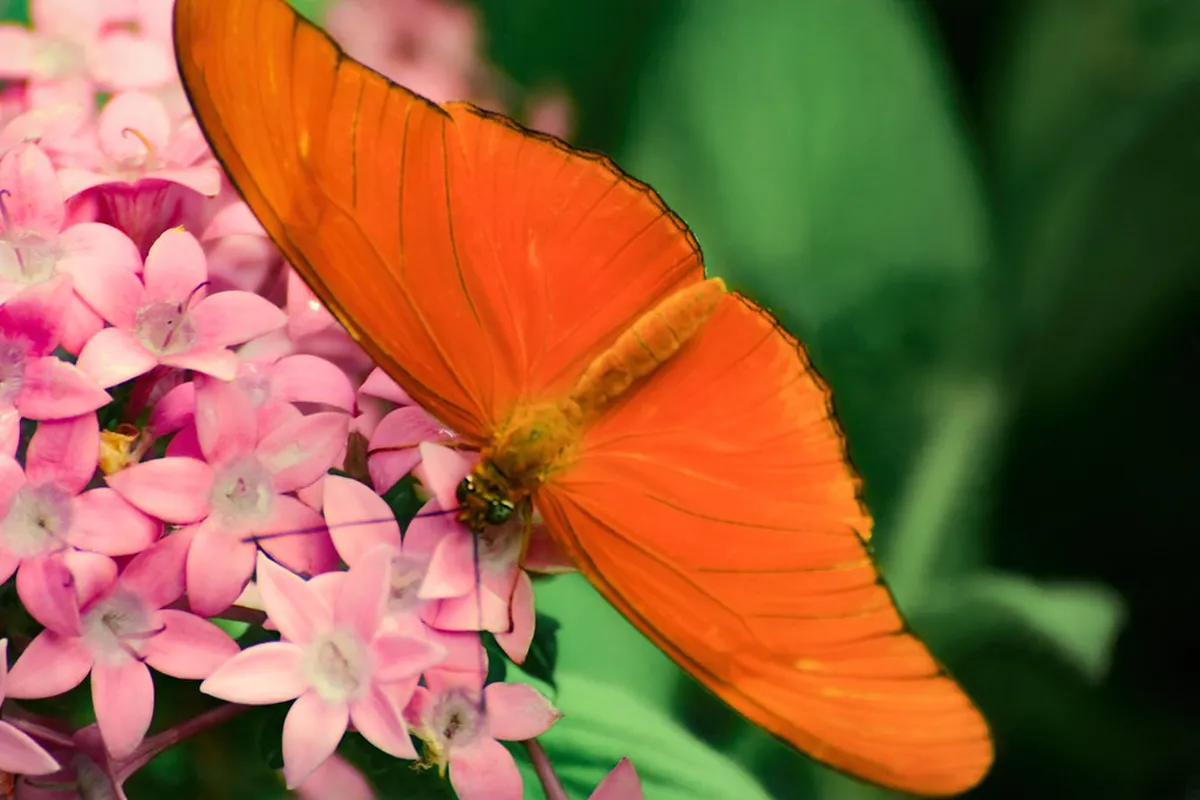
Explore Flora and Fauna on Gornergrat Walking Trails
Zermatt offers some of the most stunning nature experiences in the Swiss Alps. You will find incredible flora and fauna on Gornergrat walking trails during your 2026 visit. The high-altitude environment supports a wide variety of unique plant and animal species. This guide helps you identify the natural wonders found along these famous Gornergrat hiking routes and walks.
Alpine Flowers Along Gornergrat Paths
The high-altitude environment creates a special home for many rare alpine plants. These unique species have adapted to survive very cold winters and short summers. You will find vibrant colors across the mountain meadows during your 2026 trip. These beautiful blooms are essential for the local insect population to thrive well.
The famous Edelweiss is the star of the Swiss Alps for many hikers. This white, woolly flower grows in rocky areas at very high elevations. You can often spot them along the steeper sections of the walking paths. Please remember that picking these rare flowers is strictly forbidden in Switzerland.
Gentians provide a striking blue color to the landscape during the summer months. These trumpet-shaped flowers prefer the moist soil found near melting snow patches. They usually bloom from late June through August on the Gornergrat slopes. Their bright color helps attract pollinators in the thin mountain air easily.
Alpine roses add a splash of pink to the lower forest sections. You will see these hardy shrubs near Riffelalp and the Sunnegga area. They typically bloom in early July, creating a wonderful scent for all hikers. These bushes provide important cover for small birds and mammals in Zermatt.
Wildlife Encounters on the High Trails
The mountains around Zermatt are home to impressive mammals like the Alpine Ibex. These large goats are famous for their massive, curved horns and climbing skills. You might see them standing on steep cliffs near the Gornergrat summit station. They are most active during the early morning or late evening hours.
Chamois are another common sight for those enjoying scenic walks in Zermatt 2026. These agile animals look like a mix between a goat and an antelope. They move quickly across the rocky terrain and are very shy of humans. Bring a pair of binoculars to see them from a safe distance.
Marmots are the most entertaining animals you will meet on the mountain trails. These large ground squirrels live in colonies and make loud whistling sounds. You can find them sunbathing on flat rocks near the Riffelberg station area. They spend the summer eating grass to prepare for their long winter sleep.
- Ibex: Look for them on rocky outcrops above 2,500 meters.
- Chamois: Often found in the grassy meadows below the glacier line.
- Marmots: Listen for their high-pitched whistles near the hiking paths.
- Red Deer: Occasionally seen in the pine forests at lower altitudes.
Birdlife in the Zermatt Mountains
Birdwatchers will find plenty to see while exploring the high-altitude Gornergrat region. The Spotted Nutcracker is a common bird found in the Swiss pine forests. These birds are known for burying seeds to eat during the winter months. Their loud calls often echo through the trees as you hike uphill.
Golden Eagles are the kings of the sky above the Matterhorn and Gornergrat. These massive birds of prey hunt for small mammals across the open slopes. You might see them soaring on thermal currents high above the walking trails. Watching them glide effortlessly is a highlight of any trip to Zermatt.
Alpine Choughs are frequent visitors to the viewing platforms at the Gornergrat summit. These black birds have bright yellow beaks and very impressive flying skills. They often perform acrobatic stunts in the wind to entertain the passing tourists. Please follow high altitude walking tips for Gornergrat Zermatt and avoid feeding them.
Best Seasons for Nature Sightings
🌟 Local Expert Tip: Get the most out of your Zermatt visit with guided tours!
Timing your visit is crucial for seeing the best flora and fauna. June and July are the peak months for seeing colorful alpine flowers. The snow melts away to reveal a carpet of blossoms across the mountains. This is also when young animals are most active near the trails.
August offers the best chance to see marmots before they begin their hibernation. The weather is usually stable, making it easier to spot wildlife from afar. You can enjoy long days of hiking on the walking down from Gornergrat to Riffelberg trail. The animals are very busy gathering food during this warm summer month.
September brings beautiful golden colors to the larch trees in the lower valleys. The air becomes crisp and clear, providing excellent visibility for birdwatching activities. Many animals move to lower elevations as the first autumn snow begins falling. This is a peaceful time to enjoy the natural beauty of Zermatt.
Protecting the Gornergrat Ecosystem
The alpine environment is very fragile and requires careful protection from all visitors. Always stay on the marked trails to avoid trampling rare plant species. Walking off-path can damage the thin soil that takes years to recover. Respecting the boundaries helps keep the flora and fauna healthy for everyone.
Never feed the wildlife you encounter while walking on the Gornergrat trails. Human food can make animals sick and change their natural survival behaviors. Keep your distance and use a zoom lens for taking close-up photos safely. This ensures that the animals remain wild and unafraid of their environment.
Take all your trash back to the village for proper disposal later. Even small items like fruit peels can harm the local ecosystem and wildlife. By following these simple rules, you help preserve the beauty of Zermatt for 2026. Future generations will thank you for protecting this incredible mountain paradise today.
Frequently Asked Questions
What is the best month to see flowers on Gornergrat?
July is the best month to see the widest variety of alpine flowers. The snow has usually melted, allowing species like Edelweiss and Gentians to bloom fully. You will find the most vibrant colors in the meadows during this peak summer period.
Can I see marmots near the Gornergrat railway stations?
Yes, marmots are very common near the Riffelberg and Rotenboden railway stations. Look for them in the rocky areas just off the main walking paths. They are most active during sunny days when they come out to sunbathe and eat.
Are there any dangerous animals on the Gornergrat trails?
There are no dangerous animals like bears or wolves in the Gornergrat area. The Ibex and Chamois are wild animals but will generally avoid contact with humans. Always keep a respectful distance to ensure both your safety and the animal's comfort.
Exploring the flora and fauna on Gornergrat walking trails is a rewarding experience. You will discover a world of rare plants and majestic animals in 2026. Remember to hike responsibly and protect the delicate alpine environment during your visit. Book your Zermatt adventure today to see these natural wonders for yourself.