
Gornergrat to Zermatt Hike Difficulty and Time Guide
The Gornergrat to Zermatt hike offers some of the best views in Switzerland. You will see the Matterhorn from many different angles along this famous path. Understanding the Gornergrat to Zermatt hike difficulty and time helps you plan a safe trip. This guide covers everything you need for your 2026 alpine adventure in scenic Zermatt.
Evaluating the Hike Difficulty
The Gornergrat to Zermatt hike is generally rated as moderate to difficult. This rating is mainly due to the long downhill descent. You will drop over 1,400 meters in elevation from start to finish. This constant downward movement can be very taxing on your knees and ankles.
The terrain consists of high-alpine paths that are often rocky and uneven. You will encounter loose gravel and steep sections near the top. As you descend, the paths become smoother and more forested. It is essential to wear sturdy hiking boots with excellent grip and support.
The trail is very well-marked with standard Swiss hiking signs. You will see yellow and white markers at every major junction. These signs help you stay on the correct Gornergrat hiking routes and walks. Following these markers ensures you do not wander into dangerous areas.
Weather can change quickly in the Swiss Alps even during the summer. Fog or rain can make the rocks slippery and reduce visibility. Always check the local mountain forecast before you leave Zermatt. High-altitude hiking requires careful preparation for all weather conditions.
Estimating Your Total Hiking Time
Most hikers take between 5 and 6 hours to complete the journey. This estimate includes time for short breaks and photos. The total distance of the trail is approximately 12 kilometers. Your personal fitness level will greatly influence your final time.
If you enjoy photography, you should allow for extra time. The views of the Gorner Glacier and the Matterhorn are world-class. Many people spend 30 minutes just at the Riffelsee lake. Plan for a full day on the mountain to avoid rushing.
The descent from the summit to Riffelberg is the most technical part. This section usually takes about 1.5 to 2 hours. You can find more details on the walking down from Gornergrat to Riffelberg trail guide. Rushing this section increases the risk of trips or falls.
The lower sections through Riffelalp and into Zermatt are faster. The paths are wider and the gradient is much gentler here. You will walk through beautiful pine forests as you approach the village. Keep a steady pace to finish before the sun sets behind the peaks.
Key Trail Sections and Landmarks
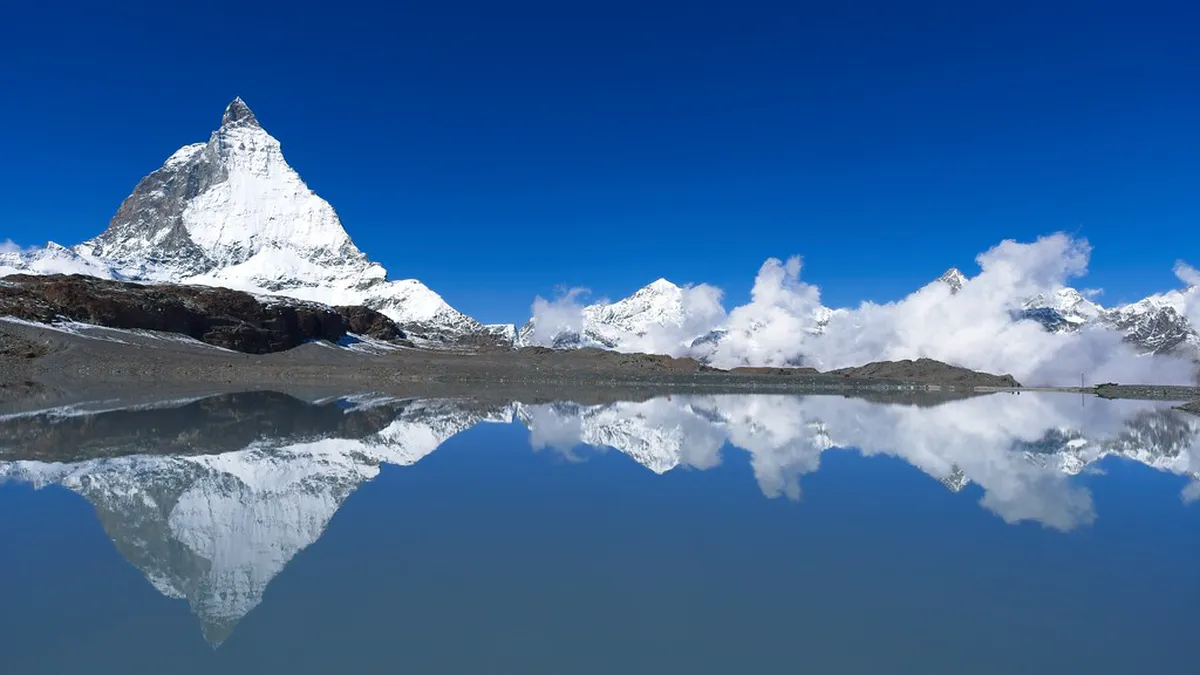
The hike starts at the Gornergrat station at 3,089 meters. You immediately face a dramatic view of the surrounding glaciers. The first section leads you down toward the famous Riffelsee lake. This is where you can see the Matterhorn reflected in the water.
After the lake, you will reach the Riffelberg plateau. This area offers several restaurants and a train station stop. It is a great place to rest your legs and have a snack. You can also refill your water bottles at local facilities here.
- Riffelsee: Famous for its mirror-like reflections of the Matterhorn.
- Riffelberg: A central hub with food and easy train access.
- Riffelalp: A forested area with luxury hotels and scenic views.
- Winkelmatten: The charming neighborhood where you enter Zermatt village.
The final part of the hike takes you through lush meadows. You will see local Valais Blacknose sheep grazing during the summer months. The sound of cowbells fills the air as you descend. This peaceful section is a highlight for many international travelers.
Practical Tips for a Safe Journey
💡 Pro Tip: Book your Zermatt adventures in advance through Viator for the best deals!
Preparation is the key to enjoying this long mountain descent. Always carry at least two liters of water per person. High altitudes can lead to dehydration faster than you might expect. Pack high-energy snacks like nuts, chocolate, or dried fruit for fuel.
Hiking poles are highly recommended for the Gornergrat to Zermatt route. They help reduce the impact on your joints during the descent. Poles also provide better balance on the rocky and loose gravel sections. Many local shops in Zermatt offer pole rentals for the day.
Dress in layers to manage the changing mountain temperatures. It can be freezing at the summit even in July. You will warm up quickly as you walk down into the valley. A waterproof jacket is essential in case of sudden alpine rain showers.
Know your limits and use the railway if you feel tired. The Gornergrat train stops at several points along the hiking trail. You can always hop on the train at Riffelberg or Riffelalp. Safety should always be your top priority when hiking in Switzerland.
Frequently Asked Questions
Is the hike from Gornergrat to Zermatt suitable for beginners?
The hike is challenging for beginners due to the long 1,400-meter descent. It requires good physical fitness and steady balance on rocky paths. Beginners should consider walking only the shorter sections between train stations. Using the railway helps manage the overall difficulty levels.
What is the best time of year to attempt this hike?
The best time is from late June to early October. Snow often blocks the upper trails until mid-June in the Swiss Alps. During 2026, check the local trail status before starting your journey. Summer offers the most stable weather and clear views of the Matterhorn.
How do I get to the starting point of the hike?
You must take the Gornergrat railway from Zermatt to the summit. The train ride takes about 33 minutes and offers spectacular views. You should learn how to buy Gornergrat hiking train tickets in advance. This saves time at the station during busy morning hours.
The Gornergrat to Zermatt hike is a rewarding challenge for any mountain lover. By understanding the Gornergrat to Zermatt hike difficulty and time, you ensure a better experience. Pack your gear, check the weather, and enjoy the incredible Swiss scenery. Start planning your 2026 trip to Zermatt today for an unforgettable adventure.