
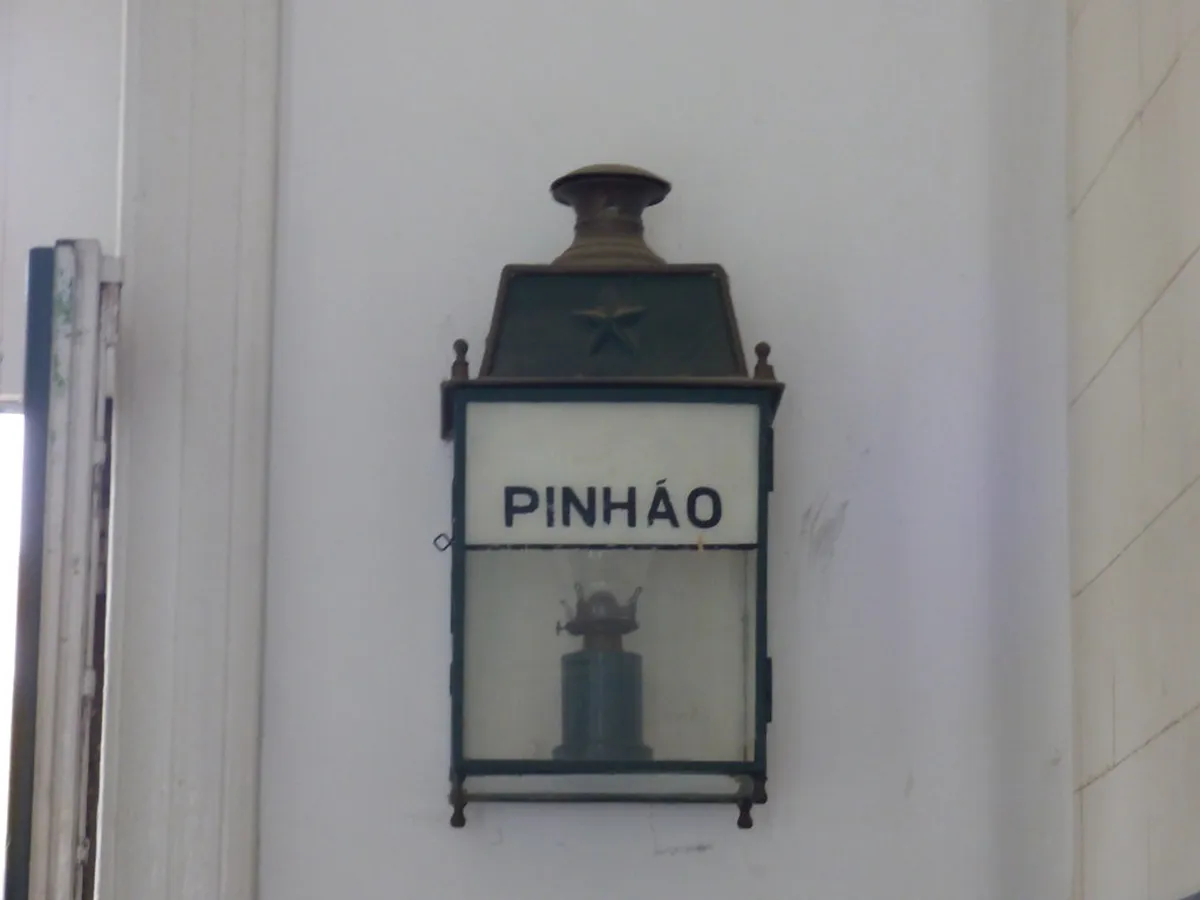
Pinhão Station Walking Route for History Buffs Guide
The Pinhão station walking route for history buffs begins right at the main train platform. This iconic station serves as a living museum for the famous Douro Valley wine region. Visitors can explore the rich heritage of Portugal through stunning blue and white tile panels. The route is perfect for those who love art, history, and beautiful river landscapes.
Explore the Pinhão Station Walking Route for History Buffs
The Pinhão station walking route for history buffs offers a deep dive into the local wine culture. This station was built in the nineteenth century to support the growing port wine industry. It remains one of the most beautiful train stops in the entire country of Portugal. You can start your journey by examining the classic granite architecture of the main station building.
The walking path leads you along the tracks where old steam engines once traveled frequently. You will feel the history of the Douro Valley with every step you take today. Many history buffs enjoy the quiet atmosphere of the station during the early morning hours. This is the best time to see the station without many modern tourists around.
Walking through the station area allows you to see the original nineteenth-century ironwork details. These structures were designed to withstand the heavy transport of wine barrels to the coast. You can follow the Pinhão historical station walking tour to find all the hidden architectural gems. The station serves as the perfect gateway to the rest of this historic village.
Take a moment to look at the old luggage scales and vintage railway equipment. These items are still preserved to give visitors a glimpse into the past. The station building itself is a masterpiece of traditional Portuguese design and functional engineering. It stands as a proud symbol of the regional economic boom during the Victorian era.
Discover the Iconic Azulejo Tile Panels
You will find twenty-four beautiful tile panels decorating the exterior walls of the main building. These artworks were created by the famous artist J. Oliveira in the year nineteen thirty-seven. Each panel depicts a different stage of the traditional grape harvest in the Douro Valley. History buffs will appreciate the detailed accuracy of the clothing and tools shown.
The tiles use the classic blue and white style known as azulejos across Portugal. They show scenes of workers treading grapes in large stone tanks called lagares. You can learn about the history of azulejo tiles at Pinhão station by observing each panel closely. The artwork captures the soul of the river and the hard work of the people.
One specific panel shows the traditional rabelo boats carrying wine barrels down the Douro River. These boats were the only way to transport port wine before the railway was built. Seeing these scenes helps you understand the massive impact the train had on the region. The tiles serve as a visual textbook for the social history of northern Portugal.
The panels are located on the track-side wall of the station for easy public viewing. You do not need a train ticket to walk along the platform and see them. This makes the station an accessible outdoor gallery for every visitor to enjoy for free. Spend at least thirty minutes studying the intricate details of these historical tile masterpieces.
Landmarks Near the Historical Pinhão Station
After exploring the tiles, continue your walk toward the famous iron bridge near the station. This bridge was designed by a student of Gustave Eiffel in the late nineteenth century. It provides a stunning view of the river and the surrounding terraced vineyards. The bridge is a vital part of the Pinhão station walking route for history buffs.
Walk toward the town center to find the old wine warehouses that line the riverbank. These buildings have stored thousands of barrels of port wine over the last two centuries. You can join a walking tour of Pinhão town center landmarks to see more historical sites. Many of these warehouses still feature original stone walls and wooden roof beams.
The village church is another important stop for those interested in local religious history. It features modest but beautiful decorations that reflect the simple life of the river workers. You will find small plaques throughout the town explaining the significance of different historical buildings. These markers provide excellent context for your self-guided walk through the village streets.
The riverfront area was once a bustling port for the entire Douro wine region. Today, it is a peaceful place to walk and imagine the busy past. You can see the remains of old stone piers where the rabelo boats once docked. This area connects the railway history directly to the ancient river trade traditions.
Best Times for Your 2026 Historical Walk
💡 Pro Tip: Book your Lisbon adventures in advance through Viator for the best deals!
Planning your visit for 2026 requires looking at the seasonal weather in the Douro Valley. Spring and autumn offer the most comfortable temperatures for a long historical walking tour. The months of May and September are particularly beautiful as the vineyards change colors. You will find the light is perfect for photography during these transitional seasons.
To avoid the largest crowds, try to arrive at the station before ten in the morning. Many tour groups arrive by boat or bus later in the afternoon hours. You should check the best time to photograph Pinhão train station murals for the clearest shots. Morning light hits the tiles directly and brings out the vibrant blue colors.
The winter months are very quiet but can be quite chilly near the river. However, history buffs might enjoy the solitude of the station during the off-peak season. You can explore the platforms without any distractions from other tourists or busy commuters. Just be sure to wear warm layers as the valley winds can be strong.
Summer brings high heat to the valley, often exceeding thirty-five degrees Celsius in July. If you visit in summer, do your walking tour very early or late. The station building provides some shade, but the platforms are mostly open to the sun. Always carry water and wear a hat while exploring the historical route in 2026.
Frequently Asked Questions
Is there a fee to see the Pinhão station tiles?
No, there is no fee to view the historical tiles at Pinhão station. The panels are located on the exterior walls of the public train platform. You can walk through the station area freely to enjoy the artwork and take photos at any time.
How long does the Pinhão station walking route take?
A thorough walk through the station and nearby historical landmarks takes about one hour. This allows enough time to study the twenty-four tile panels and visit the iron bridge. You may want extra time if you plan to visit a nearby wine warehouse.
Are the historical tiles at Pinhão station original?
Yes, the tile panels are the original works created by artist J. Oliveira in 1937. They have been carefully preserved to maintain their historical integrity and vibrant blue color. They remain one of the most authentic examples of regional art in the Douro Valley today.
The Pinhão station walking route for history buffs is a must-see Portuguese experience. You will gain a deep appreciation for the traditions of the Douro Valley wine region. Plan your visit for 2026 to see these incredible historical landmarks in person. Start your journey today by booking a train to this beautiful riverside village.